- Financial markets and economists unanimously expected the Reserve Bank of Australia (RBA) to announce its fifth rate hike in this cycle, and they did.
- The three dissenting RBA members likely agreed that inflation is still too high, but they argued that further rate increases risk leaving the economy too weak.
- The RBA's message is that there will be no more mollycoddling, and Australians must take bitter medicine until recovery.
- Economic growth is projected to slow from 1.6% this financial year to 1.3% over 2027-28, with unemployment expected to reach 5.1% by 2028.
- Business investment forecasts have been strongly upgraded, largely due to datacentre buildouts, attracting construction workers and tradies with wages comparable to the residential sector.
The Reserve Bank of Australia (RBA) has raised interest rates to an 18-year high, marking its fifth increase in the current cycle. This decision has led to a split among board members, with some expressing concerns over the potential negative impacts on the economy.1
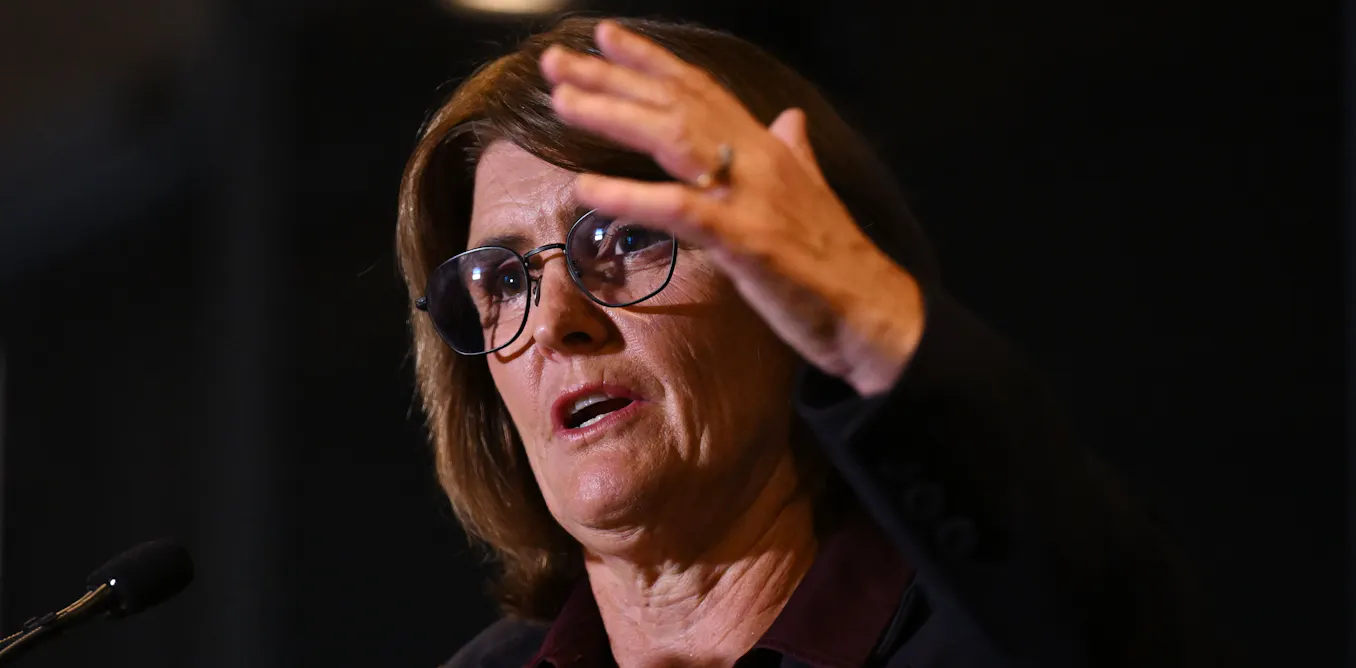
The dissenting members acknowledged that while inflation remains too high, the risks associated with further rate hikes could exacerbate economic weaknesses. Governor's press conference emphasized the need for decisive action, stating, "we will take our medicine until we recover, and it’s bitter medicine indeed."4
Economic forecasts indicate a slowdown in growth, with projections dropping from 1.6% this financial year to 1.3% by 2027-28. Additionally, unemployment is expected to rise to 5.1% by 2028, reflecting the broader economic challenges Australians will face.56
The RBA's decision comes amid discussions about the impact of business investment in sectors like datacentres, which have been buoyed by demand but could also contribute to inflationary pressures. Analysts warn that cutting government spending significantly could risk tipping the economy into recession, highlighting the delicate balance policymakers must navigate in these turbulent times.78
“The RBA's three dissenters argued that further increases risk leaving the economy too weak, even as growth forecasts were cut to 1.3% by 2027-28 and unemployment is expected to hit 5.1% by 2028. Business investment forecasts were upgraded, driven by datacentre buildouts that are luring construction workers with residential-sector wages.”
 The Guardian