
- Researchers from Michigan State University and the Czech Academy of Sciences have uncovered a method to reproduce part of the complex chemical process in wolfsbane and larkspur, which could lead to new medicines for pain, malaria, and cancer.
- The study identified a method to reproduce part of the plants' complex chemical process in the laboratory, as published in the journal Molecular Plant.
- The researchers examined thousands of genes in wolfsbane and larkspur to identify those involved in producing toxic compounds.
- After identifying key genes, the researchers inserted them into tobacco plants, which acted as living biofactories.
- The modified tobacco plants successfully produced atisinium using six different enzymes.
- Researchers stated that this work is an important first step toward understanding how these complex compounds are made.
- Aconitine, one of the best-known compounds in this group, was first isolated nearly 200 years ago, but scientists have still been unable to fully produce it in a laboratory.
- The research focused on a group of toxic compounds known as diterpenoid alkaloids, which are found in wolfsbane and larkspur.
- Understanding the genetic instructions behind production could allow researchers to transfer those instructions into engineered organisms or plant systems that produce larger quantities under controlled conditions.
Researchers have discovered that wolfsbane and larkspur, known for their toxicity, may hold the key to new medical treatments. The study, published in Molecular Plant, reveals a method to reproduce the plants' complex chemical processes in the lab, potentially leading to breakthroughs in pain, malaria, and cancer therapies.123
The research team, comprising scientists from Michigan State University and the Czech Academy of Sciences, focused on diterpenoid alkaloids, toxic compounds found in these plants. They identified six enzymes involved in producing atisinium, a member of this compound family, marking a significant step in understanding how these complex molecules are synthesized.469
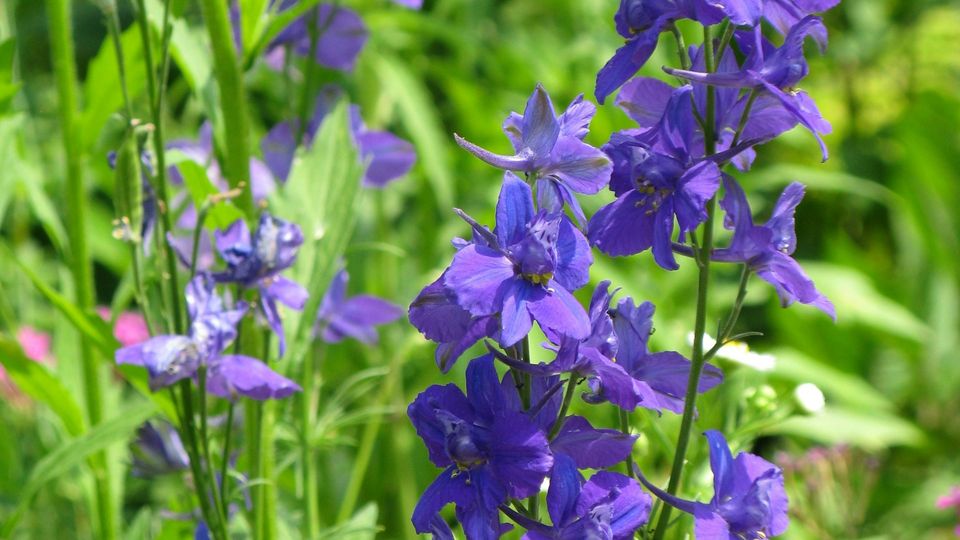
“These plants have been used in different forms of medicine throughout the world for thousands of years,” said Garret Miller, a former MSU researcher. He emphasized that understanding the production of these compounds could open new avenues for drug development.
The researchers successfully transferred genetic instructions from wolfsbane and larkspur into tobacco plants, which acted as living biofactories. This innovative approach allowed them to recreate the chemical pathway necessary for atisinium production, incorporating nitrogen in a way that was previously unexpected.5
While this discovery does not mean a new drug is ready for patients, it lays a crucial foundation for future research. The potential applications of these findings could lead to safer and more effective treatments for various medical conditions, demonstrating how dangerous natural substances can inspire promising medical research.
“The team inserted key genes from the flowers into tobacco plants, which acted as living biofactories and produced atisinium using six enzymes. Garret Miller, a former MSU researcher now at the University of Michigan-Flint, noted these plants have been used in medicine for thousands of years.”




