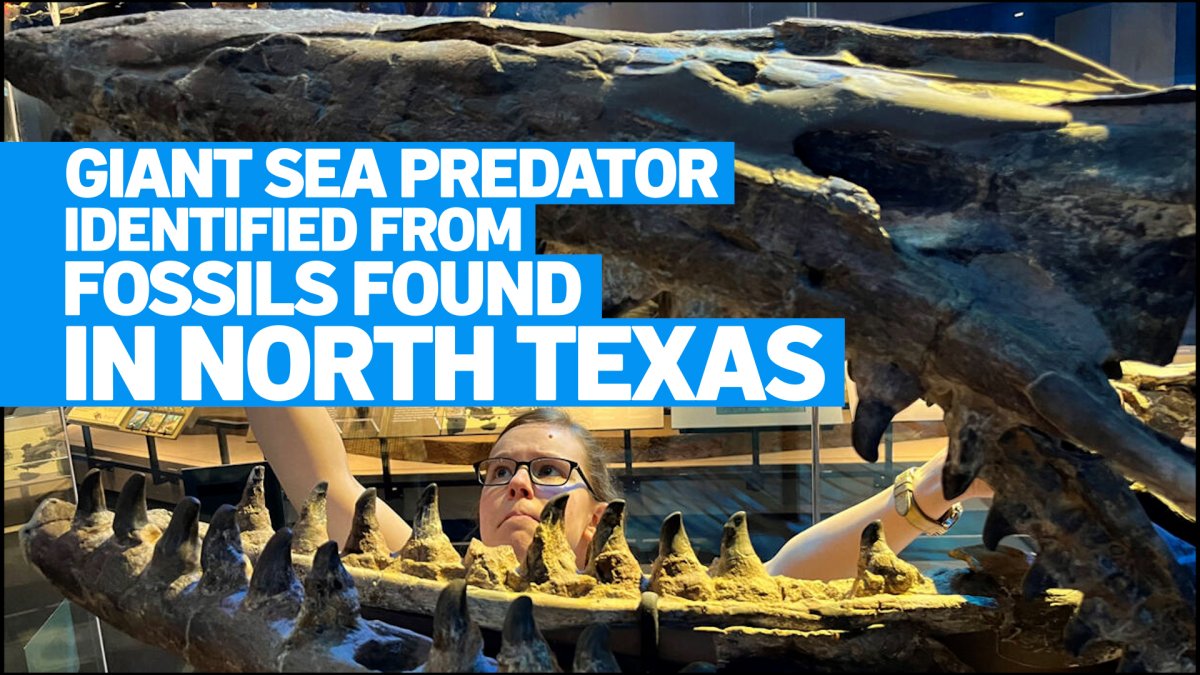
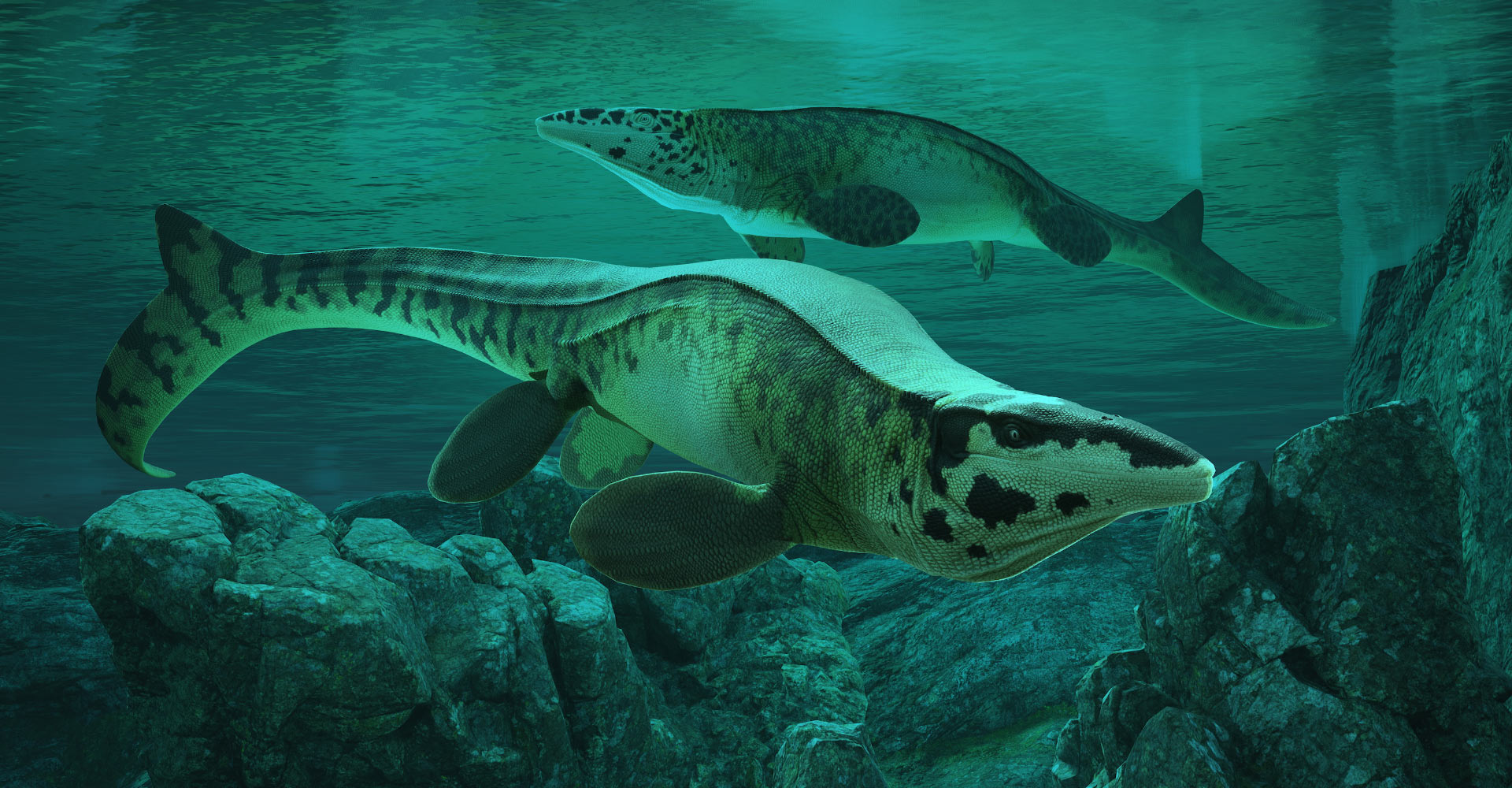
Researchers have unveiled Tylosaurus rex, an ancient marine predator that reigned over the seas of Texas approximately
80 million years ago. This species, a major addition to the mosasaur family, measures up to
43 feet in length—around the size of a humpback whale
Originally classified as Tylosaurus proriger, T. rex is distinguished by its
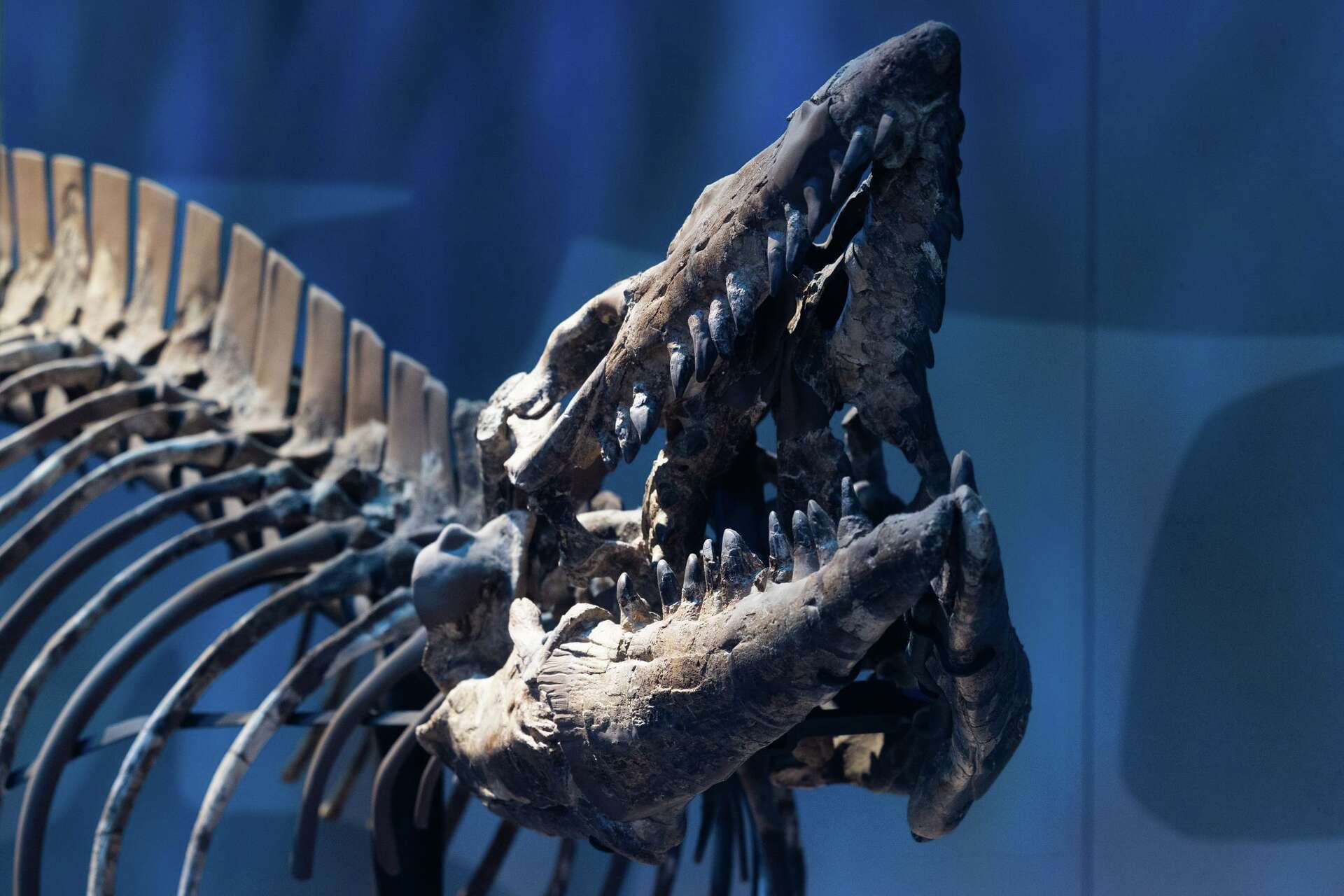
serrated, knife-like teeth,
strong musculature, and evidence of
aggressive behavior. Researchers found signs of violence among T. rex specimens, indicating that conflicts occurred even within their species, leading to notable injuries. Some fossils show damage likely inflicted by fellow T. rex members, revealing an intricate social dynamic. “It’s evidence of really energetic, violent interactions between members of the same species,” said paleontologist Tykoski. The name, translating to “king of the Tylosaurs”, highlights its apex predatory status among ancient marine reptiles
This discovery was spearheaded by researchers from the
Perot Museum,
Southern Methodist University (SMU), and the
American Museum of Natural History. The holotype specimen, discovered in 1979 by a family near Lake Ray Hubbard, is now on display at the Perot Museum. The research indicates that Texas is a pivotal region for understanding ancient marine ecosystems and the evolutionary history of mosasaurs, reshaping their narrative in the grand scheme of prehistoric life
“If any animal deserves it, it's this animal,” remarked a paleontologist involved in the study, emphasizing the significance of T. rex in the fossil record and its implications for future paleontological work.
Sources: 

Researchers have identified Tylosaurus rex, a new species of ancient marine predator that lived 80 million years ago. This mosasaur, measuring up to 45 feet long, showcases serrated teeth and evidence of aggressive behavior, enhancing understanding of these prehistoric reptiles alongside dinosaurs.