Sources: 

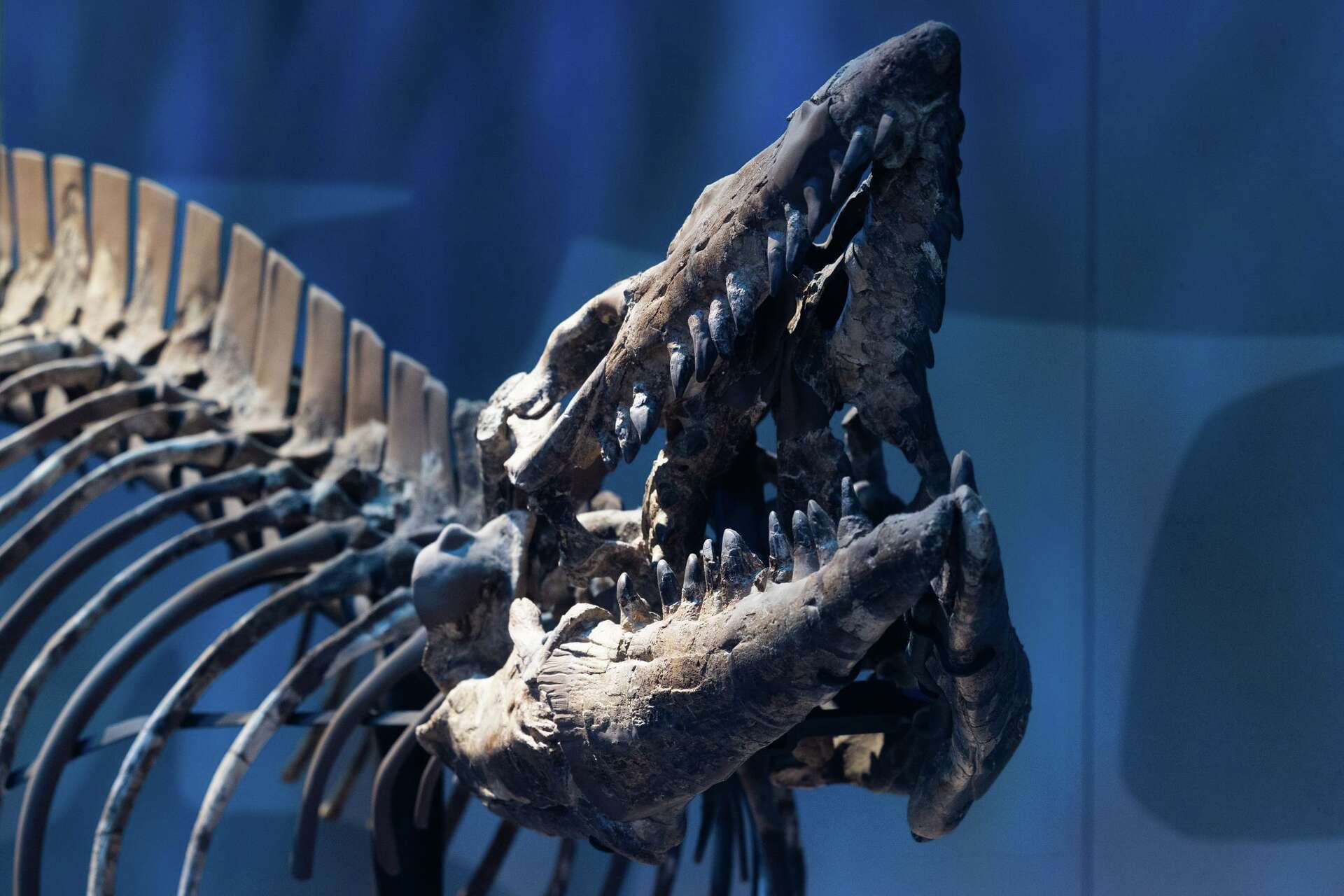
Tylosaurus rex, dubbed the "T. rex of the sea," has been identified by researchers in Texas as a significant addition to Cretaceous marine life. Ranging approximately
13.2 meters (43 feet) in length, it showcases unique features such as serrated teeth and strong musculature.
Originally misclassified as
Tylosaurus proriger, T. rex was found in 1979 by a family on Lake Ray Hubbard. Its identification relied heavily on collaborative efforts from citizen scientists and paleontologists, who examined fossil records across North Texas, noted Barry Albright, a key researcher.
“We couldn’t do this without the citizen scientists that actually are out there walking the outcrops every day,” said Tony Polcyn. The discovery promises to enhance understanding of the diversity of ancient sea predators, as
Texas offers the most complete record of mosasaur evolution worldwide, according to Tykoski.
Prior specimens misattributed to other species have been correctly identified as T. rex. Notably, two major members of this group, named Bunker and Sophie, are now recognized as T. rex, highlighting the species' evolution context. Researchers suggest that T. rex exhibited aggression previously unseen in its relatives, indicating a violent nature within this majestic species.
“Through our study and examination of well-preserved fossils collected throughout the north Texas region, we have evidence of violence within this species to a degree not previously seen in other Tylosaurus specimens,” said the research team.
Sources: Researchers at Southern Methodist University and the Perot Museum have identified a new Cretaceous predator, Tylosaurus rex, a 13.2-meter-long marine lizard. This species adds valuable insight into mosasaur diversity alongside dinosaurs, previously misclassified as Tylosaurus proriger, based on unique skeletal features and fossil evidence.