Sources: 
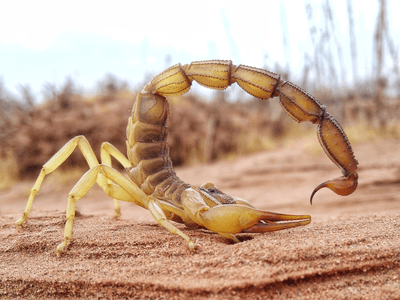
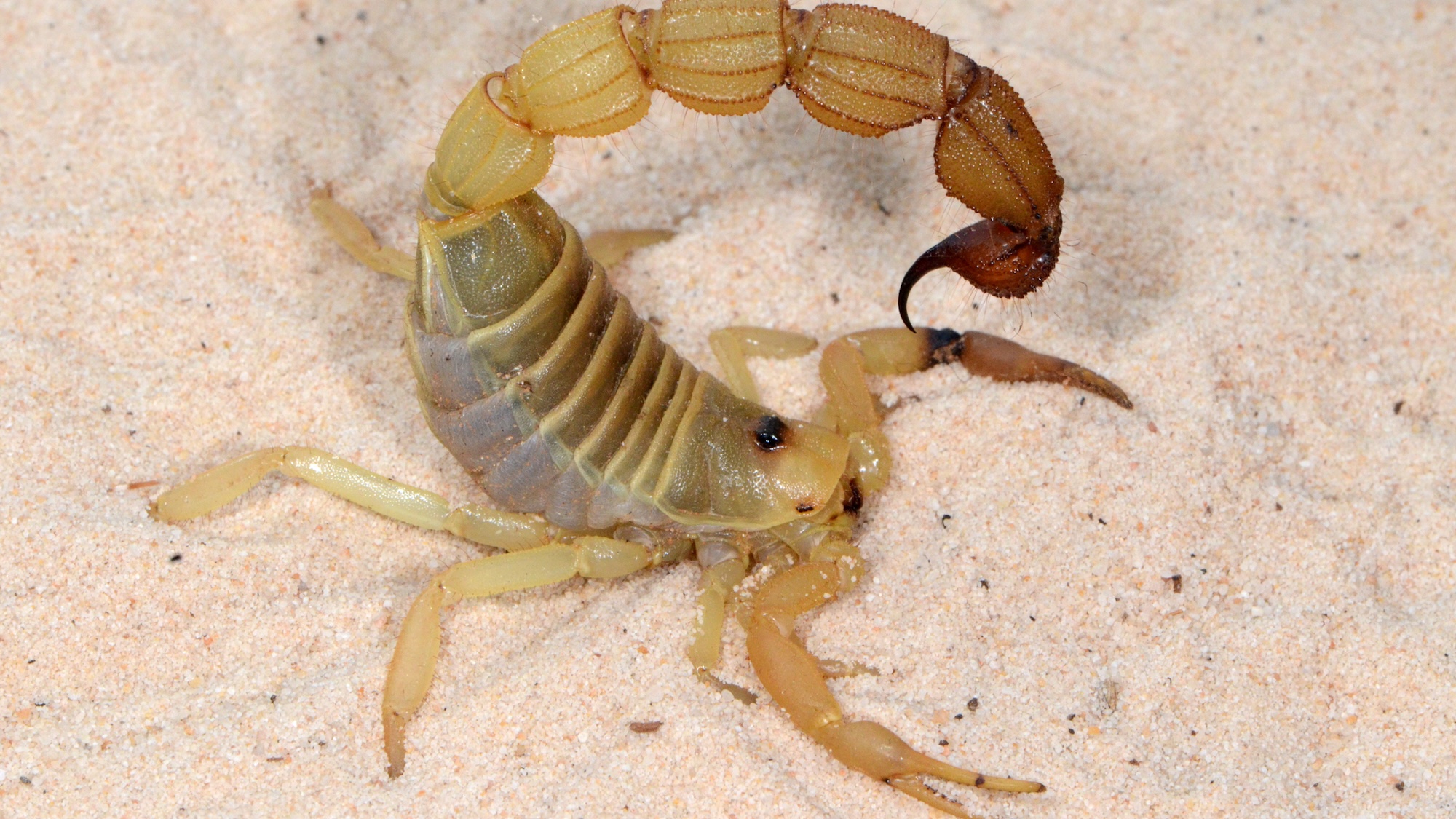
New research indicates that millions of years of evolution have led to the adaptation of scorpions' stingers and pincers, integrating metals like
zinc and manganese crucial for their predatory success. The study, conducted by researchers at the National Museum of Natural History, analyzed 18 scorpion species, revealing significant findings about the composition and function of these fascinating creatures' weaponry.
The researchers identified that stingers had high concentrations of
zinc, crucial for piercing victims’ skin, while pincers displayed a mix of
zinc and iron, particularly along the cutting edges. Interestingly,
Sam Campbell, the study's lead author, noted a surprising finding: “The more zinc a scorpion had in its tail or pincers, the less it had in the other,” highlighting an
evolutionary trade-off.
The study challenges earlier assumptions, indicating that scorpions with stronger, crushing pincers had less zinc than expected. “This points to a role for zinc beyond hardness,” Campbell stated, suggesting that it may help with durability in these predatory tools. This evolutionary adaptation underscores how scorpions have utilized metal enrichment to diversify their hunting tactics and survival strategies over millions of years.
Thanks to high-resolution electron microscopy and X-ray analysis, the intricate metallurgy of scorpions was explored, revealing a fascinating history of adaptation long before humans recognized the utility of metals in weaponry.
The findings provide a deeper understanding of the ecological role and evolutionary pressures that shape the biology of these ancient arthropods.
Sources: New research reveals that scorpions have evolved their stingers and pincers to incorporate metals like zinc and manganese, crucial for predatory success. The study indicates an evolutionary trade-off, as higher zinc concentrations enhance hunting tools, while lower levels are found in species with stronger crushing pincers.