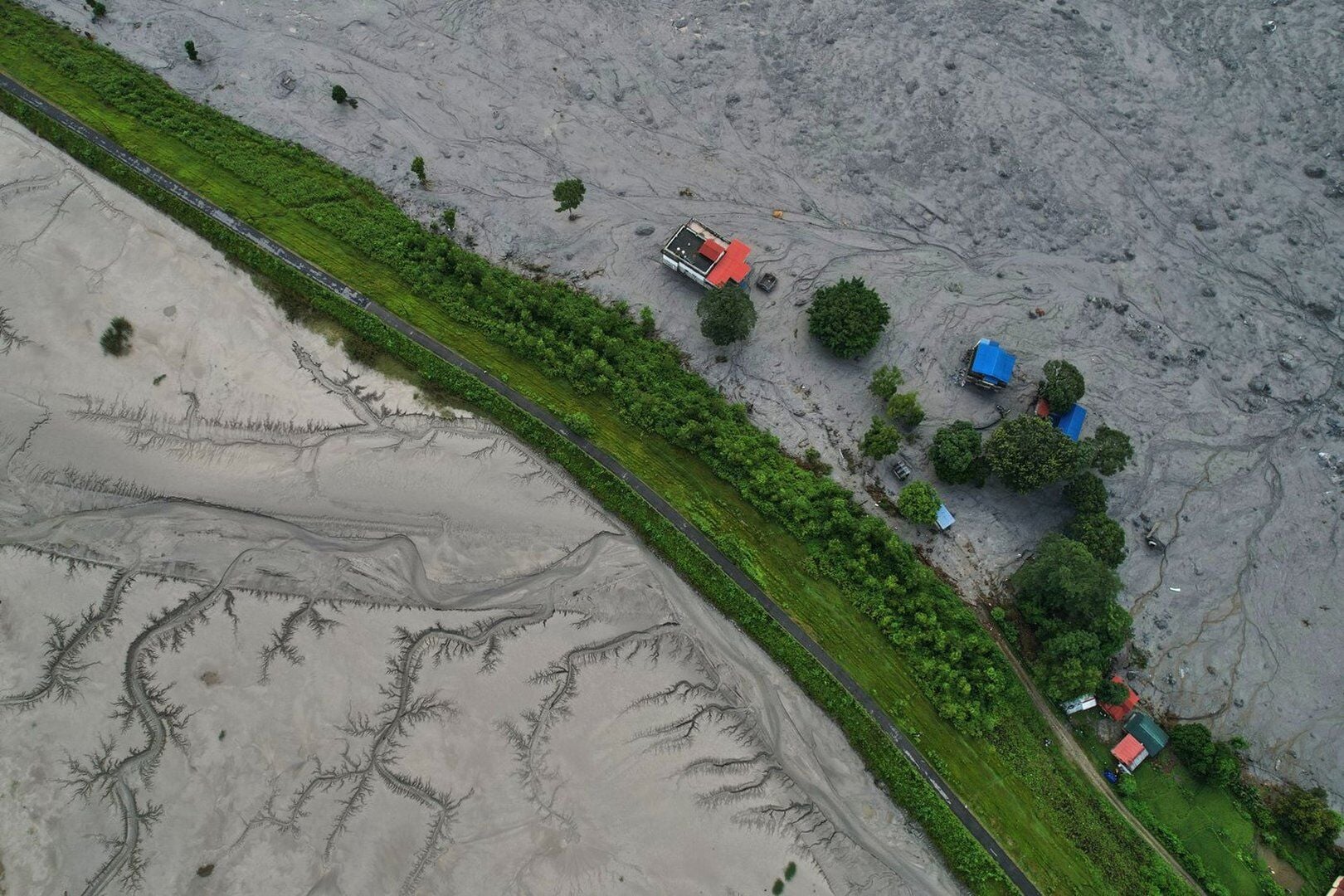
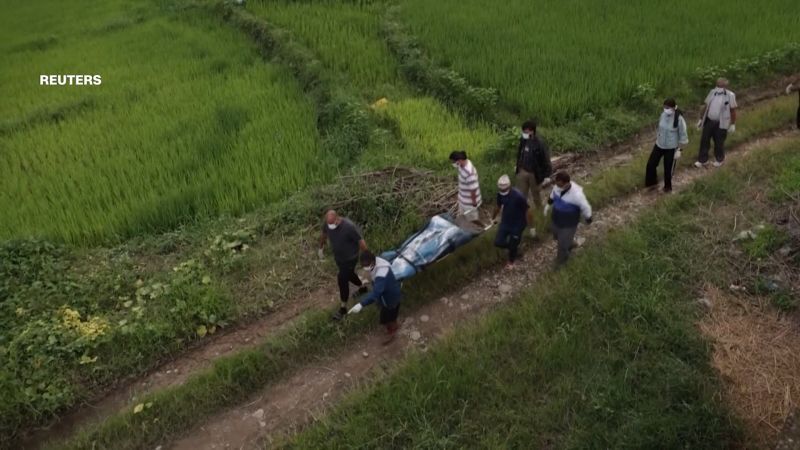
- Rescue crews and foreign specialists are racing to find scores of workers feared trapped alive inside hydropower tunnels in Nepal, after thick mud buried the facilities during last week's flooding.
- At least 933 workers are missing at various sites along the Trishuli river, according to the country's disaster agency, and a list by Nepal's Independent Power Producers' Association (IPPAN) showed around 900 workers missing at 11 different hydro projects.
- At the Trishuli 3A hydropower plant, where 42 people were listed as missing, a massive operation is underway to bore into a tunnel that is more than four kilometers (2.5 miles) long, with rescuers uncertain how far they may need to dig.
- At the Chilime Hydropower Plant, six people are believed missing; rescue teams found the tunnel completely blocked by deep mud and sludge, and could only advance 130 meters before stopping.
- As many as 27 hydropower plants were damaged in Nepal, with about 12 all but destroyed, and rescuers drilled into tunnels to send trapped workers food and oxygen masks.
- Search-and-rescue teams from the Nepal Army and police were joined by specialists from India and China, using thermal cameras on drones to locate survivors and tunnel entrances.
- At least 279 hydropower workers have been rescued or made their own way out, though one survivor estimated only 100 out of about 1,000 workers made it out from his and nearby projects.
Rescue operations in Nepal are intensifying as crews search for workers trapped in hydropower tunnels following devastating floods. At least 933 workers are reported missing, with many believed to be inside the tunnels when the disaster struck.23
A list compiled by Nepal’s Independent Power Producers’ Association (IPPAN) indicates around 900 workers are unaccounted for across 11 hydro projects affected by the flooding.
The Trishuli 3A hydropower plant is a focal point of the rescue, where 42 people are listed as missing. Rescuers are attempting to bore into a tunnel over four kilometers long to search for survivors.45
“So, we might only have to dig 10 meters, or we might have to dig 100 meters,” said a rescue official.
Compounding the challenge, the tunnel is reportedly “completely blocked by deep, muddy sediment and sludge,” making access difficult.
279 hydropower workers have been rescued or managed to escape the mud, but the situation remains dire.1213
The Nepali Army, along with teams from India and China, are utilizing thermal cameras on drones to locate survivors while clearing mud from the tunnel entrances.1011
“Only 100 people had made it out from my and other nearby projects, out of about 1,000 workers,” said survivor Bhakti Ram Bohara, highlighting the urgency of the ongoing rescue efforts.
“At the Trishuli 3A plant, 42 people are missing and rescuers are boring into a tunnel over four kilometers long, uncertain if they need to dig 10 or 100 meters. At Chilime, teams advanced only 130 meters before stopping, with six believed missing.”