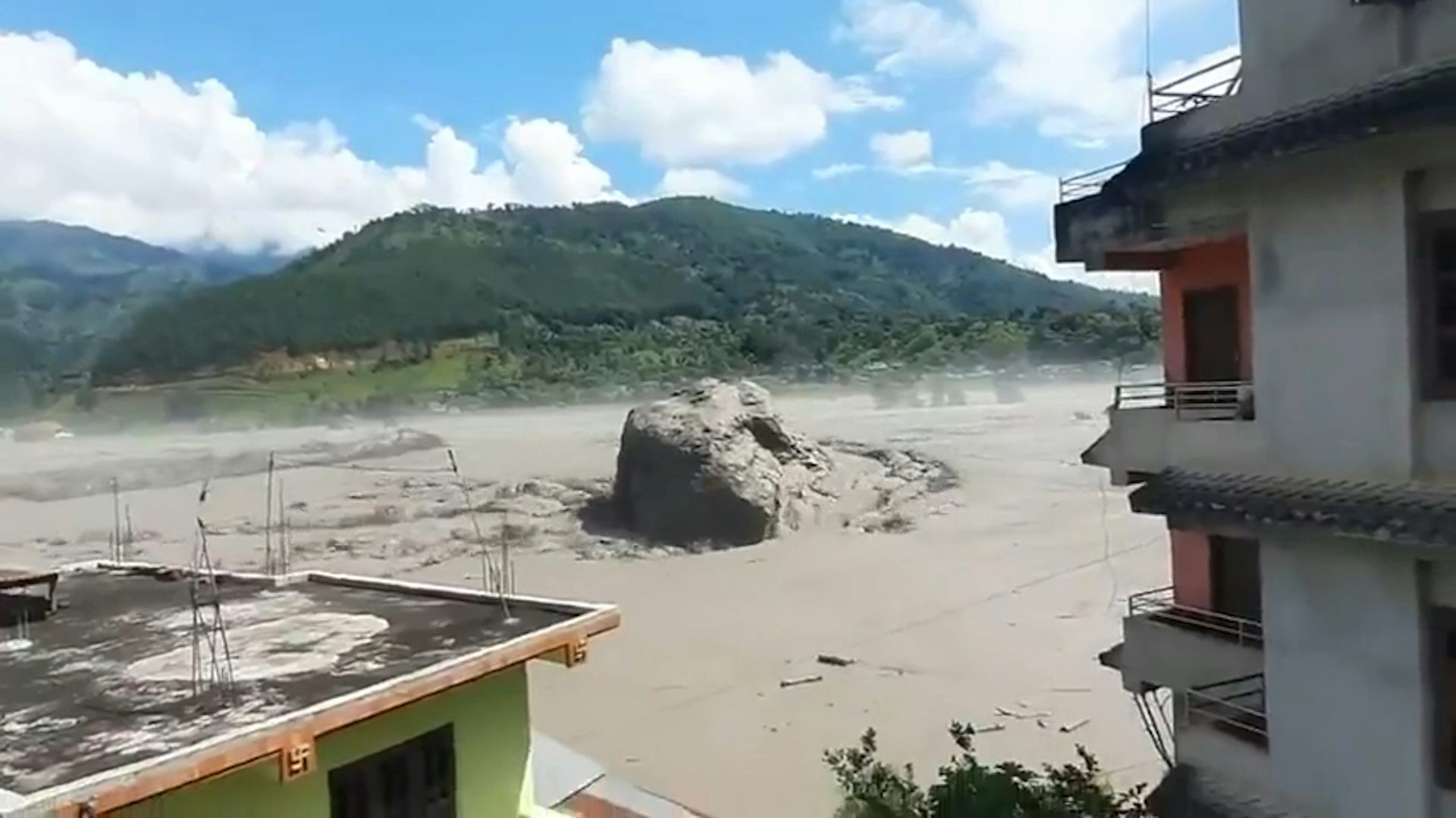
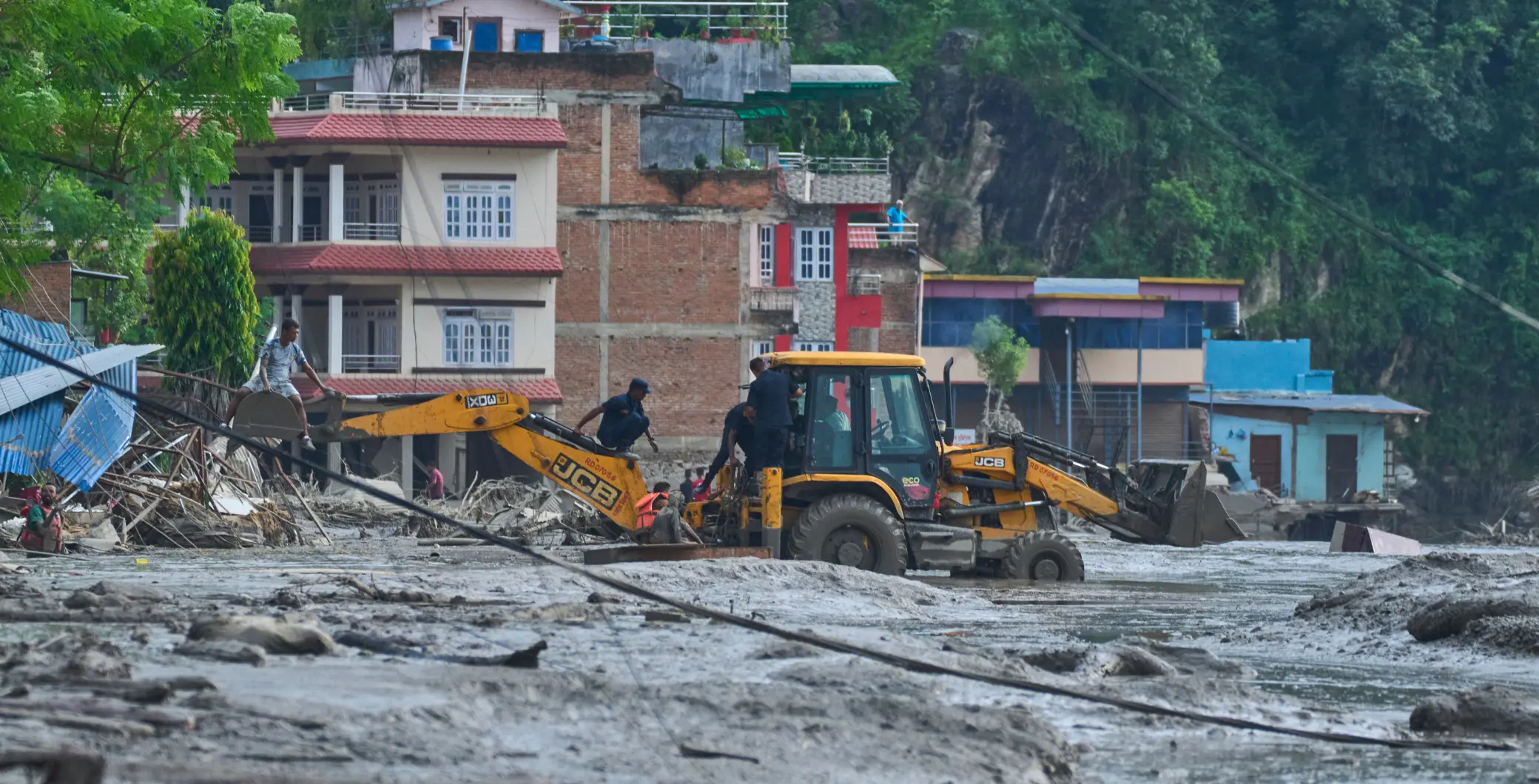
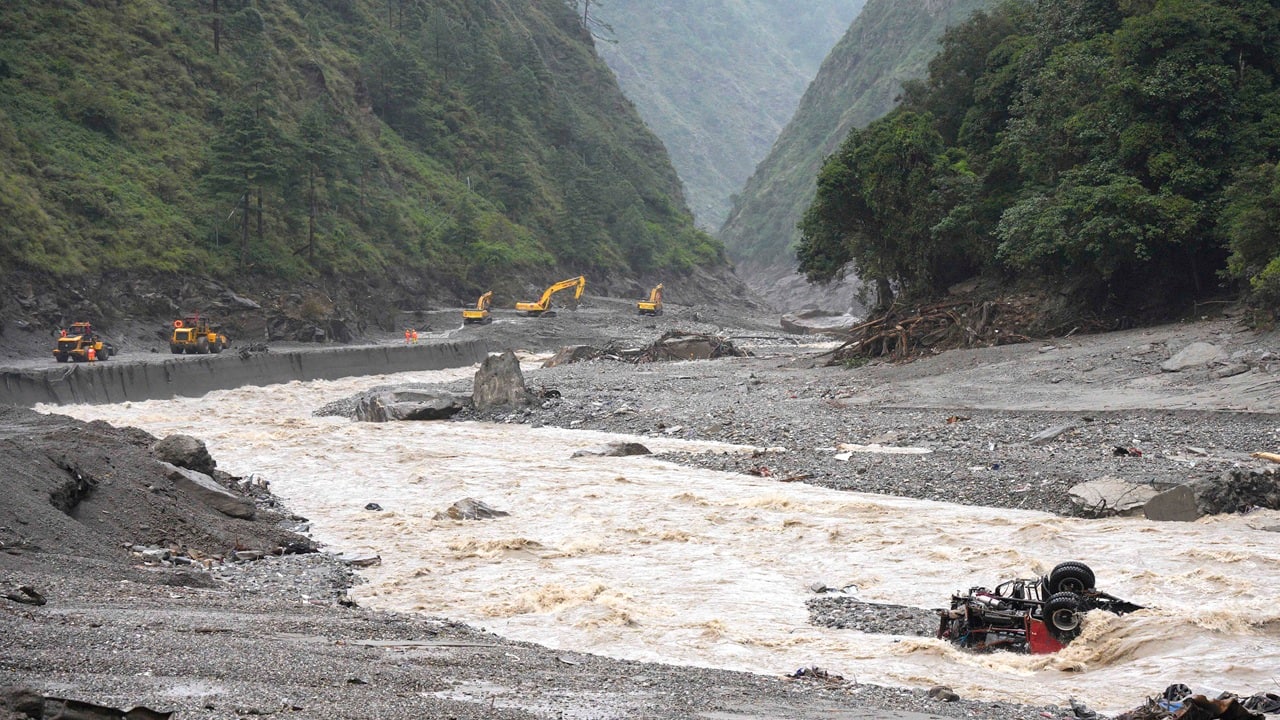
- Floods hit Nepal and Tibet, leaving hundreds missing.
- The official death toll in Nepal is much higher than in China, despite the large population near the Gyirong border crossing.
- China's leader Xi Jinping directed rescue work and dispatched Premier Li Qiang to the affected area, with state media emphasizing Xi's concern.
- Chinese state media focused on rescue efforts rather than the scale of devastation, and international journalists are restricted to tightly choreographed tours.
- Analysts note that all information about Tibet is filtered through a national security lens, hampering independent assessments.
- Tibetans face restrictions on travel and communication, and can be punished for speaking to journalists, making independent assessments difficult.
- China's tight controls on information are limiting international coverage of its relief efforts, despite better-resourced emergency services.
- China has dispatched hundreds of emergency personnel, but there is scant detail on their activities, and analysts suggest China's instinct is control.
Chinese control of information is severely limiting the assessment of flood damage in Tibet, where hundreds are still unaccounted for after recent floods. The official death toll in Nepal has reached 538, while China reports only five deaths, raising questions about the accuracy of information from the region.12
Reports indicate that state media in China have focused on rescue efforts rather than the extent of the devastation, with international journalists facing restrictions on access. Many Tibetans lack passports and face penalties for communicating with the press, complicating independent evaluations of the situation.78111213
Steve Tsang, director of the Institute at Soas University of London, noted, “Everything about Tibet is seen through the national security prism. And therefore nobody is going to say anything or report anything that has not been cleared from the very top.” This control means that even eyewitnesses cannot report higher death figures until officially sanctioned.
China's emergency services, including the People’s Liberation Army, are reportedly better equipped than their Nepalese counterparts, yet details on their operations remain scarce. Xi Jinping has called for efforts to locate missing individuals, emphasizing the government's concern for those affected by the disaster.3456
As the situation unfolds, the lack of transparency continues to hinder a full understanding of the impact of the floods on the Tibetan population.
“Nepal's official death toll has risen to 538, while China reports only five despite thousands living near the Gyirong border crossing. Xi Jinping has directed rescue work and dispatched Premier Li Qiang, but analysts say Tibet's information is filtered through a national security prism.”


 The Guardian