- Emergency workers are continuing their search for survivors in southern Japan after yesterday’s powerful earthquake left widespread devastation, with buildings collapsed, roads severely damaged and emergency teams digging through rubble.
- Nearly 37,000 homes were still without electricity, 9,500 homes were without gas and communication networks were not working in some areas, chief government spokesperson Minoru Kihara told reporters.
- More than 9,000 people left their homes to stay in more than 500 shelters, Kihara added.
- At least 13 deaths have been reported following the earthquake, highlighting the severity of the disaster.
Rescue teams continue to search for survivors in Japan's Kumamoto prefecture following a devastating 7.1 magnitude earthquake that struck the region, resulting in at least 13 fatalities and leaving nearly 37,000 homes without power. The earthquake, which occurred on Tuesday, has caused widespread destruction, with buildings collapsed and roads severely damaged.
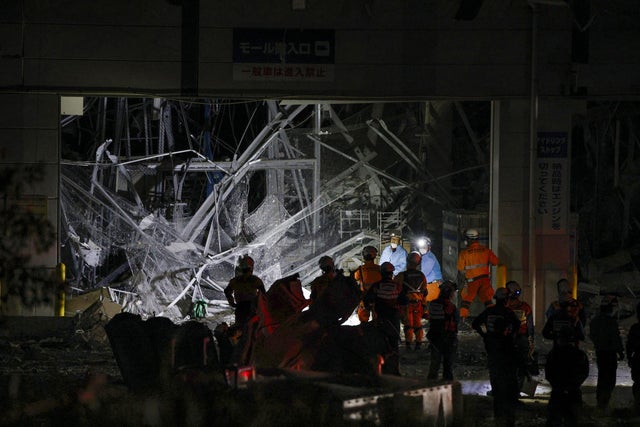
Emergency workers are engaged in a race against time to locate individuals still trapped in the rubble. Reports indicate that many people are missing, prompting a significant mobilization of rescue efforts. Japanese Prime Minister Sanae Takaichi emphasized the urgency of the situation, stating that rescue workers are facing a critical challenge.1
In addition to the fatalities, 9,500 homes are without gas, and communication networks are down in several areas, according to chief government spokesperson Minoru Kihara. Over 9,000 people have evacuated their homes and are currently residing in more than 500 shelters set up for those affected by the disaster. The Kumamoto region had previously experienced a significant earthquake in 2016, which resulted in over 270 deaths and extensive damage.23
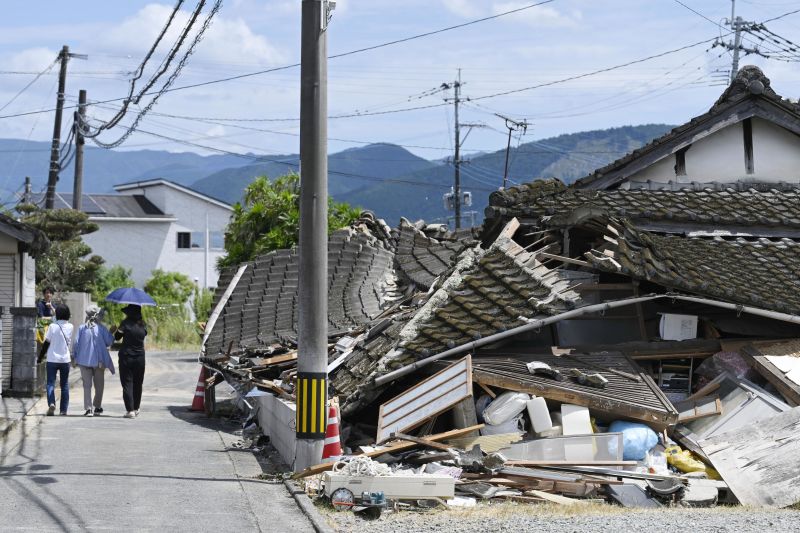
Japan is known for its seismic activity, with about 10% of the world's earthquakes of magnitude 6 or higher occurring in or around the country. The government has warned of the potential for future major earthquakes, including the anticipated Nankai Trough megathrust earthquake, which could occur within the next 30 years.
“Chief government spokesperson Minoru Kihara reported that nearly 37,000 homes are still without electricity and 9,500 without gas. Additionally, more than 9,000 people have left their homes to stay in over 500 shelters as emergency workers dig through rubble.”



 The Guardian
 CBS News



