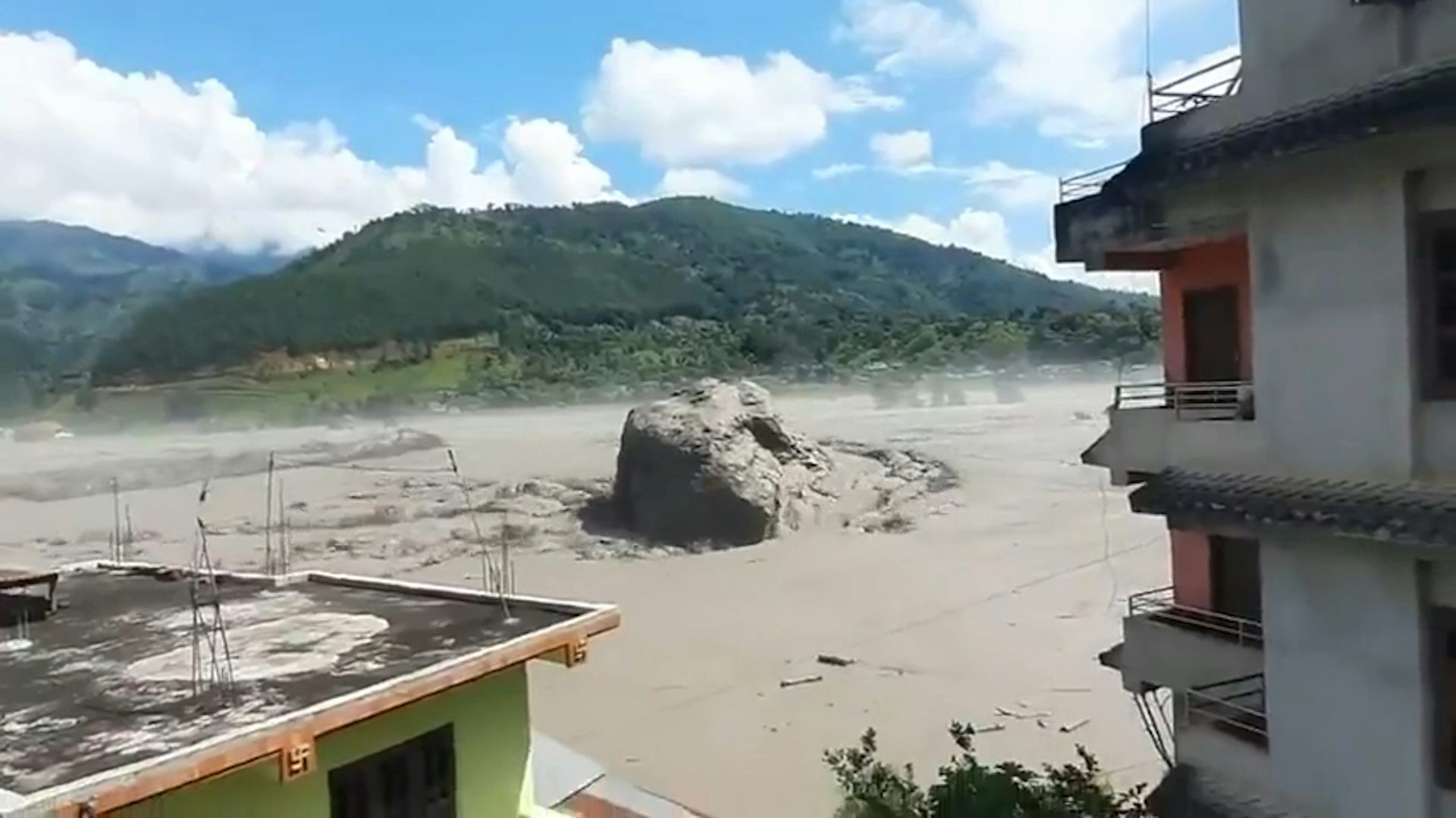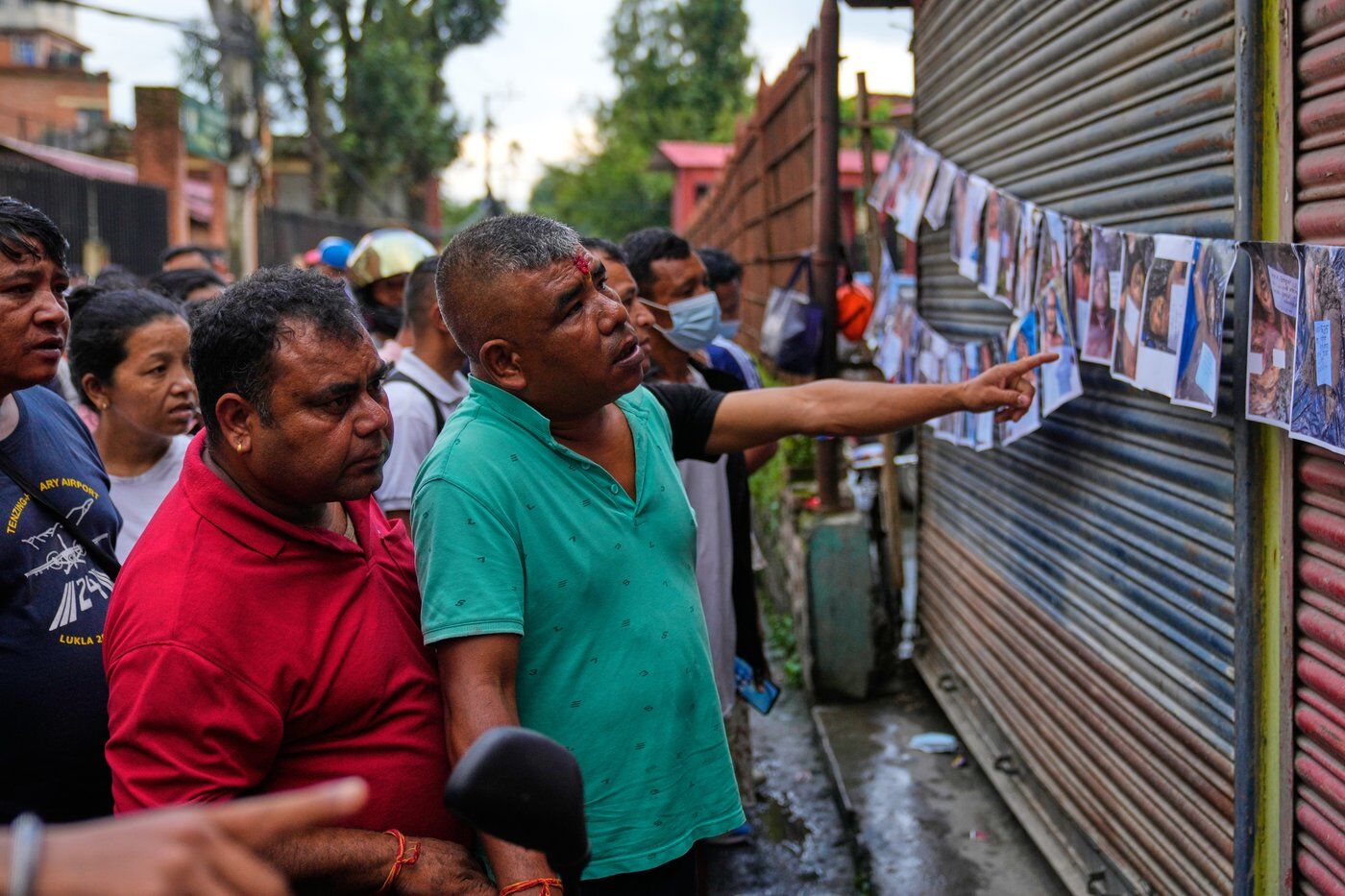
- Glacier collapse triggers flash flood killing nearly 600 and leaving almost 2,500 missing.
- On Thursday, Nepal and China warned of fresh flooding risks from two barrier lakes; Chinese rescuers had yet to reach the worst-hit Gyirong border crossing.
- On Friday, a lake formed by flood began to overflow, halting rescue work and prompting residents to flee uphill.
- Nepal declined foreign help for now, stating its security agencies are conducting search and rescue operations.
- Rescue work resumed after a few hours, with flood risk from the lake deemed 'manageable'.
- A survivor, Dibga Tamang, was airlifted from Rasuwa and said, 'All of our people have gone. They are dead.'
- China’s Ministry of Water Resources reported the lake held about two million cubic metres of water and was expected to receive another three million cubic metres from rain and runoff over the next three days.
- Nepal’s disaster management authority warned of further flooding and urged high alertness.
Rescue efforts resumed along the Nepal-China border as a newly formed lake threatens to overflow, prompting fears of a second disaster. The initial catastrophe, caused by a glacier collapse, resulted in nearly 600 deaths and left 2,500 people missing.1
Authorities are closely monitoring the lake, which holds around two million cubic metres of water, with expectations of an additional three million cubic metres from ongoing rain. Residents were evacuated as the lake's water levels continued to rise, halting rescue operations temporarily.
“There is a risk of further flooding,” warned Shanti Mahat, spokesperson for Nepal’s disaster management authority, urging all in the area to remain vigilant. Earlier, rescue teams utilized helicopters to search for survivors and deliver emergency supplies to isolated towns.10
Dibga Tamang, one of the last rescued, expressed profound loss, stating, “All of our people have gone. They are dead. I have no one left waiting for me. Everything and everyone is gone. The end.”8
Both Nepal and China have issued warnings about the potential for additional flooding, as barrier lakes on either side of the border pose ongoing risks. Chinese rescuers have yet to reach the worst-hit areas due to debris blocking access roads.23
“The lake holds about two million cubic metres of water and could receive three million more from rain, prompting Nepal's disaster authority to urge high alertness. Nepal has declined foreign help for now, saying its security agencies are handling search and rescue.”


 The Globe and Mail