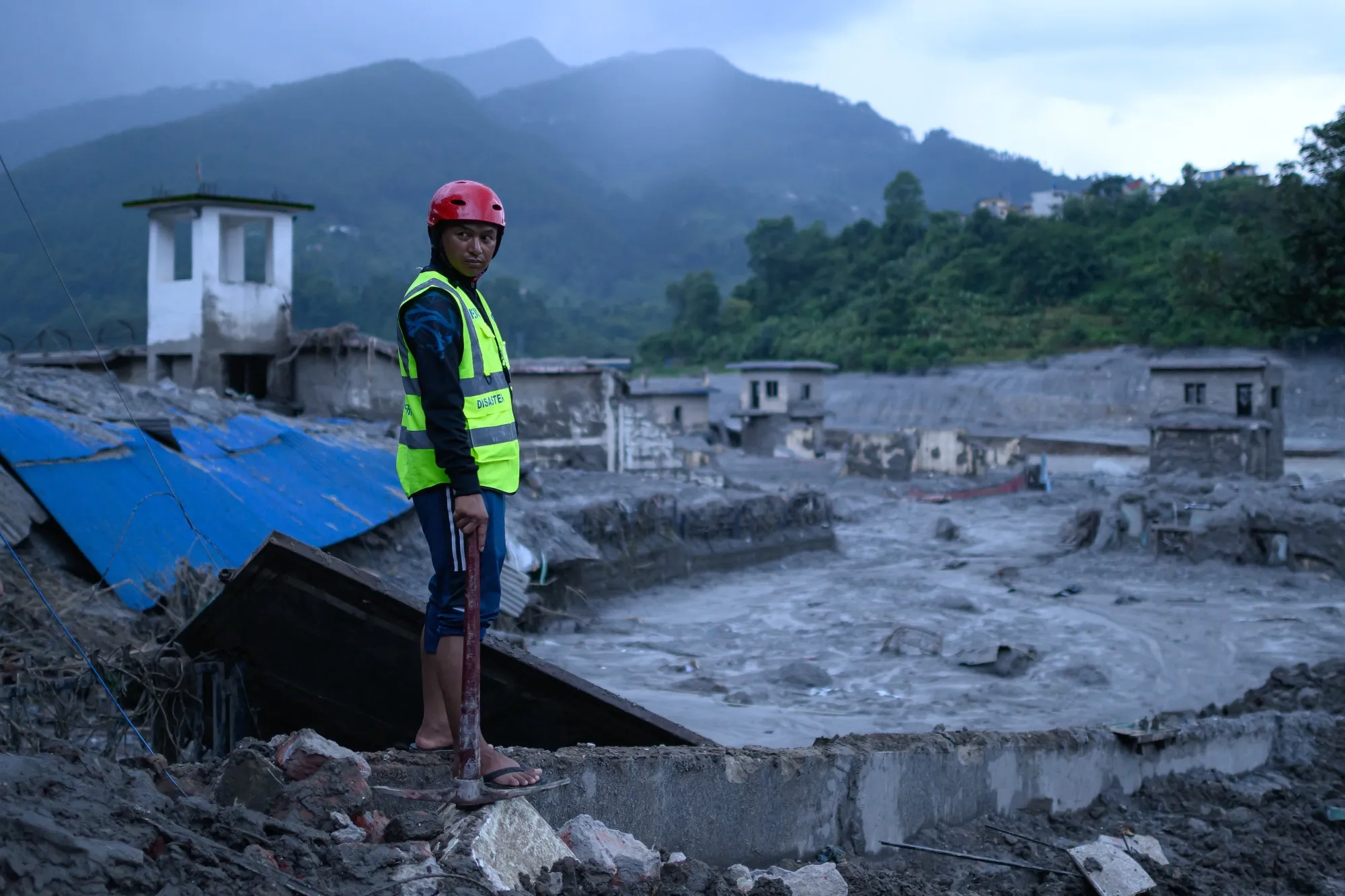
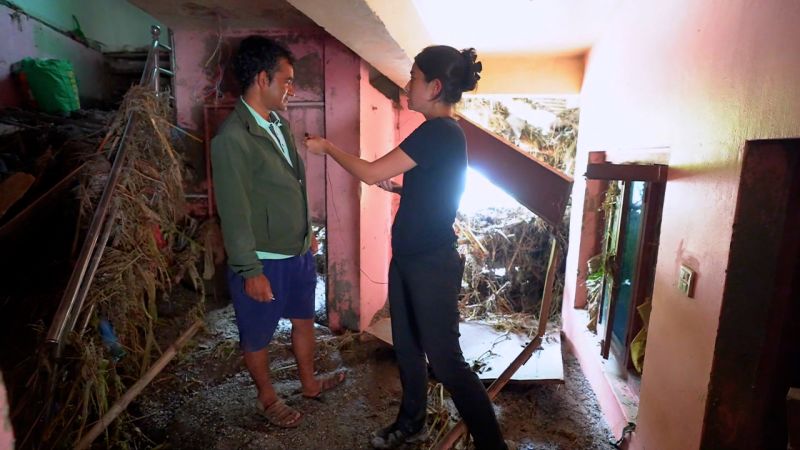
- An enormous glacier in the Himalayas snapped away from a mountaintop and cascaded into the valley below, causing flash floods, with the true scale of the devastation still unfolding.
- The official death toll in Nepal rose to 538 people, while in China it was just five, despite the fact that the villages around the Gyirong border crossing are home to several thousand people.
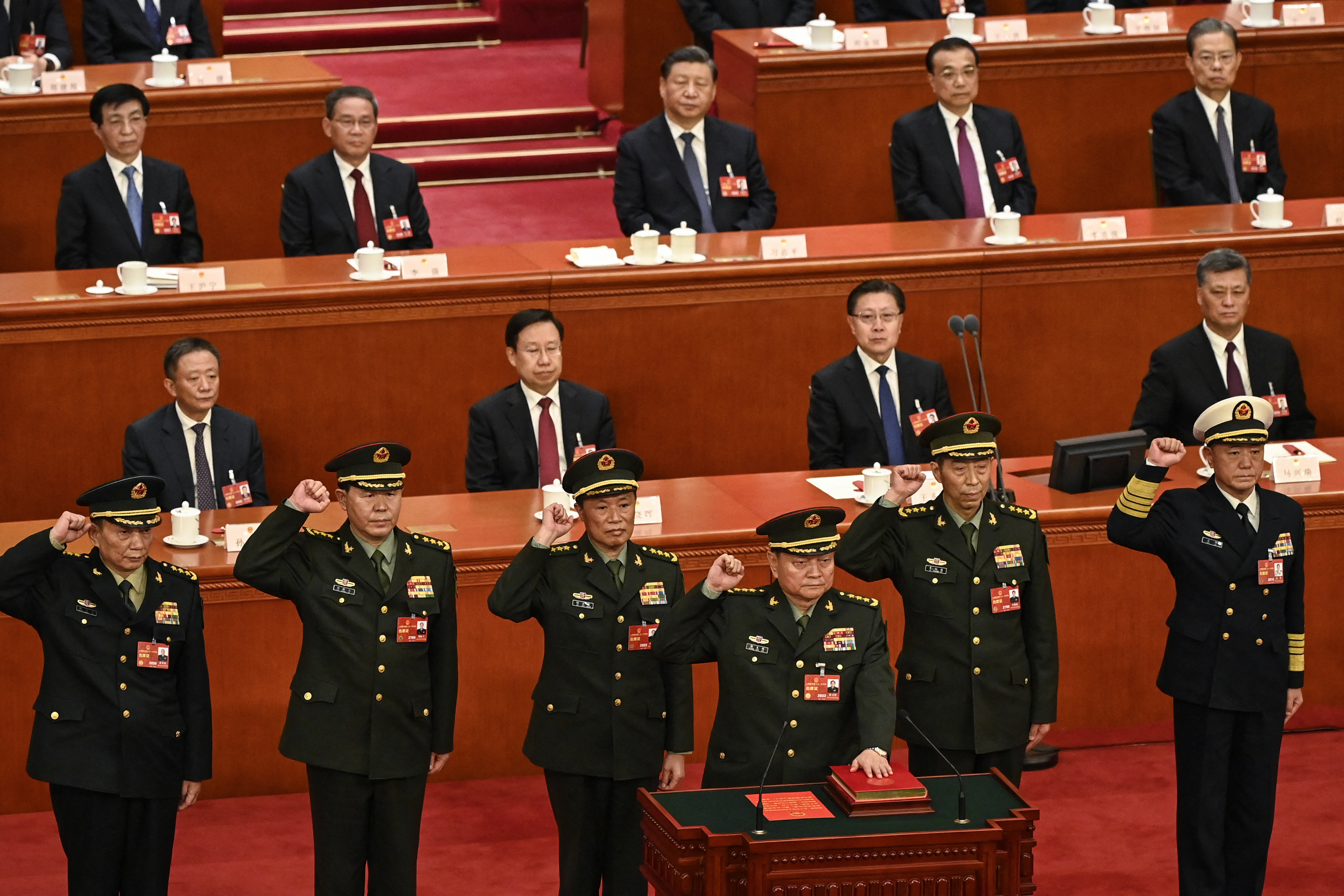
- China's leader, Xi Jinping, chaired a meeting to direct rescue work and called on the authorities to "make every effort to search for missing people from China and abroad."
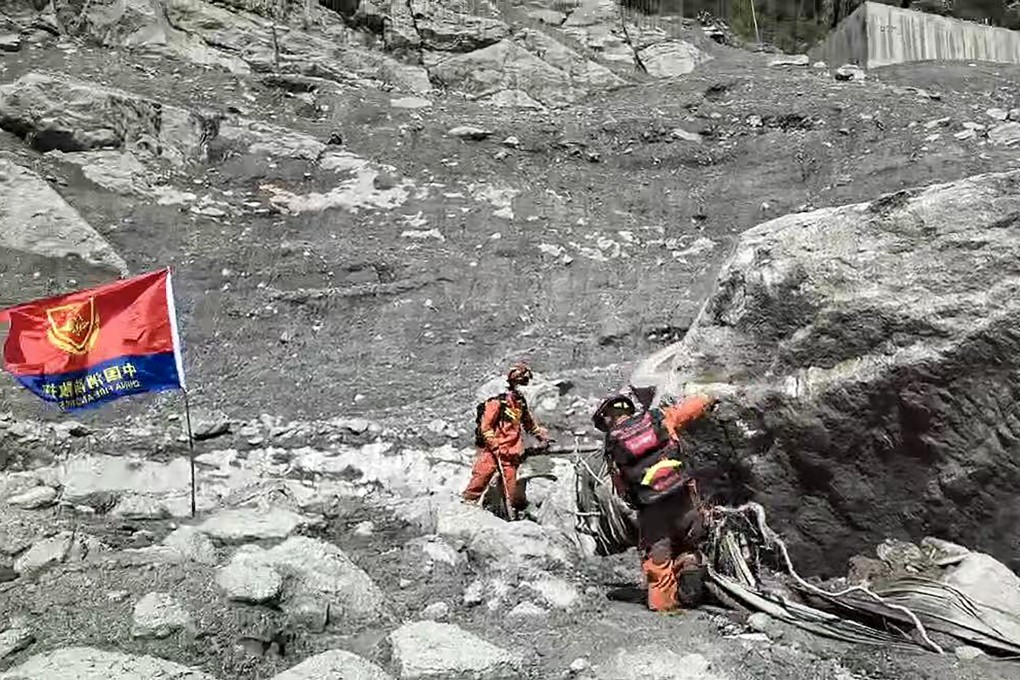
- Chinese state media focused on rescue efforts rather than the scale of devastation, making independent assessments difficult due to strict information controls.
- Tibet, brought under Chinese control in the 1950s, is the most sensitive and tightly controlled region in the country, limiting independent assessments of the flood's impact.
- Many Tibetans are not allowed passports and have very limited contact with the outside world, complicating information flow.
- China's tight controls on information are limiting international coverage of its relief efforts, despite having better-resourced emergency services.
A catastrophic glacier flood in the Himalayas has resulted in hundreds missing, with Nepal's death toll reaching 538 while China reports only five. The disparity highlights the challenges posed by strict information controls in Tibet, complicating rescue and assessment efforts.5
In the aftermath of the disaster, the true scale of the devastation is still unfolding. Reports indicate that Chinese emergency services, including the People’s Liberation Army, are better resourced than their Nepalese counterparts, yet details on their operations remain scarce. China's leader, Xi Jinping, has called for comprehensive search efforts for missing individuals, both domestic and international, emphasizing the need for swift action.3
However, the flow of information from Tibet is severely restricted. Steve Tsang, director of the Institute at Soas University of London, noted, “Everything about Tibet is seen through the national security prism.” This control means that local reports cannot reflect higher death tolls until officially sanctioned, limiting the public's understanding of the situation.
International journalists face significant barriers, as many Tibetans lack passports and are often punished for speaking to the media. The Chinese government’s tight grip on information hampers independent assessments, making it difficult to gauge the full impact of the floods on the Tibetan side of the border.6
As rescue efforts continue, the international community remains concerned about the lack of transparency and the potential for underreporting of the disaster's true toll.
“Nepal's official death toll has risen to 538, while China reports just five despite thousands living near the Gyirong border crossing. Xi Jinping has ordered authorities to "make every effort to search for missing people from China and abroad," dispatching premier Li Qiang to the area.”


 The Guardian