- The administration launched the Iran war on February 28, promising a quick victory.
- Nine months later, the war is in stalemate with no end in sight, causing oil price hikes and public discontent.
- The Atlantic reports Hegseth gives Trump overly positive assessments to keep him happy.
- Trump is asking advisers about Hegseth and Caine's performance, possibly considering personnel changes.
- Netanyahu pushes for fresh strikes while Trump favors more time for diplomacy.
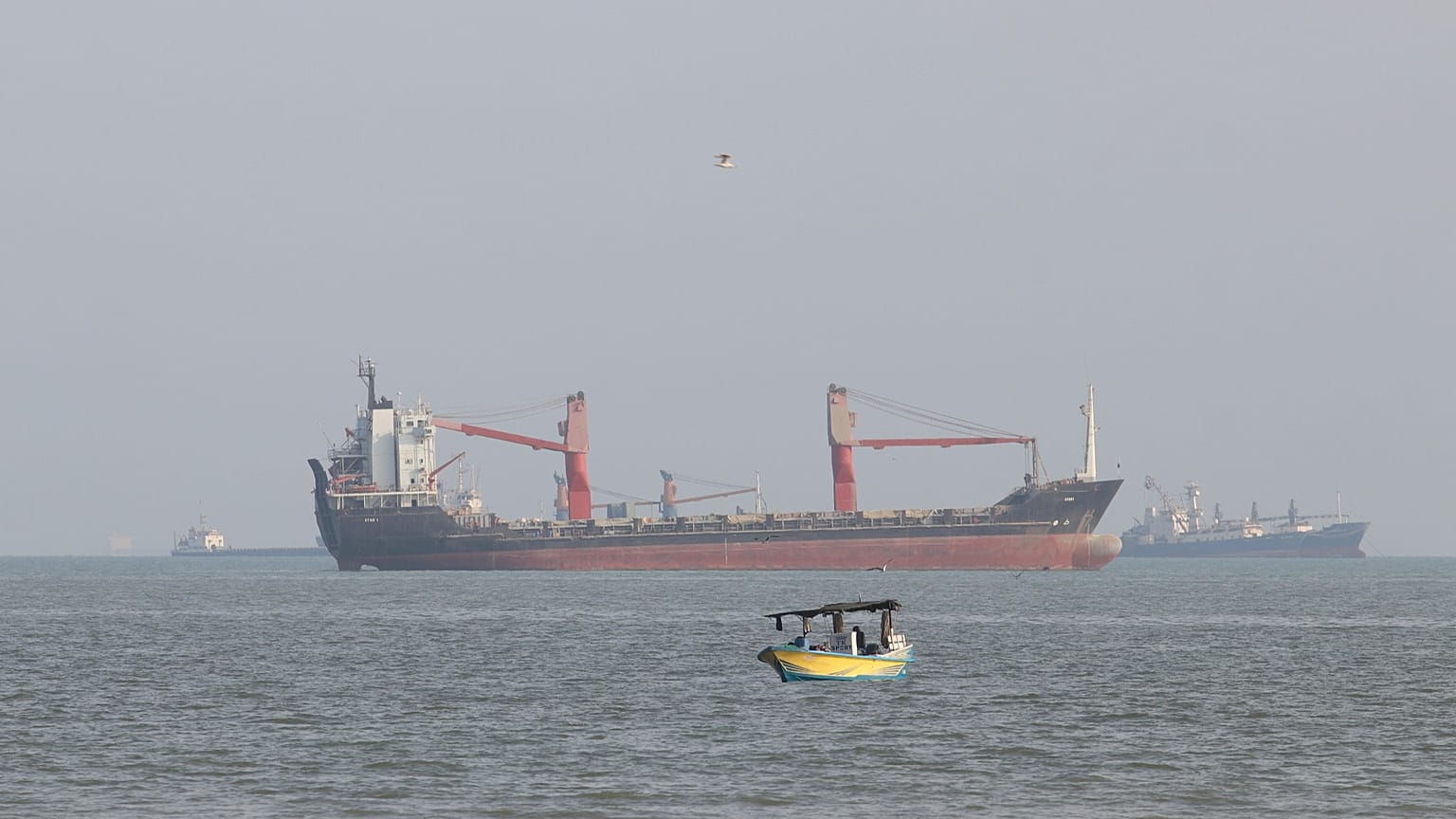
- Tensions continue in the Strait of Hormuz, with Iranian claims of tanker explosions.
- The war has become politically difficult for Trump, with rising oil prices and disruptions to global energy supplies adding to public concerns in the United States.
- Insiders told CNN last month that White House staff feared the president would seek out a scapegoat to blame for costing him the House and Senate, with Hegseth's name among several mentioned.


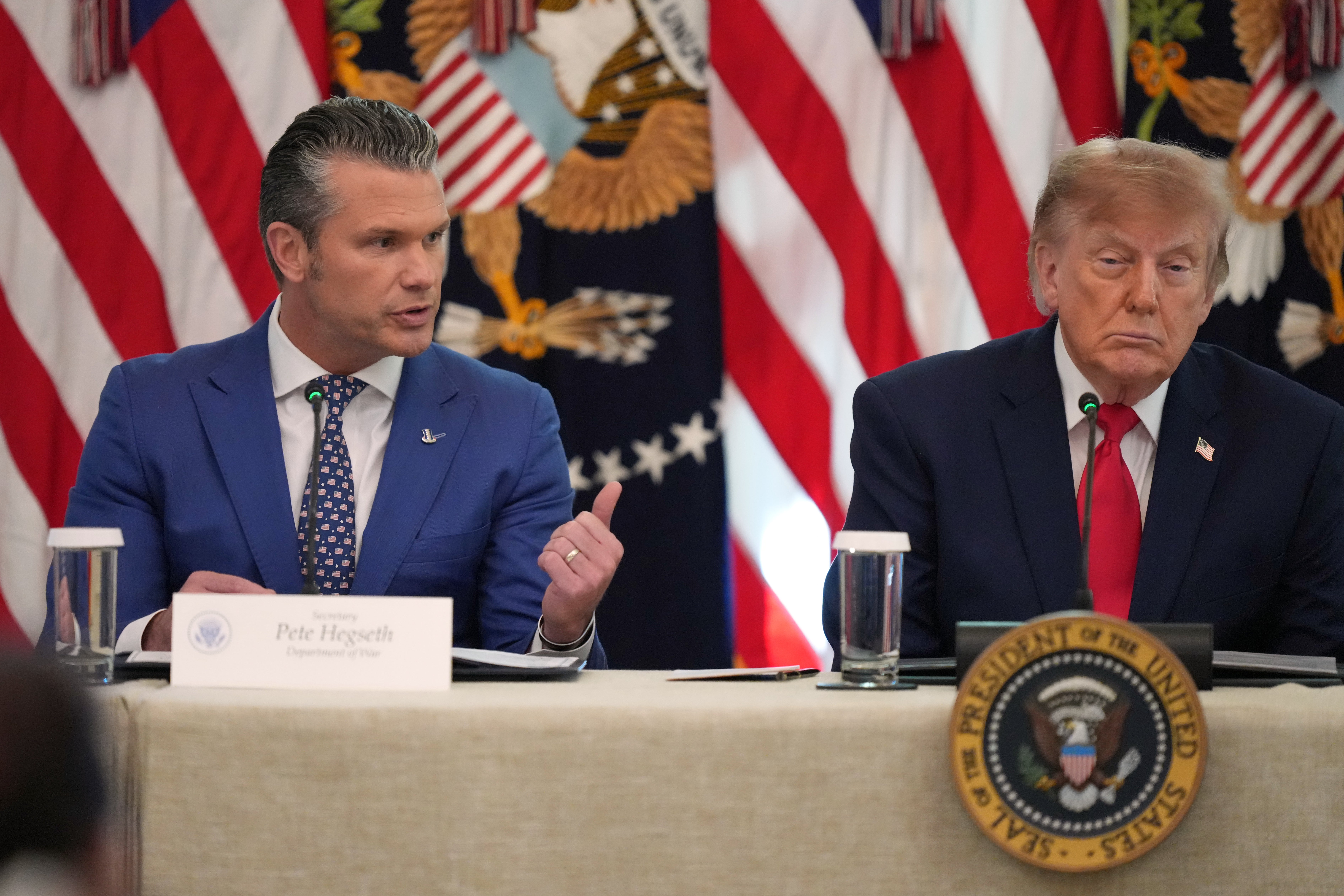
Defense Secretary Pete Hegseth has been accused of presenting the ongoing Iran war in overly positive terms to maintain President Trump's approval, as reported by *The Atlantic*. Insiders claim Hegseth is not well-liked within the White House, with some suggesting he lacks transparency regarding the conflict's progress.134
Trump has reportedly been discussing Hegseth's and General Dan Caine's performance with advisers, expressing frustration over the war's prolonged nature, which he expected to conclude before the midterm elections. The conflict has dragged on for nine months, resulting in thousands wounded and rising oil prices, exacerbating the cost of living crisis in the U.S.9
Despite the pressure, there is no indication that either official faces immediate dismissal. However, Trump is weighing the possibility of resuming military operations against Iran, especially as Israeli Prime Minister Benjamin Netanyahu pushes for renewed strikes. Trump, meanwhile, favors diplomatic efforts, indicating a potential rift in strategy.
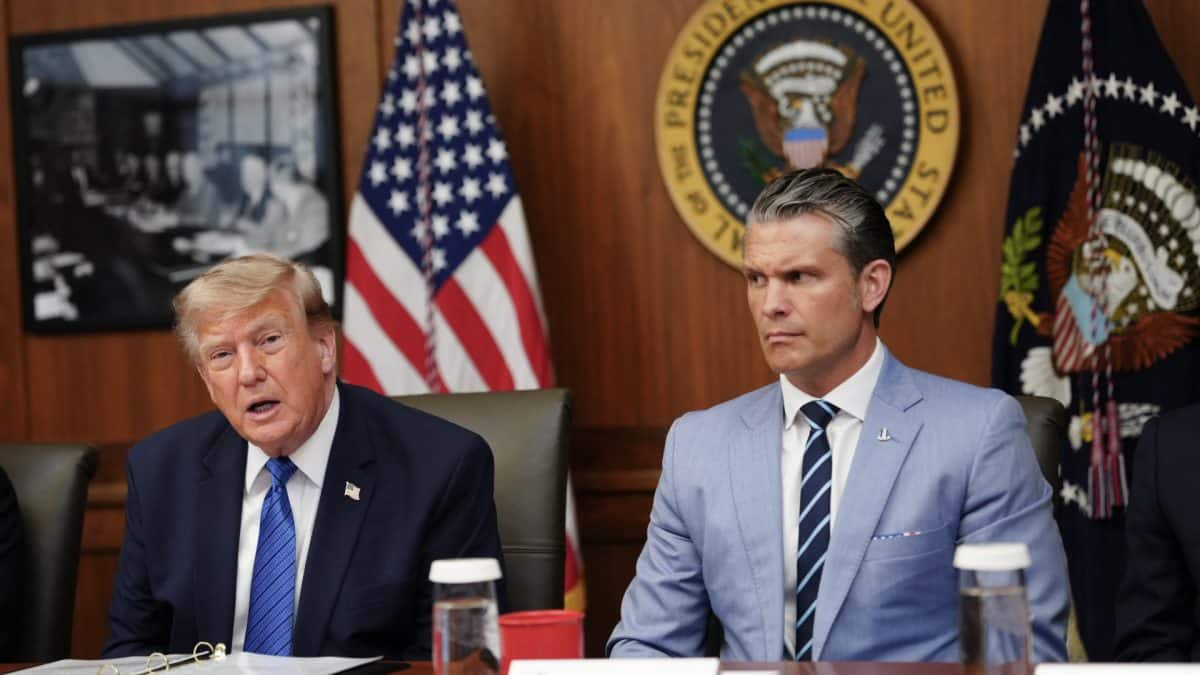
The report highlights that Hegseth's assessments may not align with the realities on the ground, as he has been described as someone who tells the president what he wants to hear. This dynamic raises concerns about accountability, especially if the Republicans perform poorly in the upcoming midterms, with Hegseth's name surfacing as a potential scapegoat.10
As the situation evolves, the administration's approach to Iran remains a contentious issue, with Trump navigating both military and diplomatic avenues amidst growing public scrutiny.
“The Atlantic reports Hegseth is unpopular at the White House for spinning the war's stalemate; Trump is also weighing whether to restart attacks on Iran, with Netanyahu urging fresh strikes while Trump favors diplomacy. The war's nine-month length has driven up gas prices, and a poor Republican midterm showing could make Hegseth a scapegoat.”


 The IndependentFirstpost