- A new report alleges that US Defense Secretary Pete Hegseth 'hid' the extent of damage caused by Iranian strikes on Naval Support Activity Bahrain, a key US military supply and logistics hub.
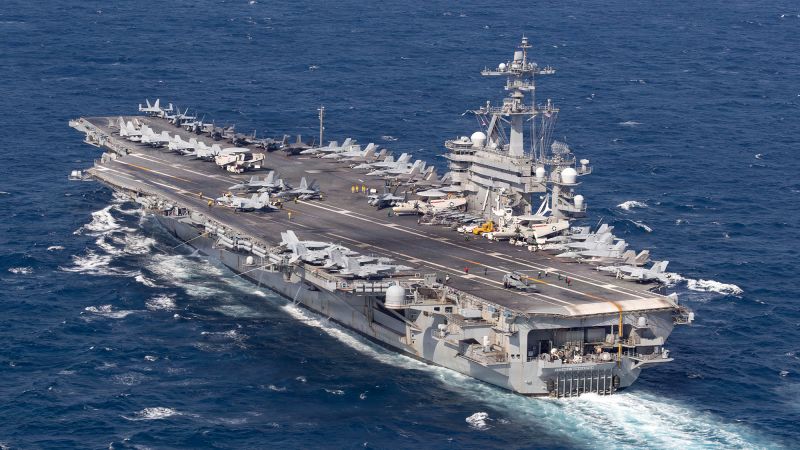
- The reported damage has been linked to resupply problems facing the USS Abraham Lincoln, which has remained deployed for more than 260 days.
- The crisis has raised concerns over US Navy sailors' exhaustion, shortages, morale, and mental health.
- The Pentagon strongly denies the allegations, while Donald Trump rejects claims of an extended deployment crisis.
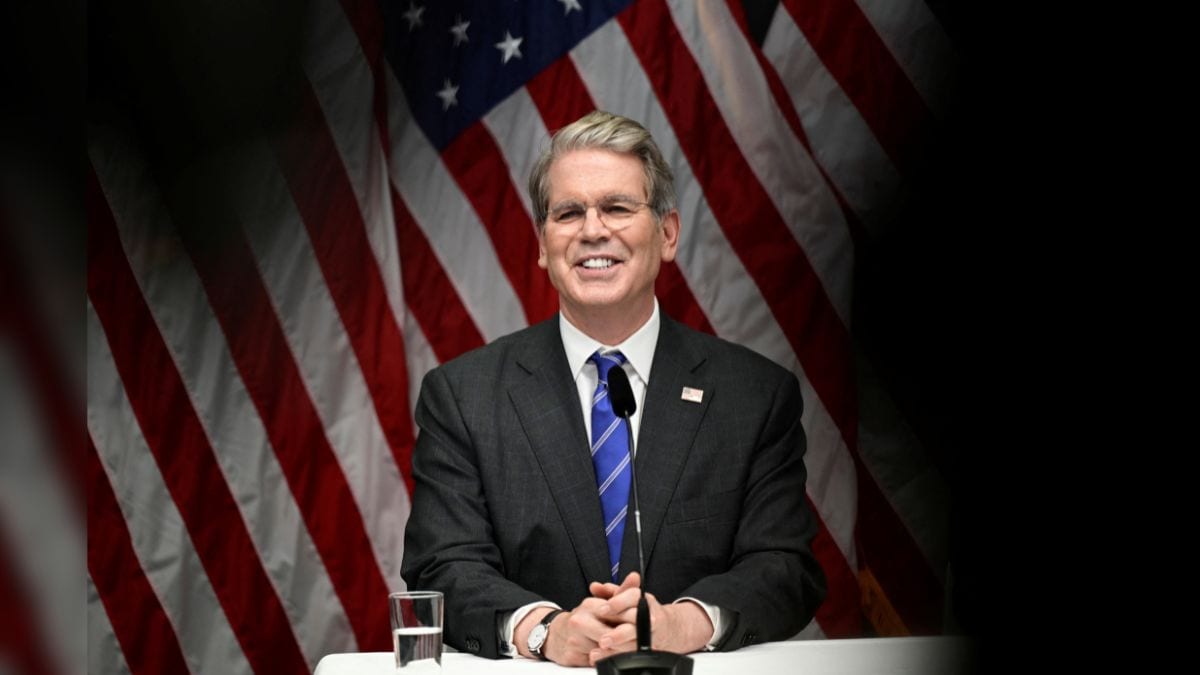
- US President Donald Trump announced on Wednesday that the US would exert more financial pressure on Iran, threatening the MOST CRUSHING ECONOMIC OPERATION and warning of Economic Warfare and Isolation on an unprecedented scale.
- The Iranian Foreign Ministry condemned Trump’s threat as unlawful, calling it the other side of the coin of war and military aggression, and warned that those who order or implement the levies are liable to prosecution and punishment.
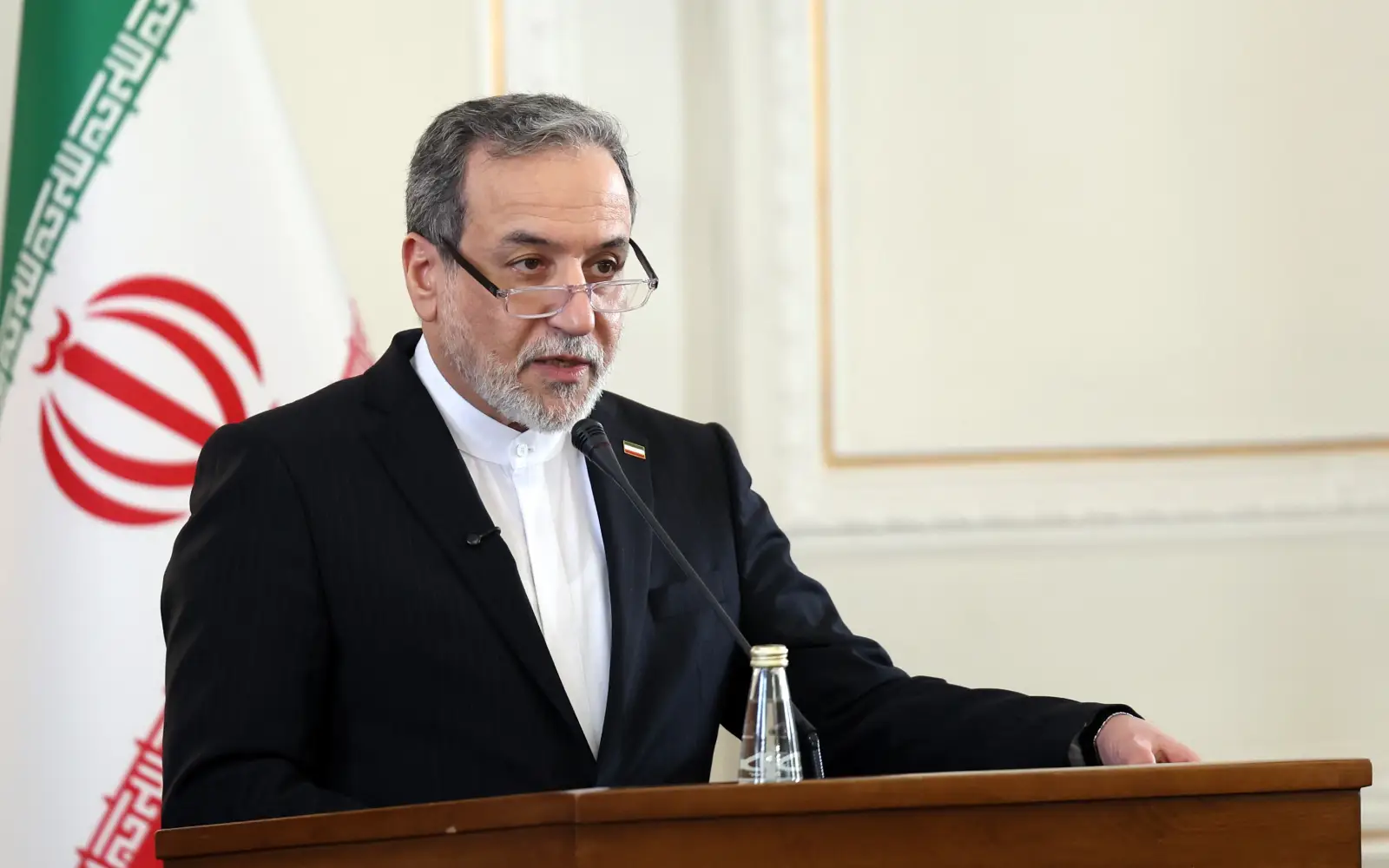
- Iranian Foreign Minister Abbas Araghchi dismissed Trump’s threat as doubling down on failed policies, warning that US economic terrorism threatens global economy and sovereignty worldwide.
- Oil prices jumped more than 2% on Thursday after Trump’s threat, with Brent crude futures up 2.4% to almost $94 a barrel and WTI futures up 2.5% to $86.
- Analysts are skeptical that Trump’s threats will have the desired impact, noting Iran has developed a survival economy that allows it to sustain more economic pain over time.
A new report alleges that US Defense Secretary Pete Hegseth concealed the extent of damage from Iranian strikes on Naval Support Activity Bahrain, a critical logistics hub for the US military. This damage has reportedly contributed to resupply issues for the USS Abraham Lincoln, which has been deployed for over 260 days.12
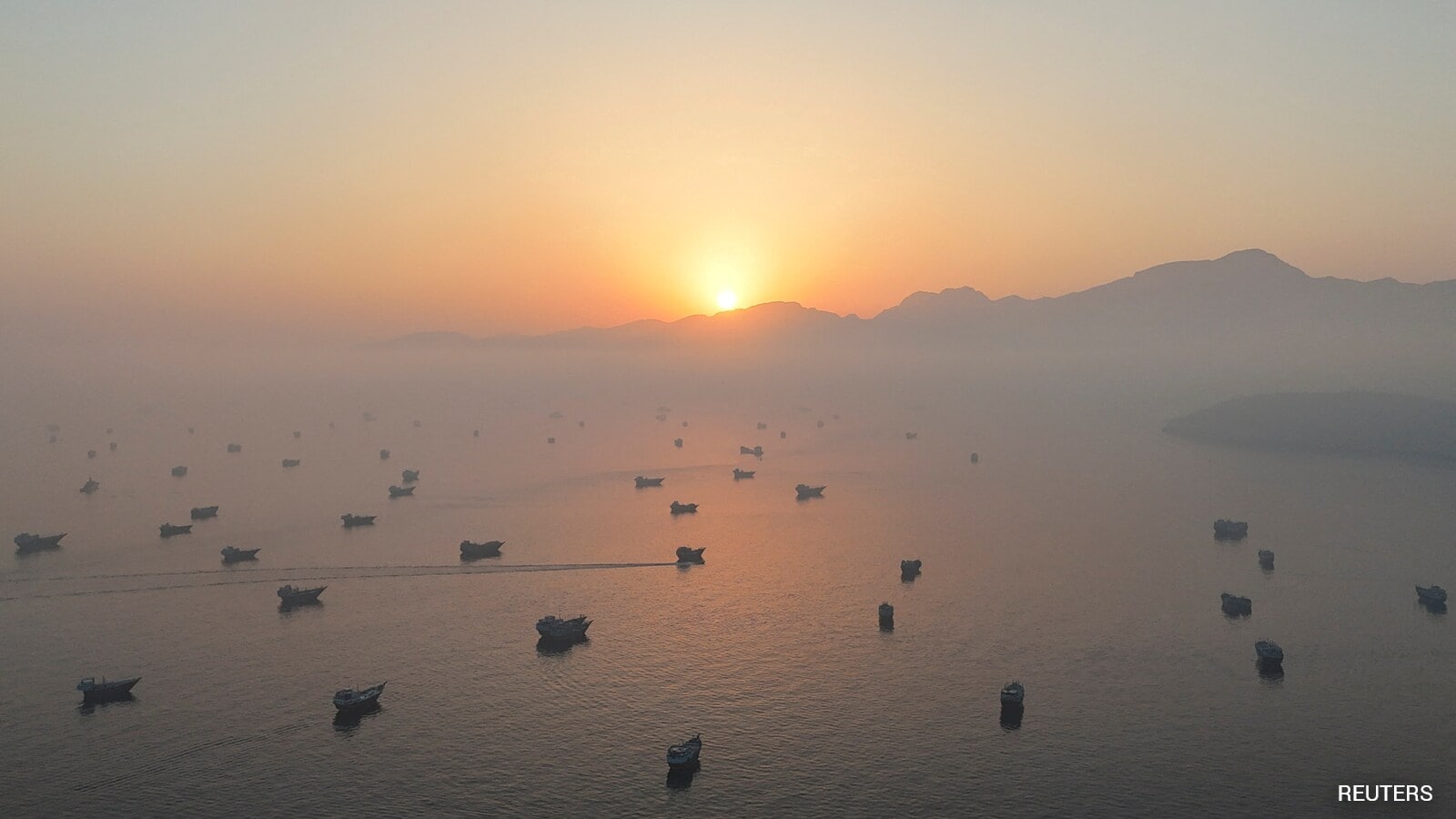
The situation has raised alarms regarding the exhaustion, morale, and mental health of US Navy sailors. The Pentagon has strongly denied these allegations, while President Donald Trump has dismissed claims of a deployment crisis, asserting that the US is in “complete control” of the Strait of Hormuz.34
In a significant escalation, Trump announced plans for “the MOST CRUSHING ECONOMIC OPERATION EVER TAKEN AGAINST ANY COUNTRY”, warning of severe economic consequences for nations that provide any support to Iran. He emphasized that the US would impose “economic warfare and isolation” on Tehran, although he did not specify the measures involved.5
Iranian officials have condemned Trump's threats, with Foreign Minister Abbas Araghchi labeling them a “diversion” and asserting that such actions would only lead to further defeat for the US. The Iranian Foreign Ministry warned that those implementing sanctions would be held accountable for their actions.7
As tensions rise, oil prices surged over 2% following Trump's threats, reflecting the potential impact of economic sanctions on global markets. Analysts remain skeptical about the effectiveness of Trump's strategy, noting that Iran has developed a “survival economy” capable of withstanding prolonged economic pressure.9
“The USS Abraham Lincoln has been deployed over 260 days, with the reported damage linked to resupply problems, raising concerns over sailor exhaustion and morale. The Pentagon denies the allegations, while Trump's threat of 'the MOST CRUSHING ECONOMIC OPERATION' has already spiked oil prices, with Brent crude up 2.4% to nearly $94 a barrel.”


 Firstpost