- Clashes between Tigrayan and federal forces began near the Sudanese border on August 1, marking a resurgence of conflict in the region.
- On September 20, the TPLF and six other groups announced the Ethiopian Peoples’ Forces Alliance for Survival, aiming to overthrow Prime Minister Abiy Ahmed's government.
- On September 22, drone strikes hit Alamata, targeting schools and a hospital, escalating the violence.
- On September 23, Tigrayan forces seized airports in Mekelle, Axum, and Shire, and advanced into Afar and Amhara regions.
- On September 25, the Sidama National Liberation Front announced its support for the alliance, further consolidating opposition against the government.
- On September 27, government forces retook areas in northern Amhara, indicating ongoing military engagements.
- On September 28, government-aligned forces captured Alamata, a strategic town in Tigray.
- The fighting has spread into Afar and Amhara, with telecommunications cut and flights suspended, complicating humanitarian efforts.
- The renewed fighting stems from political and territorial tensions left unresolved after Ethiopia's 2020-2022 Tigray war.
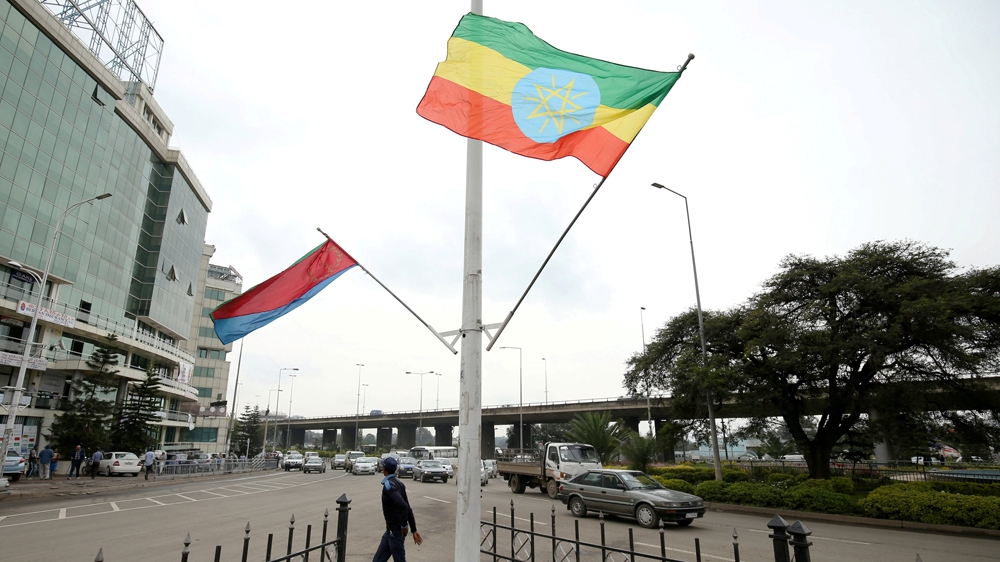
- Ethiopia's army chief has accused Eritrea, Sudan, and Egypt of supporting the armed groups, raising fears of a wider regional war.
- All accused countries have denied the allegations, with Egypt asserting it respects the sovereignty of neighboring states.
- The conflict has implications for the Horn of Africa, where interconnected conflicts and shifting alliances are prevalent.
- The UAE has become an influential player in the Horn of Africa, forging relationships through investment and diplomacy.
Renewed fighting in Ethiopia's Tigray region has escalated, with the TPLF-led alliance advancing and accusations of support from Eritrea, Sudan, and Egypt. The conflict, which has already spread to the Amhara and Afar regions, threatens to destabilize the Horn of Africa.481012
The clashes resemble the 2020-2022 civil war that resulted in hundreds of thousands of deaths, but the current situation is more precarious. Experts warn that the fighting could extend beyond Ethiopia's borders, as the opposing sides have ties to various countries involved in interconnected conflicts across the region.1
Ethiopia's army chief has specifically accused Eritrea, Sudan, and Egypt of backing the armed groups, which all three countries have denied. Telecommunications have been cut across much of Tigray, hampering humanitarian efforts and separating families. The strategic town of Alamata was captured by government-aligned forces on September 28, while Tigrayan forces have made advances into Afar.37

The UAE has been implicated in supporting the Ethiopian government, while Sudan's military has received backing from Egypt and Eritrea. The conflict's complexity is further exacerbated by the ongoing crises in Sudan and Somalia, as well as the historical enmity between Ethiopia and Eritrea, which fought a war from 1998 to 2000 over territorial disputes.
As the situation unfolds, the potential for a wider regional war looms, with the Horn of Africa's stability hanging in the balance.
“The conflict has spread to Amhara and Afar, with government forces capturing Alamata on September 28 after drone strikes hit schools and a hospital. The TPLF-led alliance, formed September 20, aims to overthrow Abiy Ahmed's government, while Eritrea denies backing rebels despite Ethiopia's accusations.”