- Reform UK says it would use the Royal Navy to stop small boats crossing the Channel.
- Retired Royal Navy commander Tom Sharpe said the proposal “lacks quite a lot of substance” and argued that the Border Force already exists to do the job.
- Sharpe cast doubt on feasibility, saying the UK has “basically none” in terms of ships, calling the plan “the largest maritime operation in the Channel since World War Two,” and warning that Paris could refuse to accept migrants returned to French shores.
- Energy Secretary Miatta Fahnbulleh said the plan would mean spending “a lot of time arguing with France.”
- Reform UK's home affairs spokesperson Zia Yusuf said the plan was partly inspired by Ceuta, calling refusing disembarkation a “crime against humanity,” and described the migrants as “innocent civilians who are being rescued as part of a humanitarian mission.”
- Last Wednesday was the busiest day for small boat crossings this year with 752 people arriving, while provisional figures show 14,526 entries so far in 2026, 43% lower than this time last year.
- Nigel Farage is fighting a byelection after resigning Clacton amid a deepening donations scandal, his party is losing support to Restore Britain, and he is due to appear with Yusuf at a Westminster press conference.
- International conventions on the sea allow for states to pick people up from boats if they are in danger of being lost, but do not allow for them to be taken to another country without that nation's consent; Yusuf accepted the UK and France may have a diplomatic argument if French authorities were to refuse to accept migrants escorted back to its shores, but insisted they have a commitment under international law to process them.
Reform UK has proposed a controversial plan to deploy the Royal Navy for intercepting small boats in the English Channel, dubbed "operation fortress". This initiative aims to return migrants to France or Belgium, but has faced backlash from various quarters.1
A Labour party spokesperson criticized the proposal as a "reheated old announcement", suggesting it is a distraction from ongoing scandals involving the party. Retired Royal Navy commander Tom Sharpe echoed these sentiments, stating the plan "lacks quite a lot of substance" and that the Border Force is already equipped to handle such situations.23
Sharpe pointed out that the UK lacks the necessary ships for such a large-scale operation, noting, "We don’t have the ships" and warned that using warships could be a misallocation of resources. He emphasized that the Border Force is already set up to intercept migrants and cautioned that France might refuse to accept migrants returned to its shores.
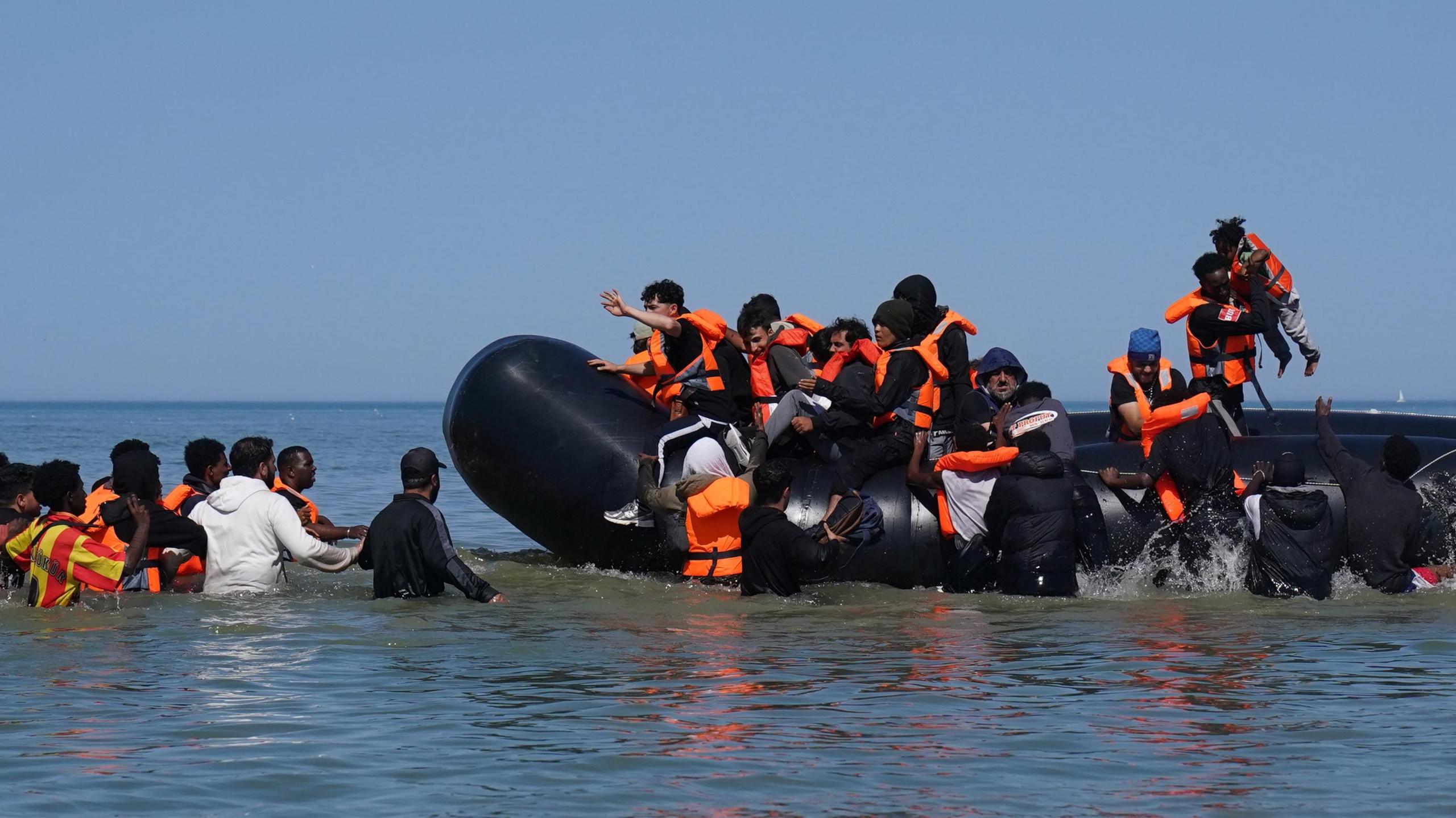
Despite the criticism, Reform UK's home affairs spokesperson Zia Yusuf defended the plan, claiming it is inspired by humanitarian missions and would comply with international law. He acknowledged potential diplomatic tensions with France but insisted on the UK's commitment to process migrants.78
As of now, official figures indicate that 14,526 migrants have entered the UK in 2026, a 43% decrease from the previous year, highlighting the ongoing complexities surrounding migration in the region.910
“Retired Royal Navy commander Tom Sharpe warned the UK has “basically none” of the ships needed and Paris could refuse to accept returned migrants. Reform's Zia Yusuf insisted France has a “commitment under international law” to process them, even as crossings so far in 2026 are 43% lower than last year.”
 The Guardian



