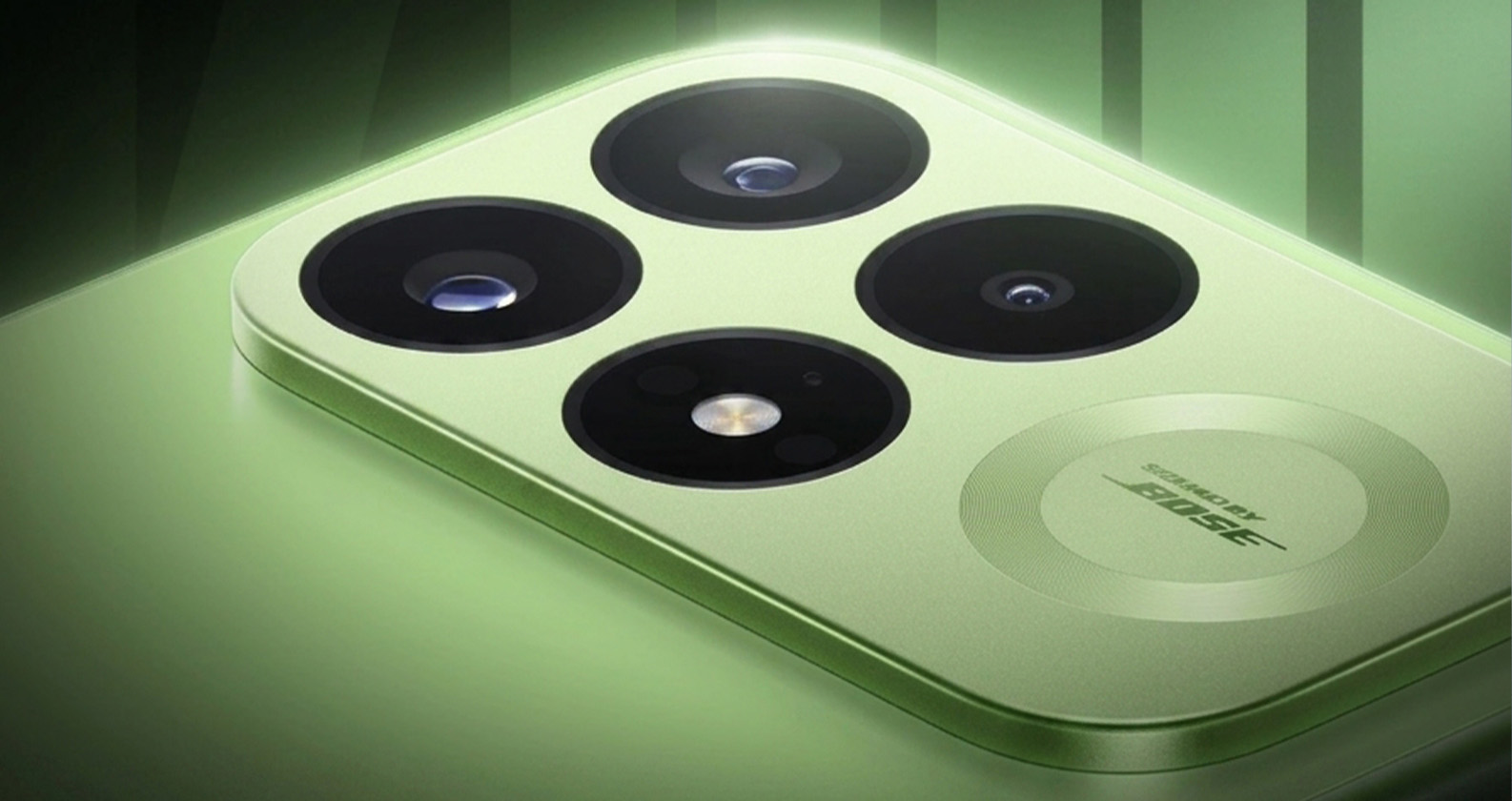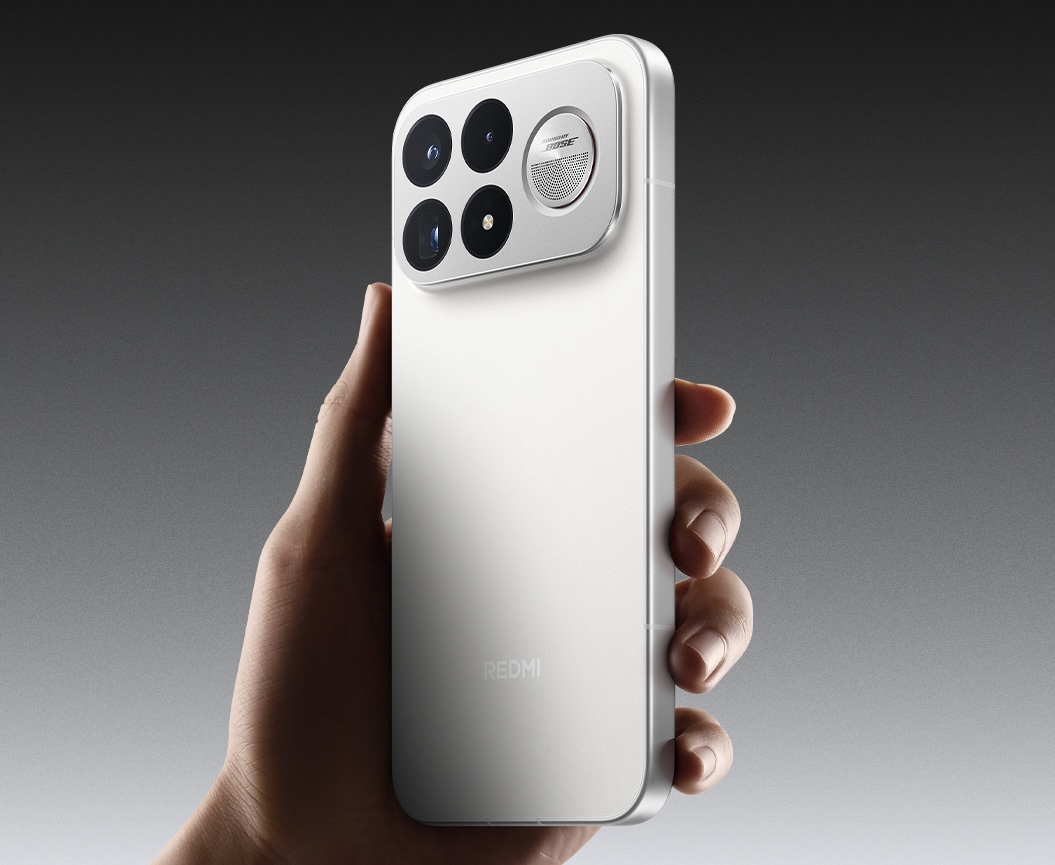
- Redmi K100 series is expected to launch on August 11.
- Fans suggest Redmi should jump directly to “K200” after the K100 completes its lifecycle.
- Redmi Product Manager Mia Xinxin publicly agrees that the name “K110” sounds “a bit strange”.
- Redmi may skip sequential numbering and jump to K200 for its next generation.
- Both K100 models are expected to feature a 185Hz gaming display mode, gaming antenna technology, and enhanced audio tuning.
- Skipping sequential numbering after the 100-mark is not unprecedented, as Honor and Vivo have historically made larger numeric jumps to signify substantial generational upgrades.
- While the mobile world waits for the August 11 launch to confirm the K100’s full capabilities, Redmi is already setting the stage for an even bigger leap with the rumored K200.
Redmi's K100 series is set to launch on August 11, featuring premium models like the K100 Pro and K100 Pro Max first, while the standard K100 will be released later. The K100 Pro will utilize the Snapdragon 8 Elite Gen 5 V Series platform, and the Pro Max will feature the standard Snapdragon 8 Elite Gen 5 chipset.18
Both models are designed for gaming, boasting a 185Hz gaming display mode and dedicated gaming antenna technology for stable connections. Enhanced audio tuning will provide an immersive experience for users.56
In a surprising twist, the brand may skip the sequential numbering of its K-series, potentially jumping to the K200 model. This speculation was fueled by product manager Mia Xinxin, who stated that the name K110 sounds 'a bit strange'. Such a move is not unprecedented, as other brands like Honor and Vivo have also abandoned sequential numbering after reaching significant milestones.347
As the mobile world anticipates the K100's capabilities, Redmi is already setting the stage for a potential leap with the rumored K200.
“The K100 series is expected to feature a 185Hz gaming display mode, dedicated gaming antenna technology, and enhanced audio tuning. Skipping sequential numbering after the 100-mark is not unprecedented, as Honor and Vivo have historically made larger numeric jumps for generational upgrades.”
 Nokiamob