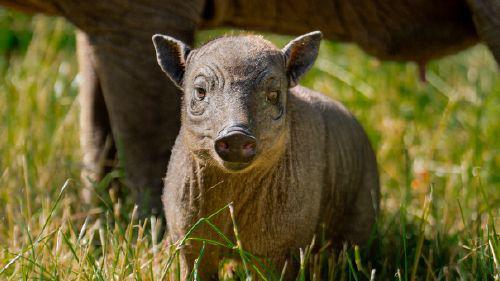
- Rana, a critically endangered babirusa piglet, was born at Chester Zoo, weighing between 300 and 500 grams and described as 'a grapefruit with legs'.
- Matano, Rana's mother, was born at Chester Zoo 11 years ago and has now had five piglets.
- Babirusas are found on only four Indonesian islands and are being wiped out due to African swine fever that arrived five years ago.
- The IUCN is expected to upgrade babirusas from 'Vulnerable' to 'Critically Endangered' due to their declining numbers.
- Chester Zoo staff monitored Matano and Rana remotely via a baby monitor until they were ready to be seen by visitors.
- Hannah Owens, assistant team manager, stated that Rana's birth is a 'lifeline for the species' as babirusas face a rapid decline.
- Babirusas, also known as 'pig-deer', are unique animals that have been classified as 'Vulnerable' but are now facing a potential upgrade to 'Critically Endangered' status.
- The African swine fever outbreak has significantly impacted babirusa populations, leading to a rapid decline in their numbers.
- Babirusas typically have one or two piglets at a time, which contributes to their slow population recovery.
A critically endangered babirusa piglet named Rana was born at Chester Zoo, weighing between 300 and 500 grams and described as "the size of a grapefruit with legs." This birth is significant as babirusas, also known as "pig-deer," are facing extinction due to African swine fever that has devastated their populations on four Indonesian islands since it arrived five years ago.1249

Rana is the fifth piglet born to her mother, Matano, who was born at the zoo 11 years ago. Conservationists emphasize that piglets like Rana are a "lifeline for the species", as babirusas typically produce only one or two offspring at a time, making recovery slow when populations are threatened. Hannah Owens, a zookeeper, noted, "When she was born, she was tiny — about the size of a grapefruit, with legs. She's grown a lot and is doing really well."37
The International Union for Conservation of Nature (IUCN) is expected to upgrade the babirusa's status from vulnerable to critically endangered. Conservationist Amy Humphreys highlighted the ecological importance of babirusas, stating they help with forest regeneration by dropping seeds as they forage. The zoo is actively involved in breeding programs and has shared expertise with Indonesian partners to bolster babirusa populations.5
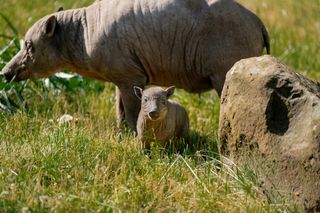
As the crisis escalates, conservationists are racing against time to protect this unique species, with Rana's birth symbolizing a glimmer of hope amidst the challenges they face.
“Rana is Matano's fifth piglet, and Matano now has descendants in zoos across Europe. The IUCN is expected to upgrade babirusas from 'Vulnerable' to 'Critically Endangered' after African swine fever hit their four Indonesian islands five years ago.”




