- El Nino has arrived in the tropical Pacific and is strengthening faster than many early forecasts suggested.
- The World Meteorological Organisation (WMO) expects El Nino to become a strong event in August-October, while US forecasters see a more than 90% chance of a very strong event in the Northern Hemisphere autumn and winter.
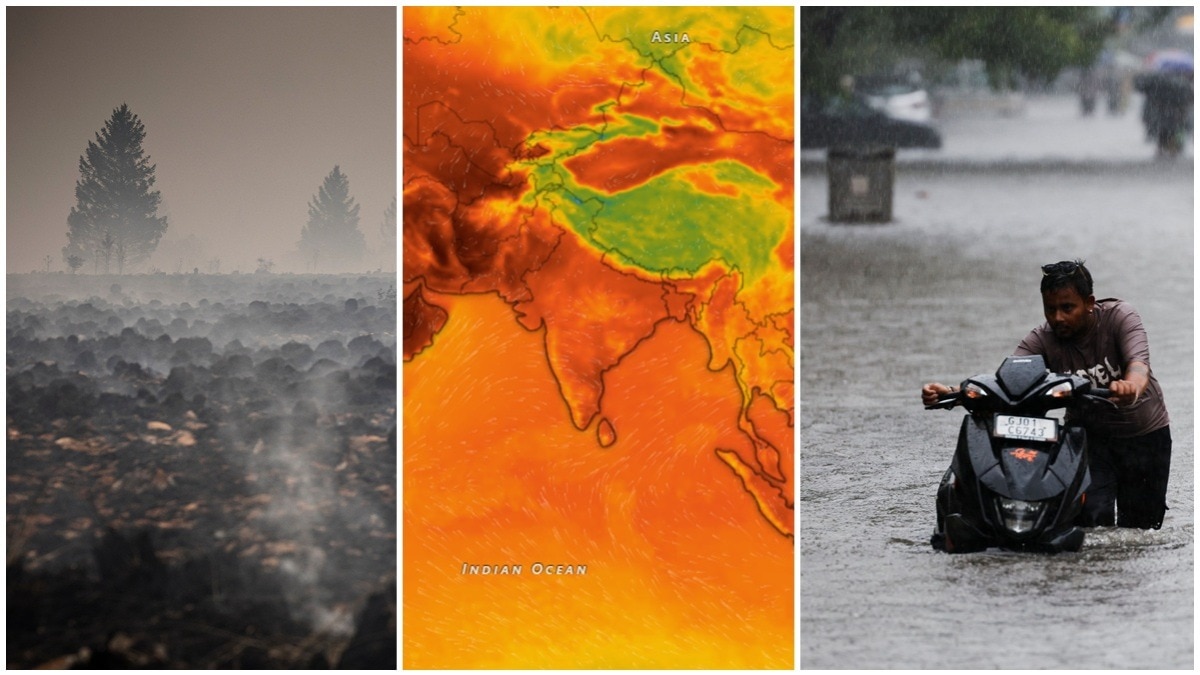
- In Indonesia, nearly 95,000 hectares were damaged by wildfires in July, according to authorities cited by Reuters.
- In India, June ended with a nearly 40% rainfall deficit, and as of August 19 the deficit since monsoon arrival on June 4 remains at 12%. The Indian Meteorological Department (IMD) warns that the strengthening El Nino raises the risk of a weaker finish to the monsoon.
- Vietnam and Indonesia together produce about half of the world's robusta coffee, and heat and dryness could cut yields.
- Estimates show that at least 49 million additional people could be pushed into acute food insecurity across 45 vulnerable countries by the end of 2027.
- The WMO expects Pacific sea-surface temperature anomalies to exceed 2.9°C in key monitoring regions, with El Nino peaking between September and December. Its effects could continue into 2027 as disrupted growing seasons translate into smaller harvests, higher food prices, and greater pressure on vulnerable populations.
El Nino is rapidly intensifying, with the World Meteorological Organisation (WMO) forecasting a strong event by late 2023. U.S. forecasters predict over a 90% chance of a very strong occurrence in the Northern Hemisphere autumn and winter.12
The WMO anticipates that Pacific sea-surface temperature anomalies could exceed 2.9°C in key monitoring regions, with the event expected to peak between September and December. This rapid strengthening raises concerns about widespread impacts, including severe droughts and food insecurity.910
In Indonesia, nearly 95,000 hectares were damaged by wildfires in July, highlighting the immediate effects of the phenomenon. The Indian Meteorological Department (IMD) warns that the strengthening El Nino could lead to a weaker finish to the monsoon, exacerbating the situation.34567
The repercussions of this event could extend into 2027, with estimates suggesting that at least 49 million additional people could face acute food insecurity across 45 vulnerable countries due to disrupted growing seasons and rising food prices.8
As the world's most populous country, China has already experienced a 40% rainfall deficit as of June, and the rainfall deficit since the monsoon's arrival on June 4 remains at 12%.
The combined effects of El Nino on agriculture, particularly in regions like Vietnam and Indonesia, which produce about half of the world's robusta coffee, could lead to significant yield reductions due to heat and dryness.
“WMO projects Pacific sea-surface temperature anomalies to exceed 2.9°C, with El Nino peaking between September and December. Indonesia saw nearly 95,000 hectares burned in July, while India's monsoon deficit remains at 12% as of August 19, threatening crops and food security.”