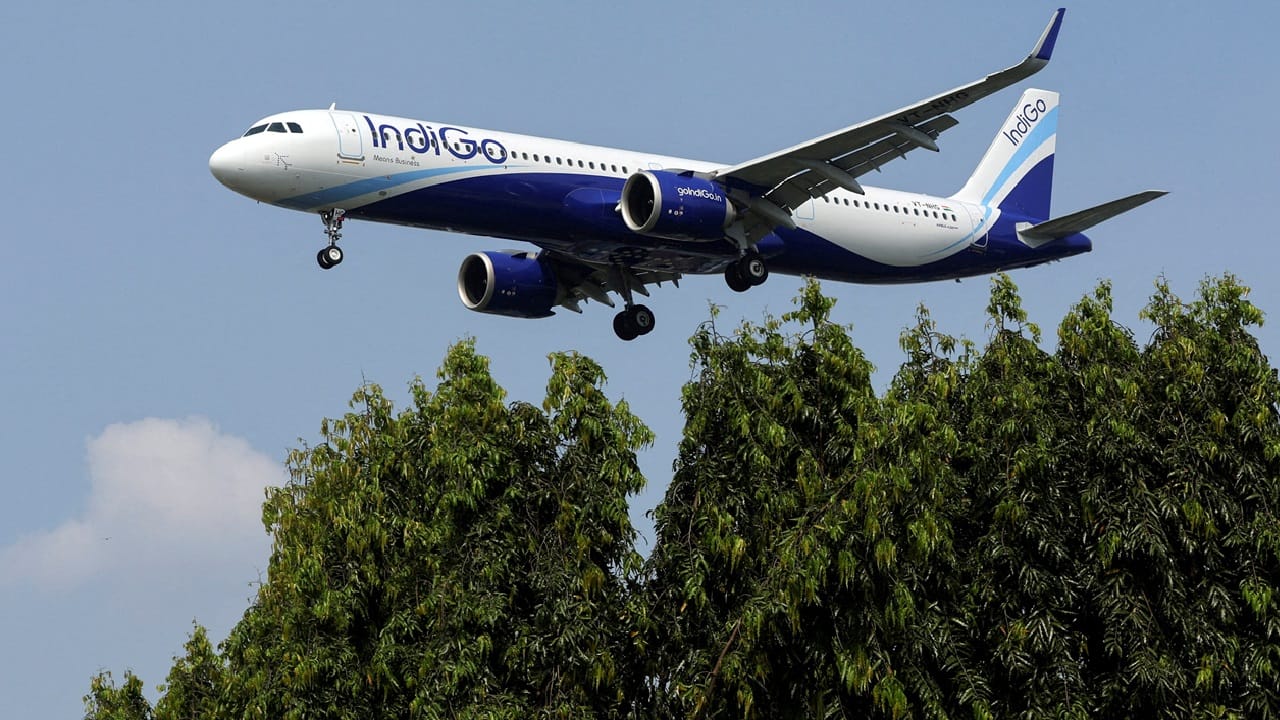
- IndiGo began operations on August 4, 2006, with Airbus A320 aircraft connecting Delhi, Guwahati, and Imphal, eventually becoming India's largest airline.
- In 2023, IndiGo placed the world's largest single aircraft order — 500 Airbus A320 Family jets — and doubled its A350-900 order to 60 aircraft.
- Rahul Bhatia stated that Gulf carriers have captured much of India's international traffic, emphasizing that the onus lies with airlines like IndiGo and Air India to bring that economic wealth back.
- IndiGo is targeting a bigger global push to connect diaspora traffic through India, while Bhatia insists the airline's heart remains its domestic network.
- Willie Walsh takes over as IndiGo CEO on August 3, just before the airline marks its 20th anniversary.
- IndiGo operates a fleet of over 430 aircraft, serving more than 95 domestic and over 40 international destinations.
- Bhatia highlighted that maintaining cost leadership is central to IndiGo's strategy, which has been key to expanding India's aviation market.
- Bhatia noted that while IndiGo aspires to be a global carrier, its heart remains in the domestic network.
IndiGo, marking its 20th anniversary, is set for a major international expansion under co-founder Rahul Bhatia's vision. "The onus lies with airlines like IndiGo and Air India to bring all that economic wealth back," he stated, highlighting the need for Indian carriers to capture international traffic currently dominated by Gulf airlines.13
With a domestic market share exceeding 66%, IndiGo plans to enhance its global footprint by connecting more overseas destinations and serving the Indian diaspora. The airline is set to induct Airbus A321 XLR aircraft and has ambitious plans for Airbus A350 deliveries starting in 2028. "We have an extensive network in India, we can connect into a hub and fly people to the world," Bhatia noted, emphasizing the airline's strategy to leverage its domestic strength for international growth.

Despite its aspirations, Bhatia maintains that IndiGo remains primarily a domestic carrier, stating, "...the heart of the company is really the domestic network we have." The airline's Vision 2030 targets include a fleet of over 550 aircraft and international capacity reaching 40% of its network. Bhatia expressed confidence in IndiGo's growth potential, stating, "We will see how things evolve over the next few years. My own view is we are pretty well set till 2035." As the airline prepares for leadership transition with Willie Walsh as CEO, it aims to redefine its role in global aviation while maintaining cost leadership.57
IndiGo's journey began in 2006, and it has since transformed air travel in India, now operating over 430 aircraft and serving more than 40 international destinations. "Absolutely without a question," Bhatia affirmed when asked about connecting countries with large Indian diaspora populations through India.6
“IndiGo, which commands more than 66% of India's domestic market, will mark 20 years of operations on August 4 with Willie Walsh taking over as CEO a day earlier. Bhatia called cost leadership central, saying losing control of it “is the start of the beginning of the end.””




