- Eternal reported a profit miss in Q1FY27, with earnings falling short of expectations, while its consolidated revenue reached ₹20,211 crore, exceeding the CNBC-TV18 poll estimate of ₹19,850 crore.
- Eternal's founder, Deepinder Goyal, stated that the lower profit was a deliberate decision to prioritize long-term market expansion over short-term margins.
- Ema, an AI startup, is seeking $80 million in funding, which would value the company at approximately $800 million, significantly higher than its previous funding rounds.
- Paytm Postpaid experienced a growth of 45% in Q1FY27, significantly outpacing the company's overall revenue growth of 28%.
- Blinkit has expanded its operations by opening 200 new dark stores and increasing its daily orders to over 3.6 million, marking an 87% YoY increase.
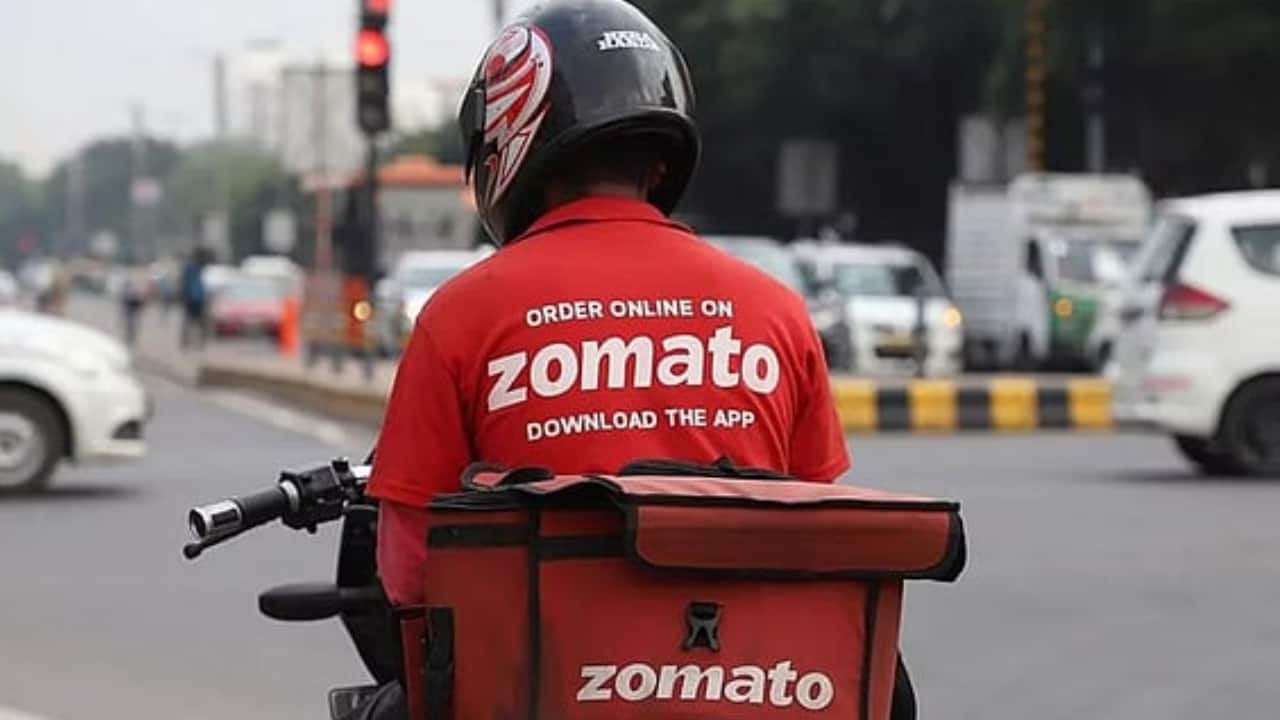
Eternal's Q1 profits fell as competition in quick commerce escalated, despite a revenue rise to ₹20,211 crore, surpassing estimates. Founder Deepinder Goyal emphasized long-term growth over short-term margins, while AI startup Ema eyes $80 million in funding, potentially valuing it at $800 million.123456
Eternal's performance reflects a strategic focus on market expansion, with Goyal criticizing rivals like Swiggy and Rapido for failing to innovate. The company reported over 3.6 million daily orders, a 87% YoY increase, and opened 200 new dark stores to enhance its reach.89
In the financial sector, Paytm Postpaid experienced a 45% growth in Q1FY27, driven by a shift to the UPI network for small-ticket credit, despite a rocky past with regulatory challenges. CFO Madhur Deora noted the rapid adoption of the service, which now reaches both legacy and new customers.7
As competition heats up in both quick commerce and fintech, companies are adapting strategies to maintain growth and market share.
“Eternal's Q1 revenue hit ₹20,211 crore, beating estimates, as Blinkit delivered 3.6 million daily orders and opened 200 new dark stores. Ema, founded by ex-Coinbase and ex-Google execs, is valued at $800 million, while Paytm Postpaid's controversial past contrasts with its current 45% segment growth.”
 LinkedIn



