- Qatar's prime minister, Sheikh Mohammed bin Abdulrahman al-Thani, will visit Tehran on Thursday to discuss de-escalation and reviving dialogue between Iran and the United States.
- This visit aims to relaunch diplomacy after the U.S. and Iran exchanged accusations over economic sanctions.
- Qatar has played a crucial role as a back-channel negotiator and was instrumental in securing a ceasefire in June that temporarily halted hostilities.
- The ceasefire agreement collapsed in July, and the conflict is now nearing its sixth month with no diplomatic resolution in sight.
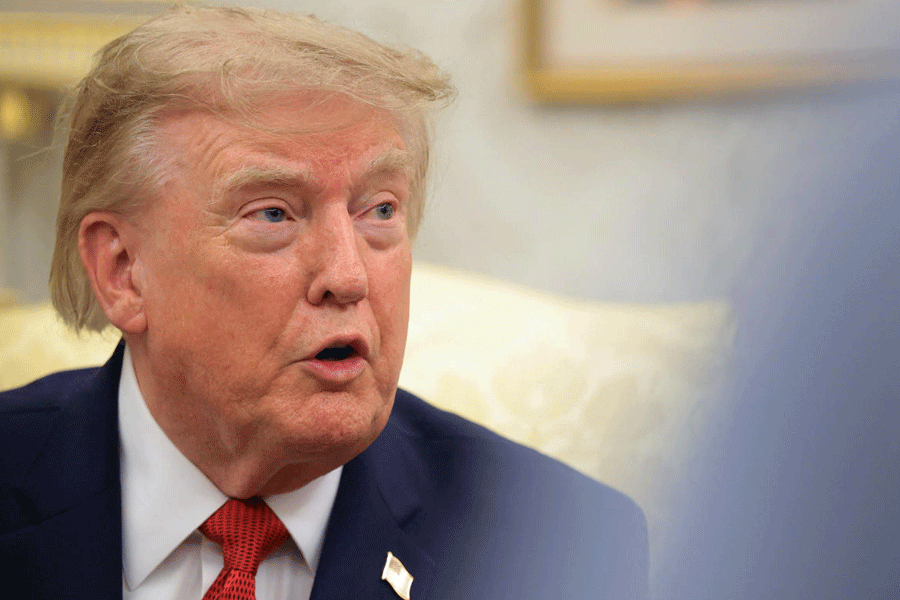
- US President Trump stated he is in 'no hurry' to resume talks with Iran, emphasizing the effectiveness of economic and military actions.
- Iran's foreign minister condemned the new sanctions as 'an act of state and economic terrorism'.
- The visit follows recent diplomatic efforts, including a visit from the Omani Foreign Minister and Pakistan's army chief to Tehran.
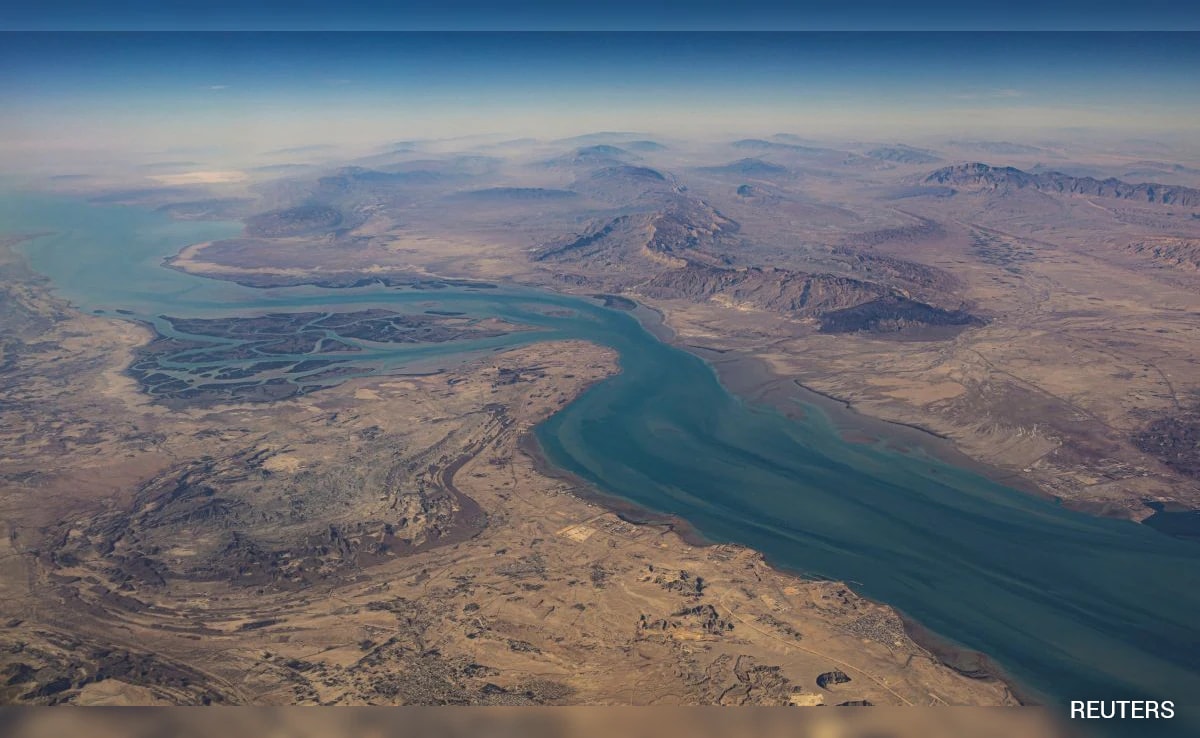
- The two nations remain in conflict over the Strait of Hormuz, a critical chokepoint for global oil supplies.
- Qatar's Foreign Ministry indicated that Sheikh Mohammed will also address freedom of navigation in the Strait of Hormuz during his meetings.
- Iran confirmed that discussions will include the continuation of Qatar's mediation efforts and other regional developments.
Qatar's Prime Minister Sheikh Mohammed bin Abdulrahman al-Thani will visit Tehran on Thursday to mediate ongoing tensions between Iran and the United States. This visit aims to revive dialogue and address critical issues, including freedom of navigation in the Strait of Hormuz.910
The visit comes as the conflict nears its sixth month, with fighting largely paused but no diplomatic breakthrough in sight. Qatar has previously acted as a back-channel negotiator, helping to secure a ceasefire in June that was short-lived. Majed al-Ansari, a spokesman for Qatar’s Ministry of Foreign Affairs, stated that Sheikh Mohammed will meet with several Iranian officials to discuss ways to de-escalate tensions and create conditions conducive to dialogue.34

Iran confirmed the visit, indicating that discussions will cover the continuation of Qatar’s mediation efforts and other regional developments. The Qatari Foreign Ministry emphasized the need to return the waterway to its status quo prior to February 28, highlighting the importance of diplomatic solutions for regional security and stability.
Despite these efforts, tensions remain high, with the U.S. and Iran trading accusations over sanctions and military actions. U.S. President Donald Trump recently stated he was in “no hurry” to resume talks, believing that economic pressure is effective. Meanwhile, Iranian Foreign Minister Abbas Araghchi condemned the new sanctions as “an act of state and economic terrorism,” urging the international community to reject them.
“The visit follows Omani and Pakistani diplomatic efforts this week, with Iran's deputy foreign minister insisting the Strait of Hormuz will not reopen until the US lifts sanctions and releases frozen assets. Meanwhile, US President Trump said he is in 'no hurry' to resume talks, saying economic and military action are effective.”