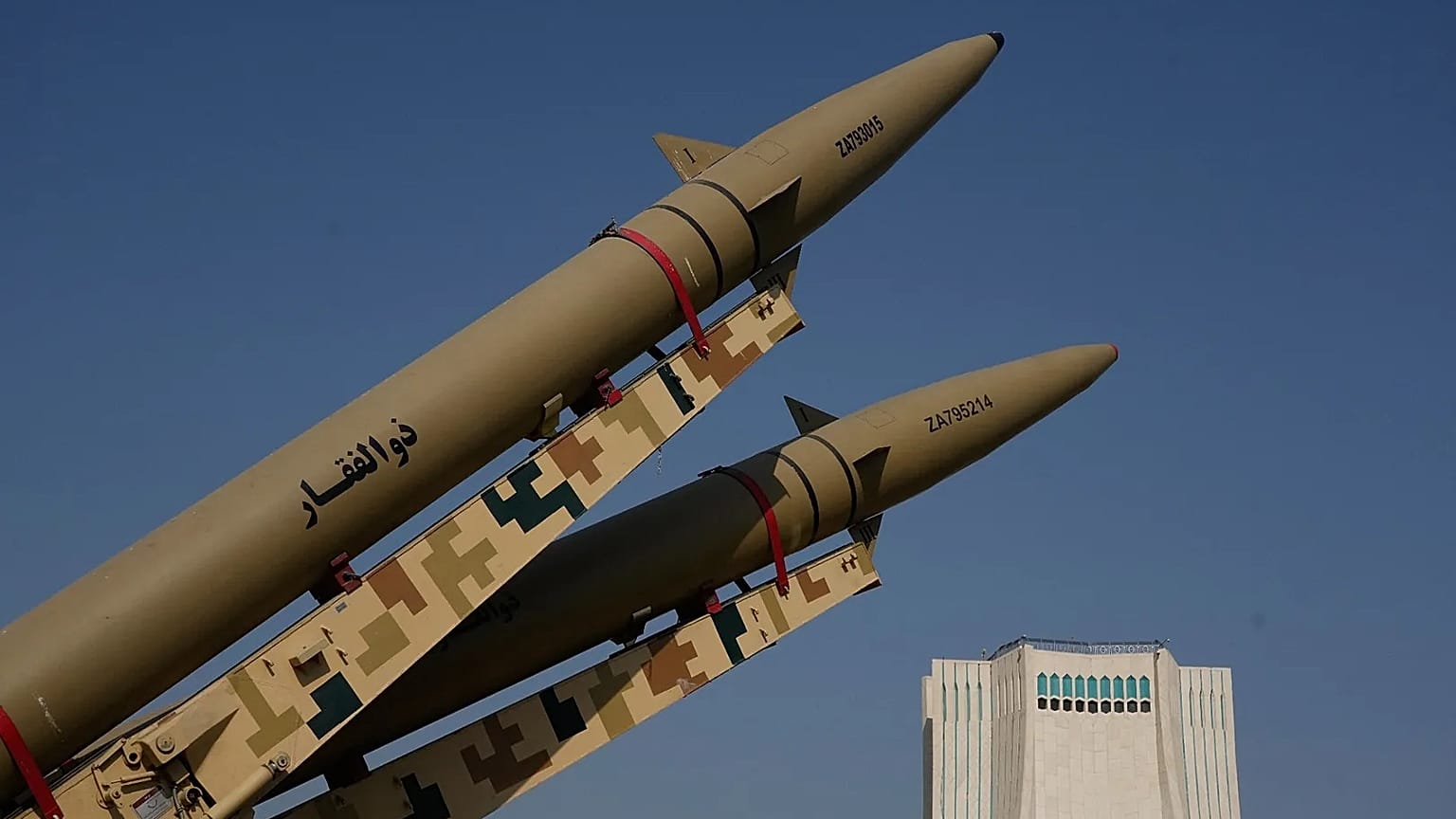
- Iranian strikes on the Ras Laffan LNG complex and a blockade of the Strait of Hormuz have significantly disrupted LNG exports.
- Qatar's Q1 2026 budget deficit reached QR10.3 billion ($2.83 billion) after revenues fell 23.5% year-over-year.
- To address the deficit, Qatar raised approximately $3 billion through bond issuances.
- The government has cut spending, with departments facing budget reductions of up to 30% and overseas aid slashed by about 85%.
- As of August 2026, Qatar has resumed partial LNG exports, indicating a stabilization of operations.
- The disruptions have cut Qatar’s LNG export capacity by roughly 17%, leading to annual revenue losses of approximately $20 billion.
- The International Monetary Fund has forecast that Qatar's economy will shrink by 8.6% this year, marking the largest contraction among the six Gulf states.
- Repairs to the Ras Laffan complex are expected to take between three and five years, impacting Qatar's export capacity for years.
- Qatar's sovereign debt situation is closely tied to geopolitical negotiations, with potential borrowing terms reflecting the state of the US-Iran relationship.
Qatar's economy is facing unprecedented challenges due to the US-Iran conflict and disruptions in the Strait of Hormuz, leading to a Q1 budget deficit of QR10.3 billion ($2.83 billion), a figure more than 20 times larger than the same period last year.7
The disruptions have cut LNG export capacity by roughly 17%, translating to annual revenue losses of approximately $20 billion. In the first quarter, LNG exports dropped 33% year-over-year, rattling global energy markets that relied on Qatar as a stable supplier.
To address the financial shortfall, the Qatari government raised $3 billion through bond issuances, marking a significant shift from its previous reliance on hydrocarbon revenues and reserves. S&P projects a 5% contraction in the economy, while Capital Economics warns of a potential 14% decline if disruptions persist.
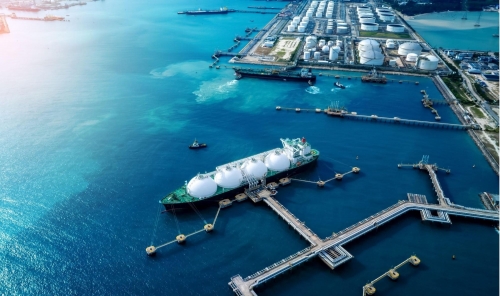
Repairs to the Ras Laffan LNG complex, damaged during the conflict, are expected to take three to five years, prolonging Qatar's reduced export capacity. Despite these challenges, a Qatari official expressed confidence in the country's ability to manage the crisis and maintain long-term economic plans, citing its experience with past crises.
The International Monetary Fund forecasts an 8.6% contraction for Qatar this year, the largest among Gulf states, raising concerns about the sustainability of government finances amid prolonged disruptions.8
“The Qatari government raised approximately $3 billion through bond issuances, a departure from years of staying out of debt markets. S&P projects a 5% contraction, while Capital Economics sees a potential 14% decline, and repairs to Ras Laffan could take three to five years.”
 Crypto Briefing
 News of Bahrain