- Center-2026 drills ran from September 28 through October 3, involving more than 47,000 personnel across 11 training grounds and the Caspian Sea.
- On October 2, Russian forces repelled an attack in the South Ural direction before switching to offensive operations to retake captured territory and create a security zone on neighboring land.
- Putin attended the drills at the Chebarkul training ground on October 2.
- Chinese troops completed their participation and began withdrawing after a closing ceremony in Chelyabinsk on Friday.
- Military exercises rehearsed an offensive into the territory of a neighboring Central Asian state and the creation of a security zone there.
- Kazakhstan is the only Central Asian country that shares a land border with Russia, directly bordering the Chelyabinsk region.
- Chinese military expert Song Zhongping highlighted lessons from modern warfare, including drone threats to armored formations.
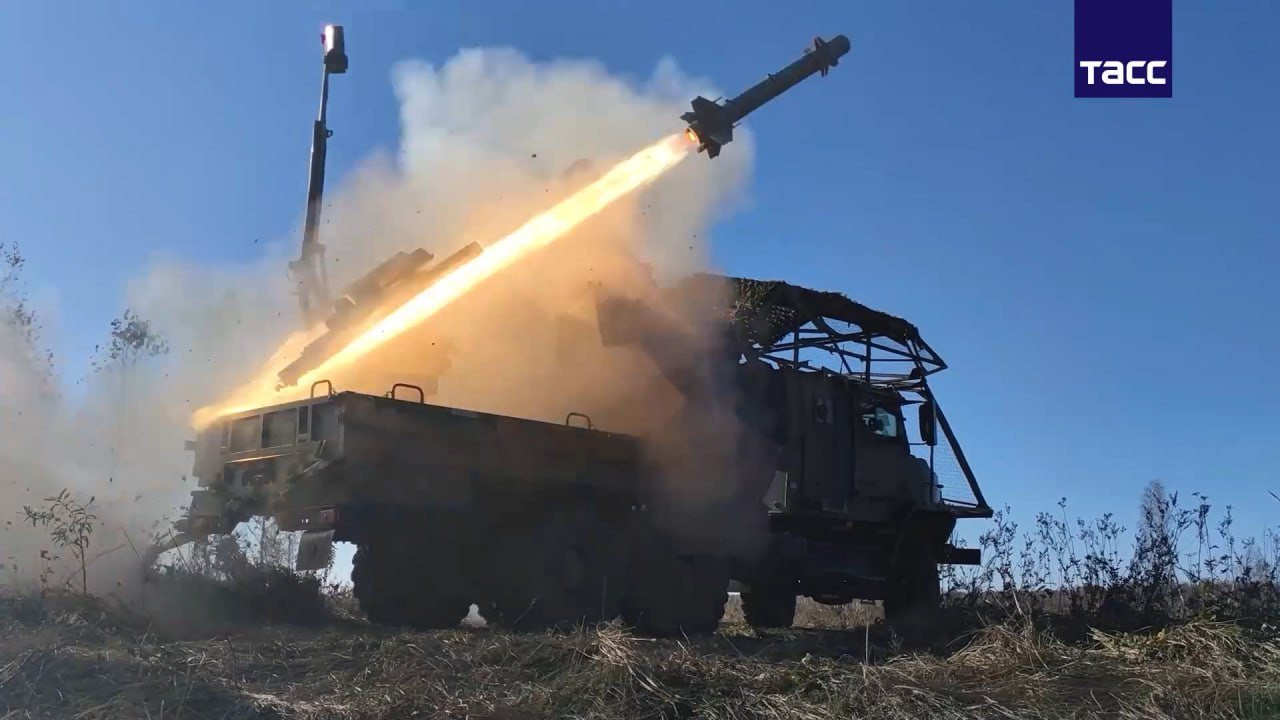
Russian military exercises in Chelyabinsk, known as Center-2026, involved over 47,000 personnel and simulated an offensive into Central Asia, particularly targeting Kazakhstan, which shares a border with the region. The drills, running from September 28 to October 3, included 2,000 pieces of military equipment, 90 aircraft, and 77 warships.56
Russian Deputy Defense Minister Yunus-Bek Yevkurov reported that forces were conducting offensive operations to establish a security zone on neighboring territory. The exercises featured a range of military assets, including T-14 Armata tanks and anti-landing operations by the Caspian Flotilla.
The drills also saw participation from military contingents from Belarus, China, Kyrgyzstan, Mongolia, Pakistan, and Tajikistan, with Kazakhstan represented by an operational group. Chinese forces, drawn from the PLA Central Theater Command, practiced advanced tactics, including three-dimensional reconnaissance and integrated fire strikes, utilizing Type 99A tanks alongside drones.
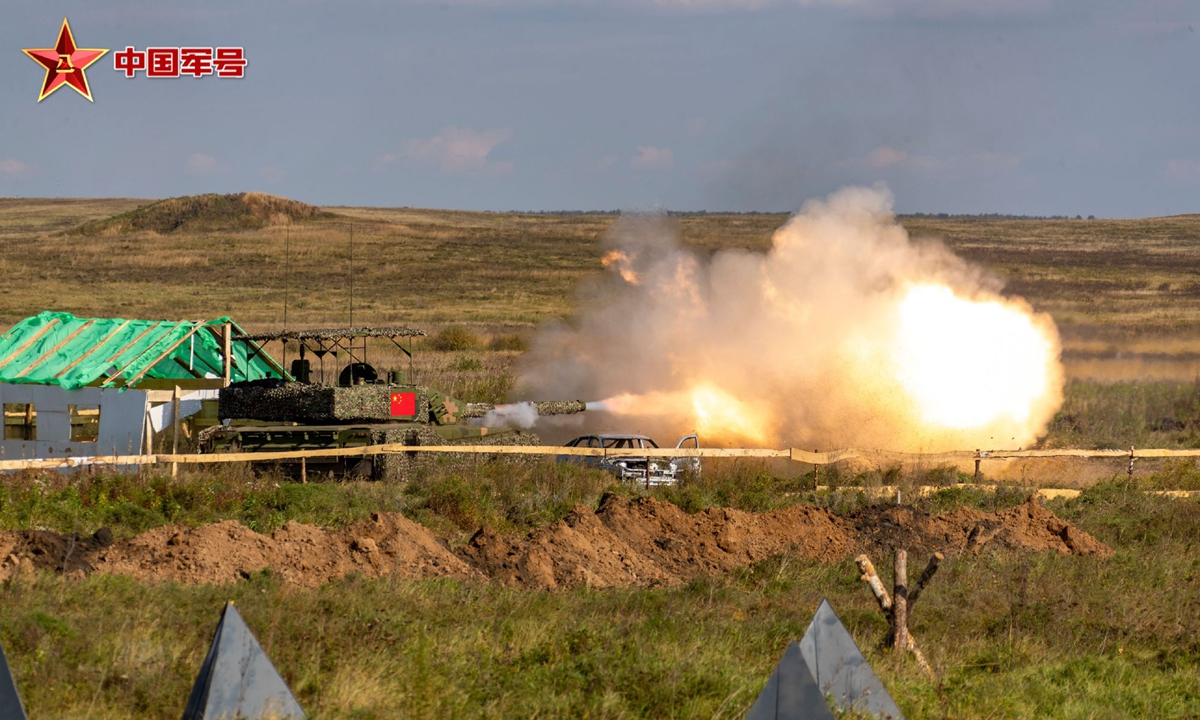
According to military expert Song Zhongping, the exercises provided valuable lessons on modern combat, particularly regarding the vulnerabilities of armored formations to drone attacks. This reflects a shift towards integrating unmanned systems with traditional military platforms, enhancing battlefield effectiveness and survivability.
The Center-2026 exercises underscore the growing military collaboration between Russia and China amid increasing regional tensions, as both nations adapt to evolving warfare dynamics.
“The exercise scenario included repelling an attack in the South Ural direction before launching offensive operations to create a security zone on adjacent territory, as Deputy Defense Minister Yevkurov reported. Chinese troops, drawn from the PLA Central Theater Command, practiced drone swarm coordination and integrated fire strikes, with expert Song Zhongping noting lessons on drone threats to armored formations.”
 UNITED24 Media