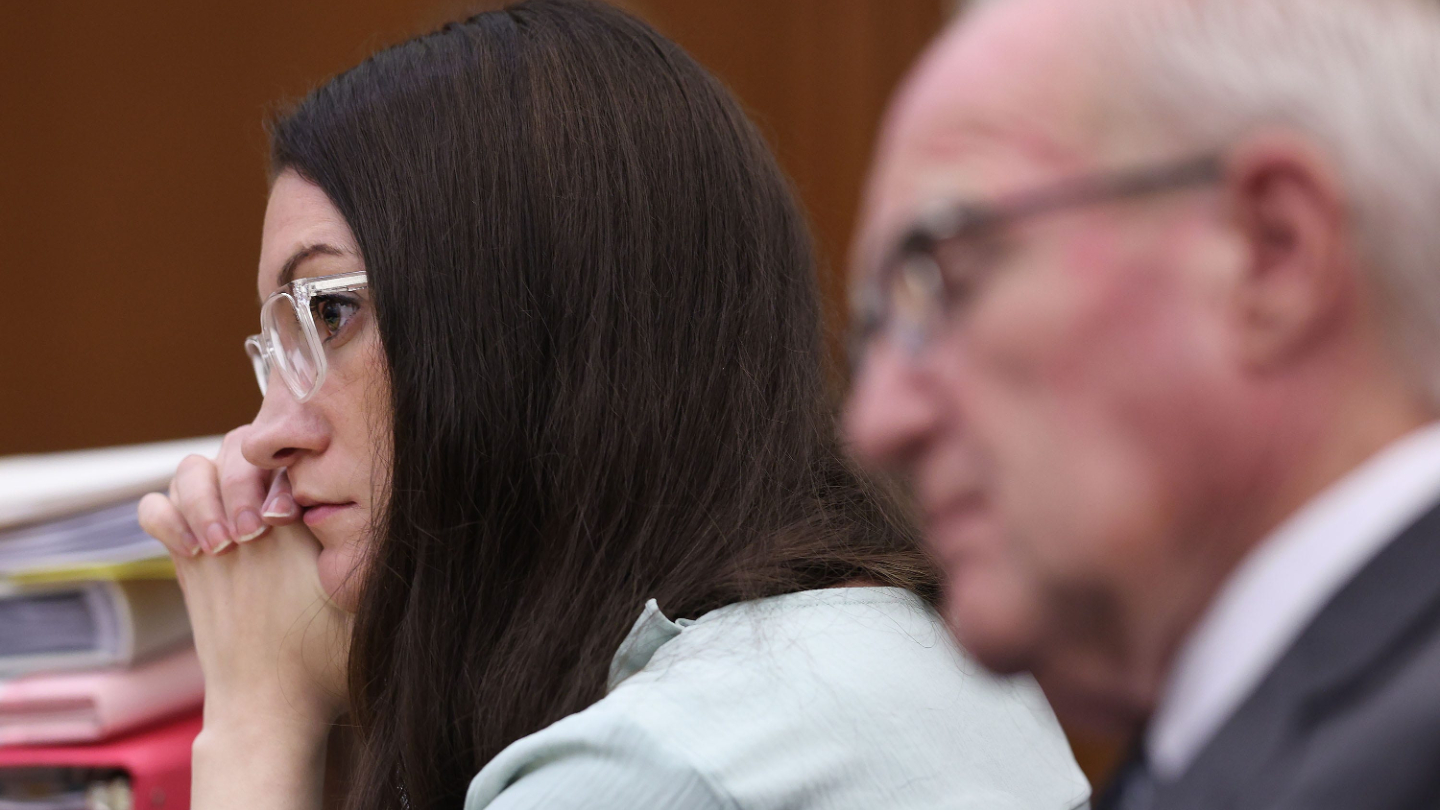
- Lindsay Clancy didn’t appreciate the “wrongfulness” of killing her three children because of her mental-health issues, a psychologist testifying for the defence said at her murder trial.
- The testimony of Paul Zeizel is the strongest evidence yet to support the defence contentions that Clancy should not be held legally responsible for murder because she has bipolar disorder and was in the grip of a rare mental illness called postpartum psychosis when she killed her three children before trying to kill herself.
- Lindsay Clancy, 36, has pleaded not guilty to murder charges in the deaths of Callan, Dawson and Cora Clancy, who ranged from eight months to five years old.
- Zeizel stated, “She was unable to conform her behavior to the rule of law. She had no appreciation for the wrongfulness of her act,” adding that she had “a mental disease or a defect.”
- Zeizel noted, “She really loves them and misses them and thinks of them every single day, almost every moment of the day.”
- Postpartum psychosis is linked to the stress, sleep deprivation and hormonal changes that follow childbirth.
- Researchers estimate that the condition — which is more serious and less common than postpartum depression — afflicts one to two per 1,000 women after delivery.
- Zeizel, who said he spent more than 35 hours with Clancy over dozens of visits and reviewed her medical records, said she went to a perinatal clinic in December 2022 because she felt her “brain was damaged,” “she should kill herself” and that she “is never going to get any better.”
Lindsay Clancy, 36, is on trial for the murder of her three children, aged eight months to five years. During the trial, psychologist Paul Zeizel testified that Clancy's mental health issues, including bipolar disorder and postpartum psychosis, impaired her ability to understand the wrongfulness of her actions.1236
Zeizel, who spent over 35 hours with Clancy and reviewed her medical records, stated that she sought help at a perinatal clinic in December 2022, expressing feelings of being “damaged” and suicidal. He emphasized that she was unable to conform her behavior to the law and had no appreciation for the wrongfulness of her act, attributing this to a “mental disease or defect.”
Postpartum psychosis, which affects one to two per 1,000 women after childbirth, is characterized by severe symptoms linked to stress, sleep deprivation, and hormonal changes. Zeizel's testimony is pivotal for the defense, arguing that Clancy should not be held legally responsible for her actions due to her mental state at the time of the incident.
“She really loves them and misses them and thinks of them every single day, almost every moment of the day,” Zeizel added, highlighting Clancy's emotional turmoil following the tragedy.5
“Paul Zeizel, the psychologist, stated that Clancy was in the grip of postpartum psychosis and bipolar disorder, which impaired her ability to conform her behavior to the law. He noted she expressed feelings of being 'damaged' and suicidal, emphasizing her ongoing love and grief for her children.”