- Priya Adhikari, Nepal's first woman helicopter captain, flew around 100 rescue missions in less than a week during the August 2026 floods.
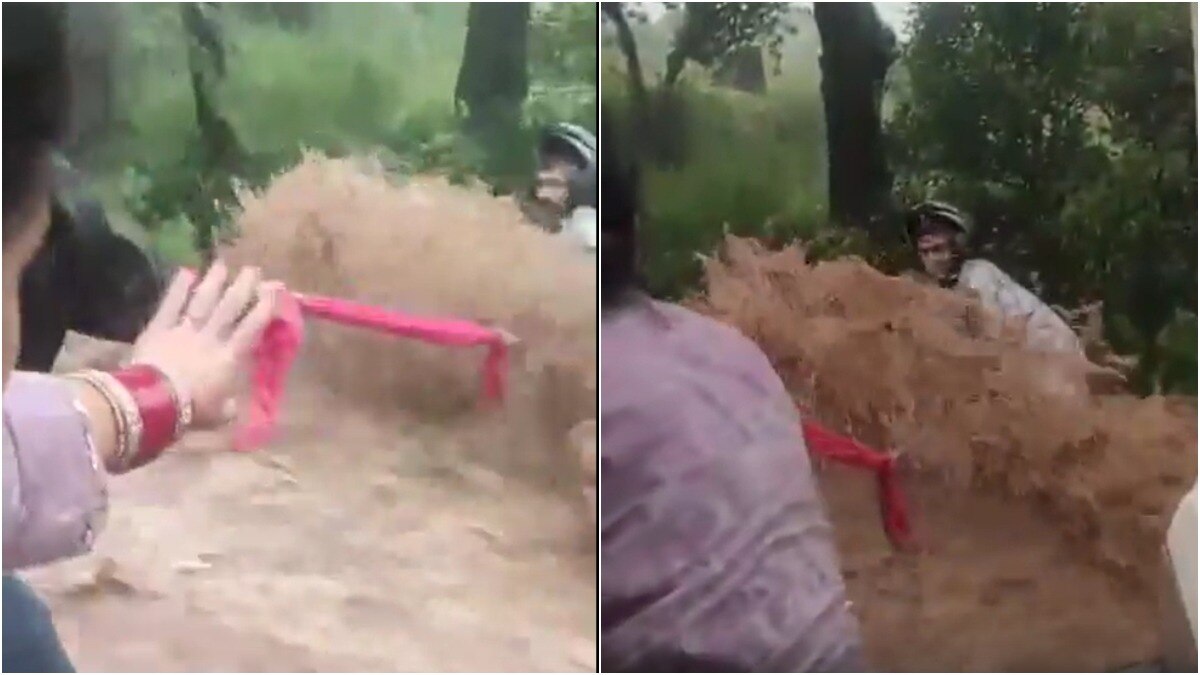
- The floods were triggered on 26 August 2026 by a glacial ice-and-rock collapse near the Nepal–Tibet frontier.
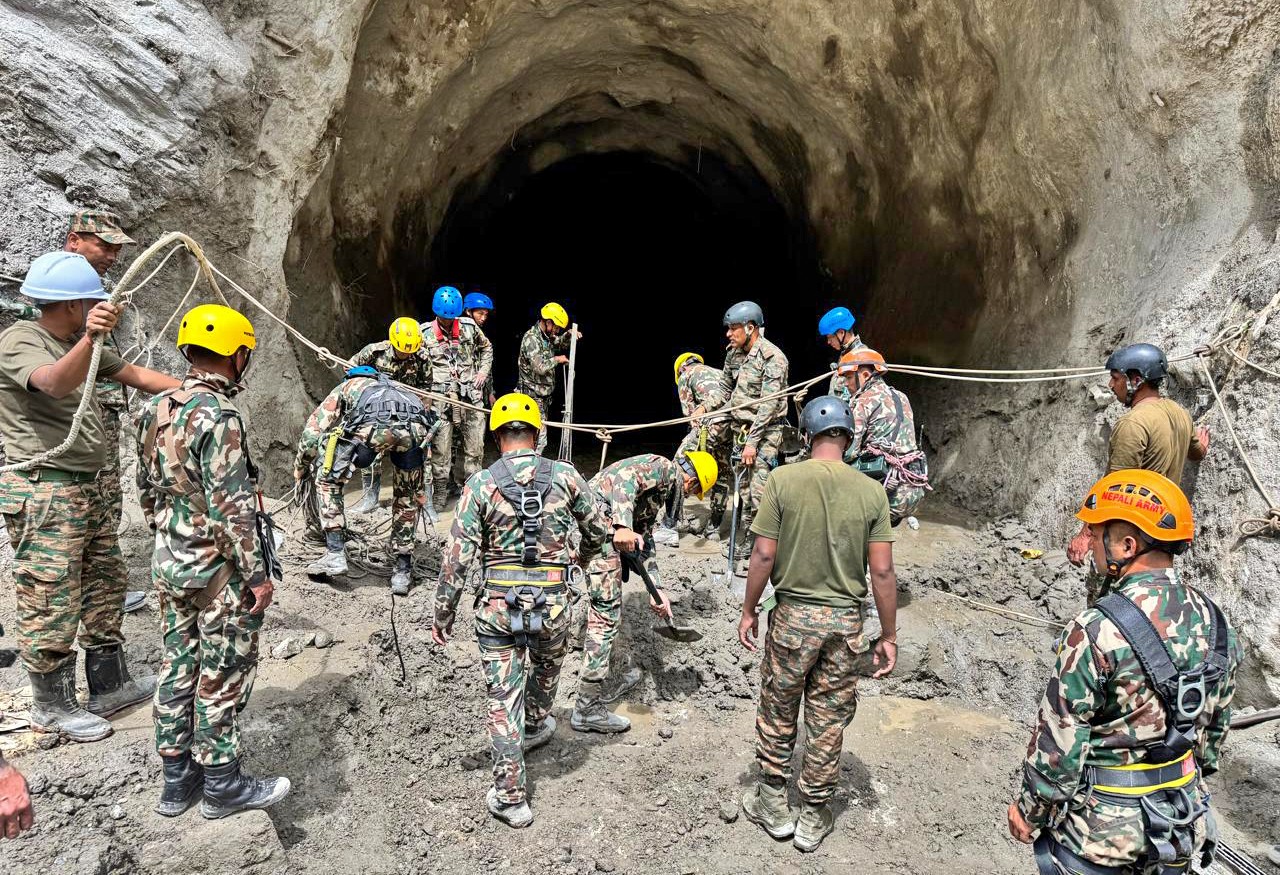
- Adhikari's missions included evacuating more than 200 people from Timure in the first two days, with around 20 helicopters involved.
- Adhikari described the operation as more challenging than the 2015 earthquake, citing unstable ground and bodies scattered across destroyed areas.
- Adhikari became Nepal's first woman helicopter captain in 2017 after years of training and flying.
- She has spent years conducting search-and-rescue operations in the Himalayas, including missions at extreme altitudes.
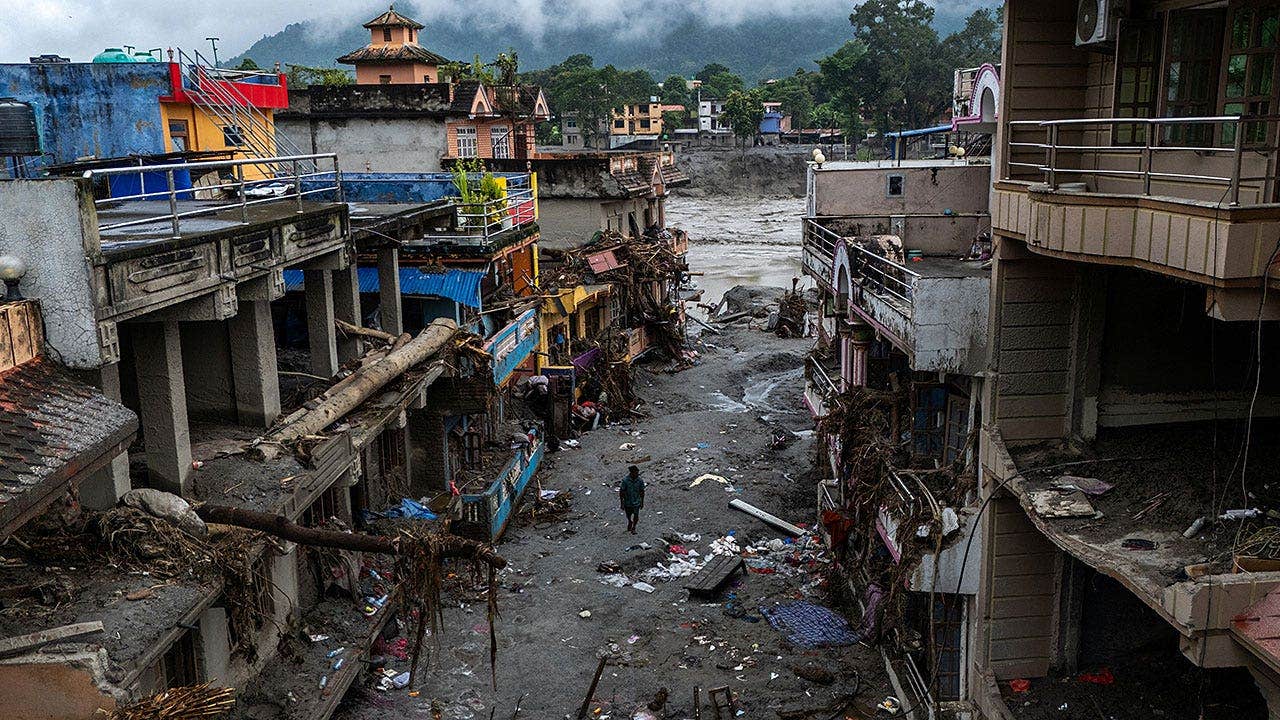
Priya Adhikari, Nepal's first female helicopter captain, has emerged as a pivotal figure in the ongoing rescue operations following catastrophic floods that began on August 26, 2026. The disaster was triggered by a glacial ice-and-rock collapse near the Nepal–Tibet border, unleashing a surge of debris that devastated settlements like Timure and Rasuwagadhi.1
Adhikari has flown approximately 100 rescue missions in just six days, navigating treacherous conditions that she described as more challenging than the 2015 Nepal earthquake. She noted that the destruction was concentrated in narrow valleys, complicating rescue efforts. “Everything is gone,” she remarked, referring to the obliterated hydropower projects and lives lost.4
During the initial days of the operation, over 200 survivors were evacuated from Timure, with Adhikari and around 20 helicopters working tirelessly in the area. The pilots faced unique challenges, including unstable ground conditions that prevented safe engine shutdowns after landing. “Five or six helicopters may have to land almost simultaneously to evacuate survivors,” she explained.3
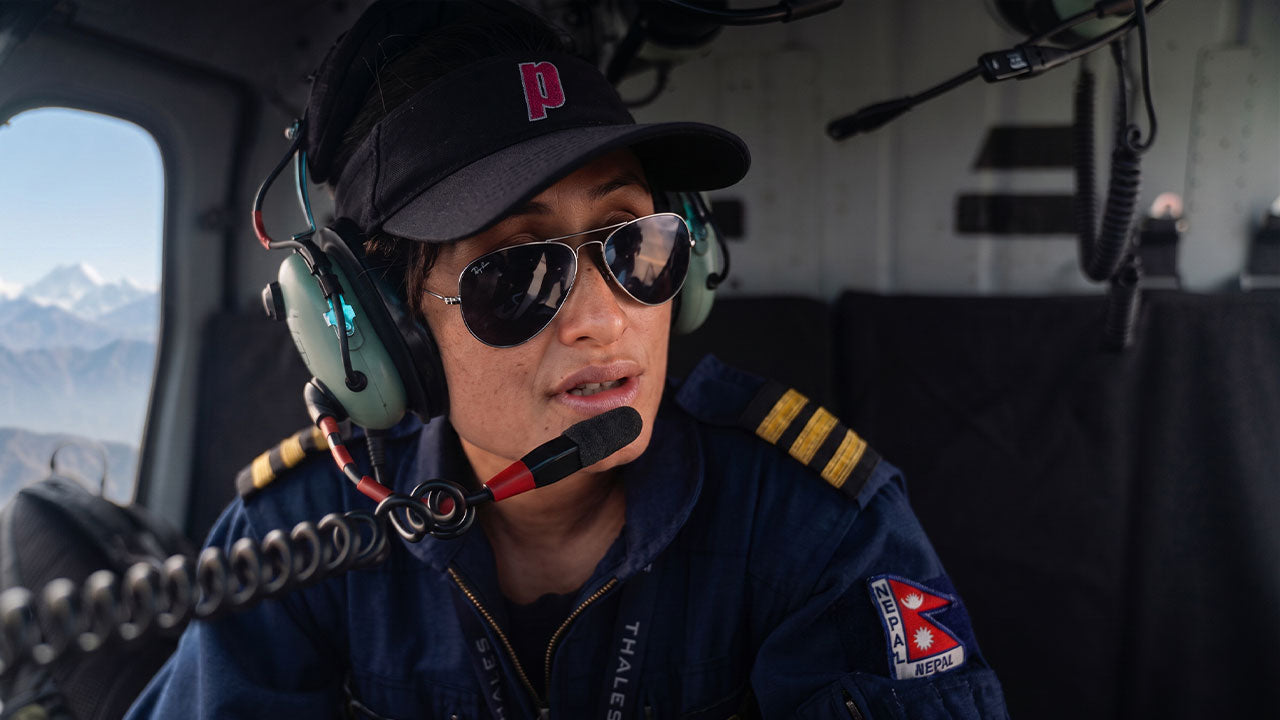
Adhikari's experience as a high-altitude rescue pilot, which began in 2017, has been crucial in these operations. She has previously rescued climbers at altitudes of up to 6,200 metres. Despite the exhaustion and chaos, she remains focused, stating, “I tell them they have survived,” as she continues her vital work amidst the devastation.5
The combined death toll across Nepal and Tibet is now in the high hundreds, with thousands still missing, including local residents and foreign pilgrims.
“Crews were exhausted. Coordination on the radio was constant,” Adhikari noted, highlighting the intense pressure faced by rescue teams.
“Adhikari, 41, operates in the flood-ravaged Timure area where about 20 helicopters worked, with five or six sometimes landing simultaneously. She noted body bags are among the most urgently needed supplies, and she saw bodies scattered across destroyed areas.”



 shop.ssbcrack.com