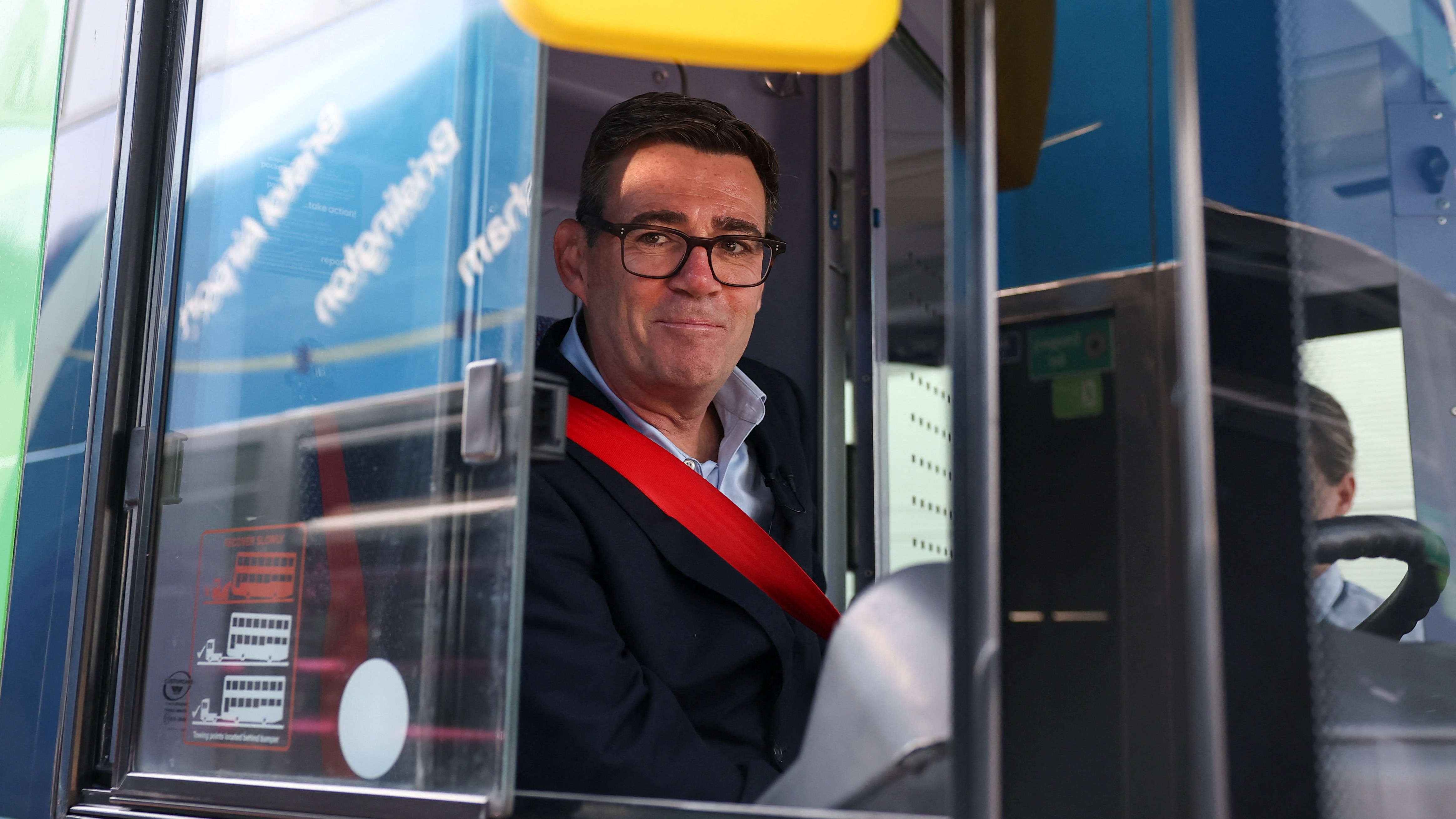
- Prime Minister Andy Burnham has announced a £2 cap on single bus fares across England from January, saying the move will help 'put money in people's pockets'.
- £400 million of the funding for the fare cap will come from switching investment in international climate finance to loans, with the rest from savings in the Department for Energy Security and Net Zero budget.
- Chancellor John Healey stated that 'millions of people' would benefit from fares being slashed by a third and insisted the measure could be paid for.
- Transport Secretary Heidi Alexander reassured that the scheme was 'fully funded' and emphasized that there would be no unfunded spending commitments from the government.
- Burnham stated that the £2 cap on bus fares would help alleviate cost-of-living pressures, emphasizing that it would be in place for the whole of 2027.
- Romilly Greenhill, chief executive of Bond, criticized the government for 'robbing Peter to pay Paul', expressing disappointment over the funding strategy.
- The nationwide cap is currently set at £3 until the end of March 2027, although some areas, including London and Greater Manchester, have lower top rates for single tickets.
- Burnham has made more than £1.5 billion in spending promises during his first three days as prime minister, including pledges to end rough sleeping and scrap VAT on energy bills.
- Kemi Badenoch, the Tory leader, criticized Burnham, stating he must 'rule out tax rises to pay for his spending spree'.
Prime Minister Andy Burnham has introduced a £2 cap on bus fares across England, effective January, aimed at alleviating cost-of-living pressures. He stated, 'It will put money in people's pockets,' during a visit to Bath.158
The funding for this initiative totals £454 million, with £400 million sourced from reallocating international climate finance from grants to loans, raising concerns among critics about the sustainability of such funding.2
Transport Secretary Heidi Alexander assured that the scheme is 'fully funded,' emphasizing that it adheres to fiscal rules. However, Shadow Chancellor Mel Stride expressed skepticism, suggesting it could lead to tax increases.4

Burnham's administration has made significant spending promises, including £1.5 billion in commitments within his first three days as prime minister, which include ending rough sleeping and scrapping VAT on energy bills. He insisted these measures are 'fully funded.'
Critics, including Kemi Badenoch, argue that capping bus fares does not address the underlying issues of rising costs, stating, 'Bus fares are expensive because fuel is expensive.'9
The cap, previously set at £3 until March 2027, reflects a shift in policy as Burnham aims to prioritize cost-of-living measures amidst ongoing economic challenges.
“The £454 million scheme includes £400 million reallocated from switching international climate finance grants to loans, with £54 million from Department for Energy Security and Net Zero underspends. Critics, including Shadow Chancellor Mel Stride and Tory leader Kemi Badenoch, warned of tax increases and accused Burnham of 'robbing Peter to pay Paul'.”


 The Times



