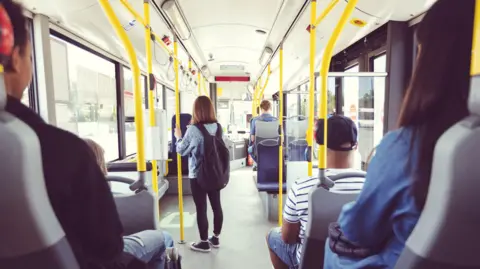
- Prime Minister Andy Burnham announced that the bus fare cap in England will revert to £2 from January.
- Transport Secretary Heidi Alexander said the measure gives people "a little bit of hope" but admitted it is "not the whole solution".
- Shadow Chancellor Mel Stride criticized the lack of clarity on where the money will come from, calling it a "worrying sign".
Prime Minister Andy Burnham has announced that most bus fares in England will be capped at £2 starting January, a significant reduction from the previous cap of £3 implemented under the former Labour government. This new fare cap is expected to cost over £500 million and aims to provide relief to citizens facing rising living costs, particularly in light of recent fuel price spikes attributed to geopolitical tensions, such as the US-Iran war.12
Transport Secretary Heidi Alexander emphasized that the measure offers 'a little bit of hope' during challenging economic times, although she acknowledged that it is 'not the whole solution'. The government plans to reallocate £454 million from the Department for Energy Security and Net Zero (DESN) budget, which was initially earmarked for international climate projects. However, Shadow Chancellor Mel Stride has raised concerns, stating that the government has not clarified the funding sources for this fare cap extension.
The fare cap will apply to participating buses outside of London, providing a much-needed financial break for commuters. As the cost of living continues to rise, this initiative is seen as a crucial step in supporting the public during a time of economic uncertainty.
“Transport Secretary Heidi Alexander said the £2 bus fare cap offers people 'a little bit of hope' amid higher living costs exacerbated by fuel price spikes from the US-Iran war, though she acknowledged it is 'not the whole solution'. Shadow Chancellor Mel Stride criticized the government for not specifying where the funding will come from, calling the lack of clarity a 'worrying sign'.”


 BBC
BBC



