 BBC
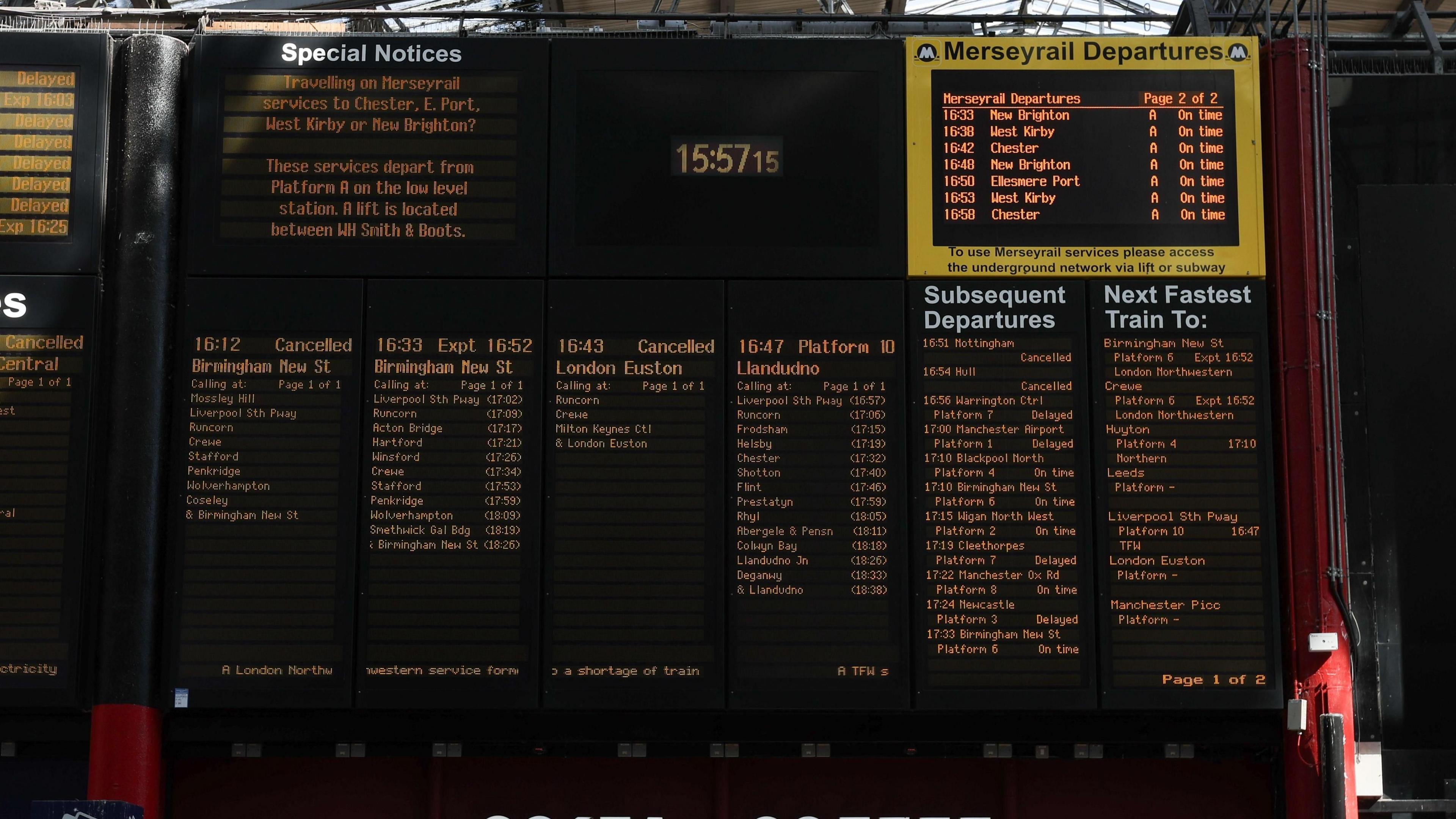
BBC- A 90-second power outage struck, affecting signalling systems and causing trains to stop.
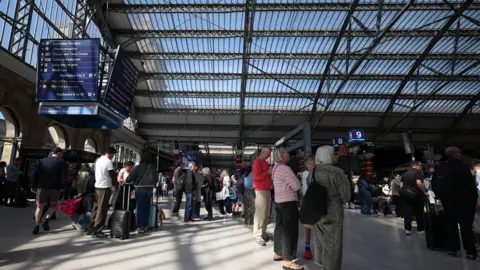
- Many services were cancelled and commuters faced "nightmare" diversions.
- Network Rail said services had largely been restored across the North West, but some disruption to TransPennine Express services remained while trains and crews returned to their usual positions.
- Mayor Bev Craig said she would ask Network Rail and train operating companies for an investigation into the cause and response, stating: "We need assurances that this cannot and will not happen again."
- The disruption had a wider impact, affecting trains in the West Midlands, with services from Birmingham New Street and London Euston delayed or cancelled.
- Network Rail has apologised and opened an investigation, with bosses saying engineers are working to "build additional resilience into our signalling systems to ensure that this doesn't happen again".
- Because signalling was affected, trains had to stop, and systems had to be rebooted. Damage to the signalling control systems required replacing parts, which took time to fix.
- Rail passengers described 'nightmare' journeys as a result of the outage.
- Experts have warned that consolidating operations means that if one centre is badly affected, the impact is much broader.
- Rail writer Christian Wolmar said the problem is that "if one thing goes wrong, it can wipe out, as we saw, quite a lot of the network", and questioned whether centralisation is the right approach.
- Rail engineer and writer Gareth Dennis linked the incident to funding pressures and job cuts at Network Rail, raising questions about staffing and resources.
- Network Rail will face scrutiny for how its systems coped and responded to the outage.
A power outage at Network Rail's Manchester Rail Operating Centre caused significant disruption to train services across northern England, affecting thousands of passengers. The outage, which lasted only 90 seconds, led to delays as backup systems failed to activate promptly, resulting in widespread cancellations and diversions.814
Many commuters described their journeys as a "nightmare". Shannon and Luke Harrison, whose train to Alderley Edge was cancelled, found themselves packed "like sardines" on a train to Stockport without air-conditioning. Luke remarked, "It was only 10 minutes, but I have never seen anything like it."10
Network Rail's route director for the North West, Chris Wright, stated, "We're continuing to work closely with train operators to return services to normal as quickly as possible." Despite services being largely restored, some disruptions to TransPennine Express services remained as trains and crews returned to their usual positions.3
Mayor Bev Craig has demanded an investigation into the incident, stating, "We need assurances that this cannot and will not happen again." The outage raised questions about the resilience of the rail network, with experts warning that centralization of operations could lead to broader impacts if one center fails. Rail writer Christian Wolmar noted, "If one thing goes wrong, it can wipe out, as we saw, quite a lot of the network."4512
Network Rail has apologized and is investigating the incident, aiming to enhance the resilience of its systems to prevent future occurrences.
“Network Rail's route director Chris Wright said engineers are working to 'build additional resilience into our signalling systems to ensure that this doesn't happen again.' Rail writer Christian Wolmar questioned whether centralising signalling into a small number of places is the right approach, noting 'if one thing goes wrong, it can wipe out quite a lot of the network.'”





