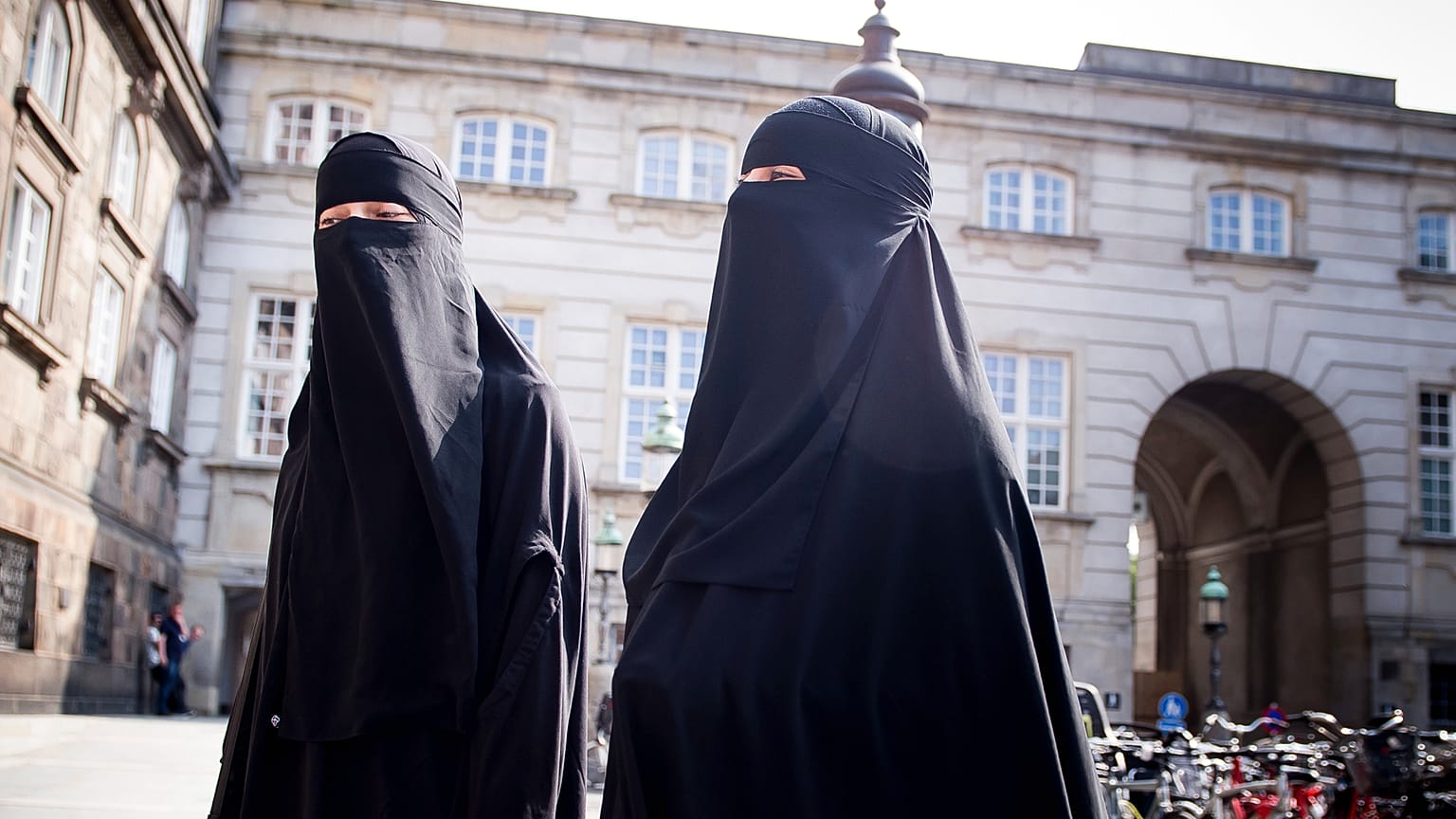
- Portugal's President António José Seguro has enacted a law banning face coverings in public spaces, a measure widely seen as targeting Muslim women who wear full-face veils.
- The law prohibits face-covering garments in public spaces and bans forcing someone to cover their face for gender, religion, age, or origin reasons, with fines ranging from €150 to €3,000.
- President Seguro stated that 'the face must be considered a central element of human identity and communication.'
- The bill was introduced by the far-right Chega party and passed parliament in July with a two-thirds majority, backed by the right-wing coalition and far-right parties, while left-wing parties voted against.
- Exemptions are provided for health, professional, artistic, or weather-related reasons, as well as in places of worship, diplomatic missions, and on aircraft.
- Human rights groups, including Amnesty International, argue that the law disproportionately targets Muslim women, limits religious freedom, and restricts personal autonomy.
- Proponents contend the measure is necessary to uphold gender equality, national security, and transparent public communication.
- At least 24 countries worldwide have enacted full or partial bans on the burqa and niqab, spanning across Europe, Africa, and Asia.
Portugal's President António José Seguro has enacted a law banning face coverings in public spaces, widely seen as targeting Muslim women. The legislation, dubbed the "burqa law," prohibits clothing designed to conceal the face and imposes fines ranging from €150 to €3,000 for violators.1
The law, which received support from the right-wing governing coalition and far-right parties, has been criticized by left-wing parties and human rights groups. Seguro stated, "The face must be considered a central element of human identity and communication," acknowledging the law's social sensitivity.7
Opponents argue that the law fuels Islamophobia and restricts personal autonomy. The centre-left Socialist Party (PS) condemned the bill for its "Islamophobic purpose," while the Portuguese Communist Party (PCP) claimed it was aimed at inciting hate speech against minorities.
The legislation has drawn comparisons to similar bans in at least 24 countries, including France and Belgium, which have enacted full or partial bans on the burqa and niqab. Proponents argue the measure is necessary for gender equality and national security, while critics warn it undermines religious freedom and social cohesion.9
As the debate continues, the law's implications for Portugal's multicultural society remain a contentious issue.
“The law, introduced by the far-right Chega party, passed with a two-thirds majority in July, backed by the right-wing coalition and far-right parties, while left-wing parties opposed it. Violators face fines up to €3,000, with exemptions for health, professional, artistic, or weather-related reasons, and human rights groups like Amnesty International argue it disproportionately targets Muslim women.”
 Euronews.com