- Voters delivered a decisive defeat to Republicans in the 2026 midterms, influenced by rising inflation and the Iran conflict.
- Inflation was a major factor, with a 3.7% yearly rise causing 79% of voters to report severe or moderate hardship.
- 63% of voters believed the US made the wrong decision regarding military action against Iran, and 74% said the conflict was a crucial factor in their voting decisions.
- Democrats won all three House races in Hispanic districts along the Texas-Mexico border, reflecting significant shifts in minority voter support.
- Trump acknowledged that the Iran conflict and rising fuel prices contributed to the Republicans' defeat, stating people 'didn't like it'.
- Post-election polls indicated that most voters are exhausted with Trump and are leaning towards supporting Democratic candidates.
- Trump's policies were blamed for high prices, with more than six in 10 voters attributing inflation to his administration.
- Democratic candidates resonated with voters on issues like faith, healthcare affordability, and cost of living, leading to their electoral success.
- Trump himself praised the Democrats, stating they 'did a good job', which reflects a surprising acknowledgment of their campaign effectiveness.
- Some Republican candidates, like Ken Paxton in Texas, faced criticism for running campaigns that did not address voters' concerns.

Voter dissatisfaction over inflation and the Iran conflict significantly influenced the 2026 midterm elections, leading to Republican losses.235
Nearly 80% of voters reported inflation hardships, with over 60% blaming Trump’s policies for rising prices.
Trump acknowledged that the Iran conflict affected Republican outcomes, stating voters "didn't like it" when fuel prices rose.
Democrats capitalized on kitchen-table issues, winning crucial races, particularly in Hispanic districts along the Texas-Mexico border.4
Majority-Hispanic counties shifted over 22 percentage points against Republican candidates compared to the 2024 presidential election, reflecting widespread anger over immigration enforcement.
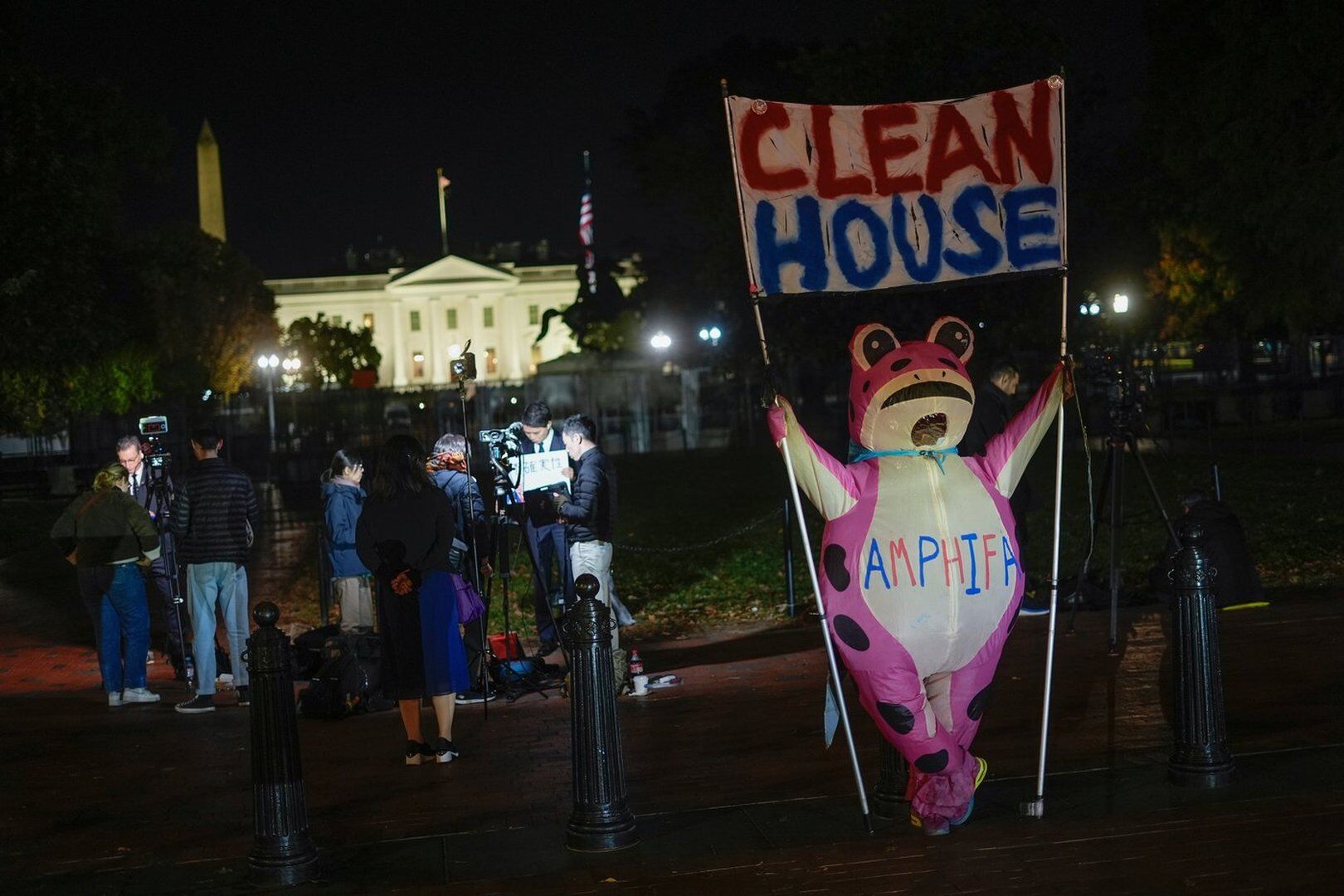
According to the AP Voter Poll, most voters expressed exhaustion with Trump, with two-thirds believing his policies worsened the economy.
More than half cited government corruption as a crucial factor in their congressional votes, while about 70% felt Congress was not providing adequate checks on the presidency.
Despite Democratic gains, the poll revealed a cautionary note: only half of voters viewed the party favorably, indicating a slim edge on key issues.
Ultimately, the election results underscore a complex landscape where economic concerns and foreign policy shaped voter sentiment, leading to a significant shift in congressional power.
“About 79% of voters reported inflation hardship, and 63% said the US made the wrong decision on Iran, with 74% calling it crucial to their vote. Majority-Hispanic counties swung more than 22 points against Republicans amid 56% unfavorable views of ICE.”


 BBC