- The 2024 Michigan Senate race featured an overtly anti-Muslim campaign against Democrat El-Sayed, with the president repeatedly labeling him a terrorist and his Republican opponent questioning his loyalty to America.
- Campaign materials accused El-Sayed of terrorist ties and warned of sharia law in Michigan.
- El-Sayed won the election despite the attacks, framing his victory as a rejection of hate and a choice for hope.
- The attacks raised safety concerns among residents in Dearborn, a hub of Arab American community.
- Republicans, including Trump and other senators, escalated rhetoric by labeling El-Sayed a terrorist and using derogatory comparisons.
- Voters who backed El-Sayed often dismissed the attacks as distractions from economic concerns and expressed support for diversity.
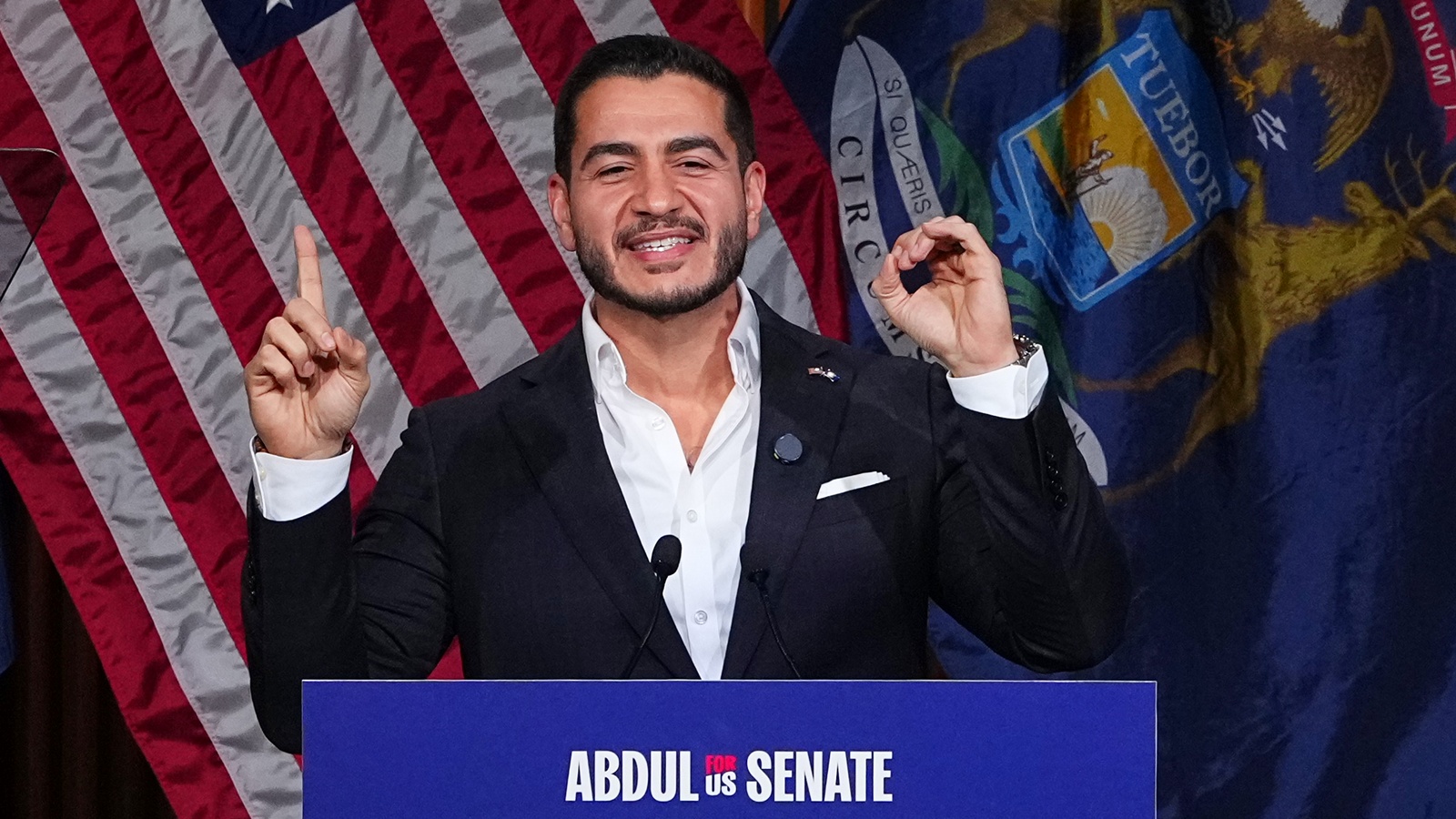
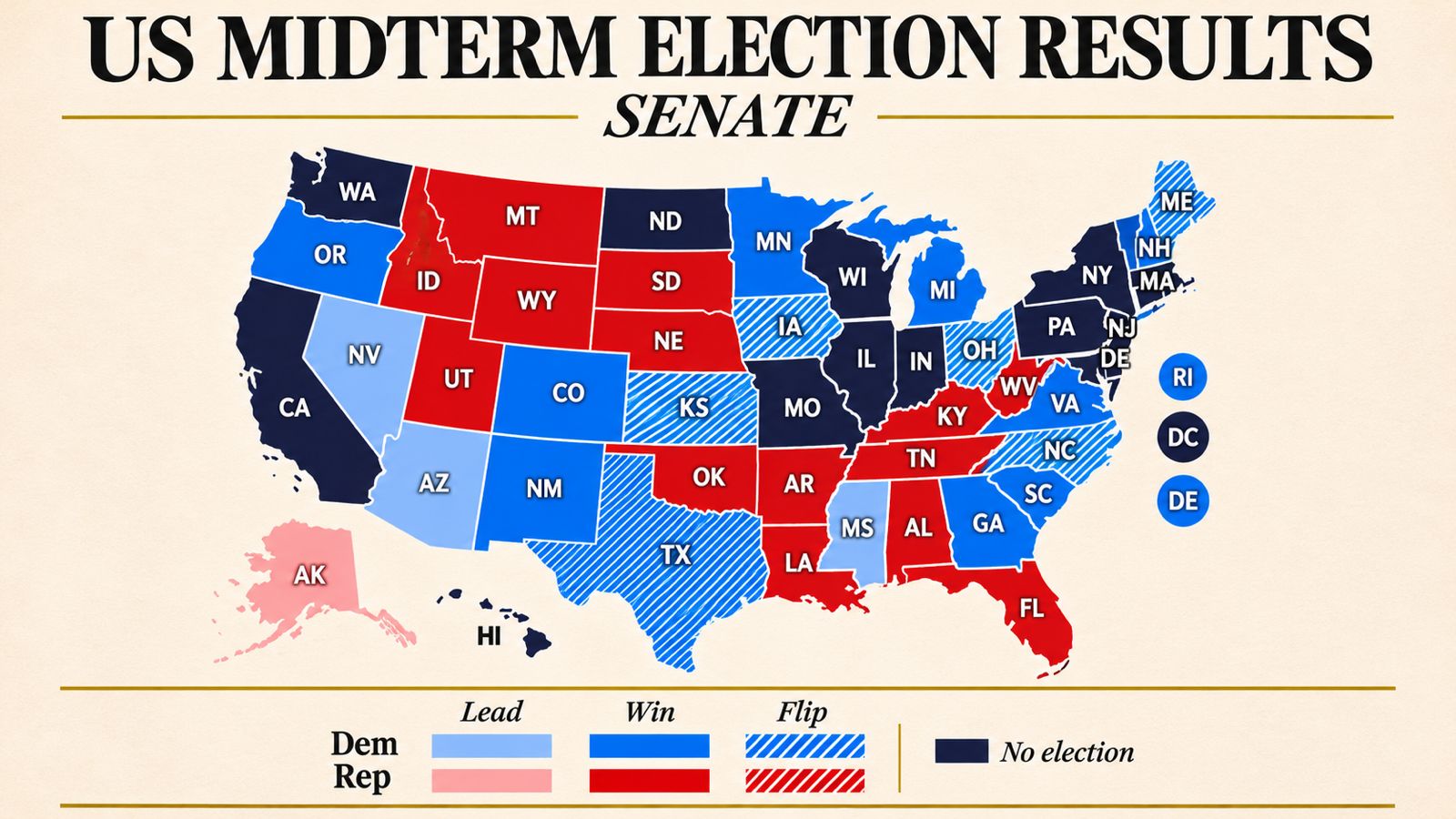
Abdul El-Sayed's victory in the Michigan US Senate race marks a significant moment in American politics, as he overcame a campaign characterized by overt Islamophobia and personal attacks. His Republican opponent, Mike Rogers, employed tactics that included labeling El-Sayed a jihadist and questioning his loyalty to the United States.123
The campaign was described as the most overtly Islamophobic in modern US politics, with mailers suggesting ties to terrorism and warnings of sharia law. Despite these challenges, El-Sayed, a 42-year-old Michigan-born Egyptian American and former Detroit health director, focused on progressive issues like healthcare and the cost of living.4
In his victory speech, El-Sayed stated, "You chose hate, and Michigan chose hope," framing his win as a rebuke to the hate-based rhetoric of his opponent. Many voters, including those from diverse backgrounds, dismissed the attacks as desperate and a distraction from pressing economic concerns. "We all matter, regardless of color, race or whatever," said Pamela Johnson, a 72-year-old Catholic voter.567111213
El-Sayed's campaign faced significant challenges, including attacks from prominent Republicans like President Donald Trump, who compared him to the September 11 hijackers. However, most voters ultimately prioritized their economic concerns over the divisive rhetoric.
“Trump labeled El-Sayed a terrorist and compared him to September 11 hijackers, while Rogers appeared with senators who called him a 'jihadist leprechaun' and said he sleeps 'in a bin Laden jersey.' Residents in Dearborn, home to a large Arab American community, voiced safety concerns over the attacks.”