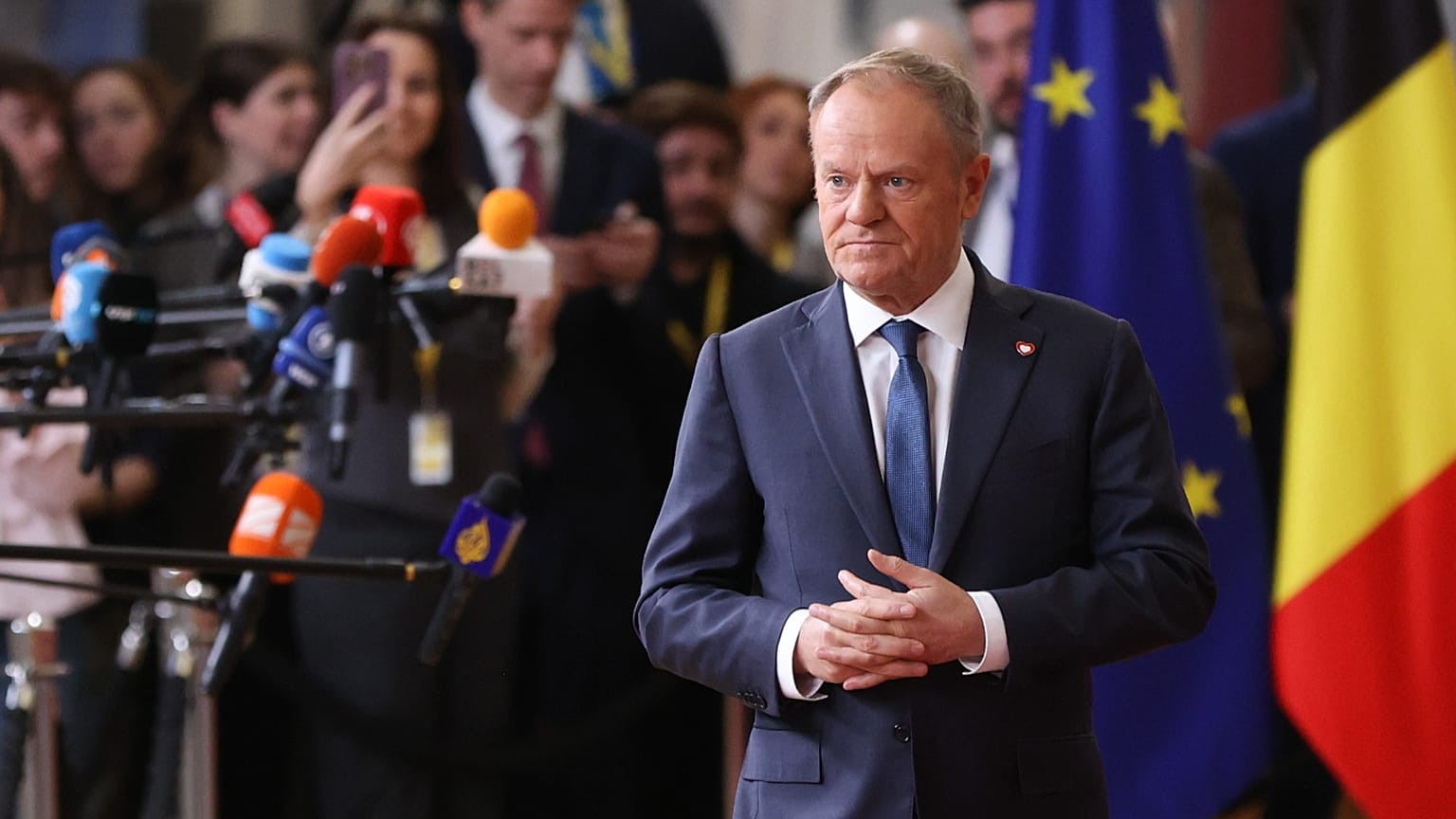
- Polish Prime Minister Donald Tusk has called on President Karol Nawrocki to confirm judges elected by parliament to Poland's Constitutional Tribunal.
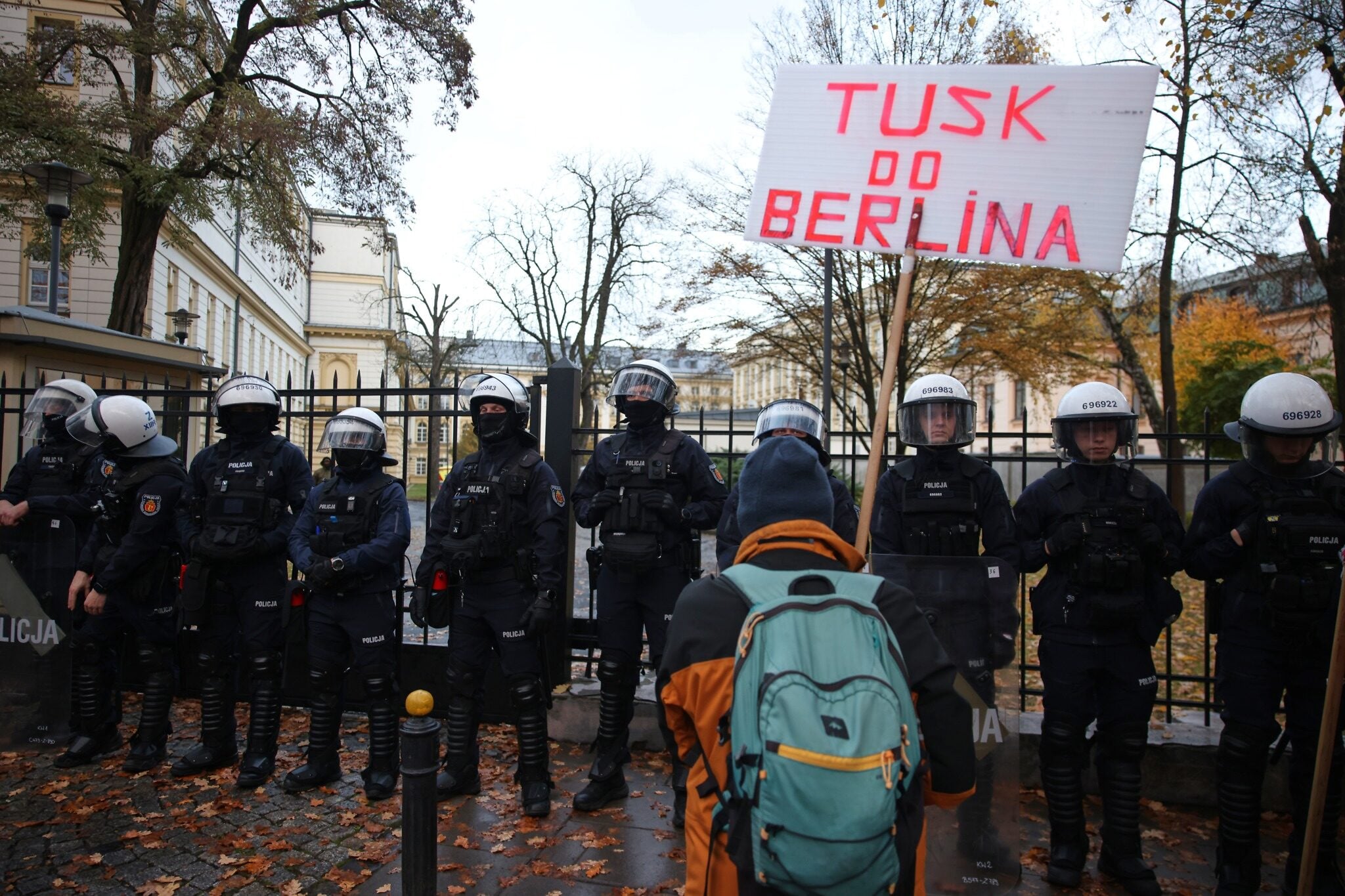
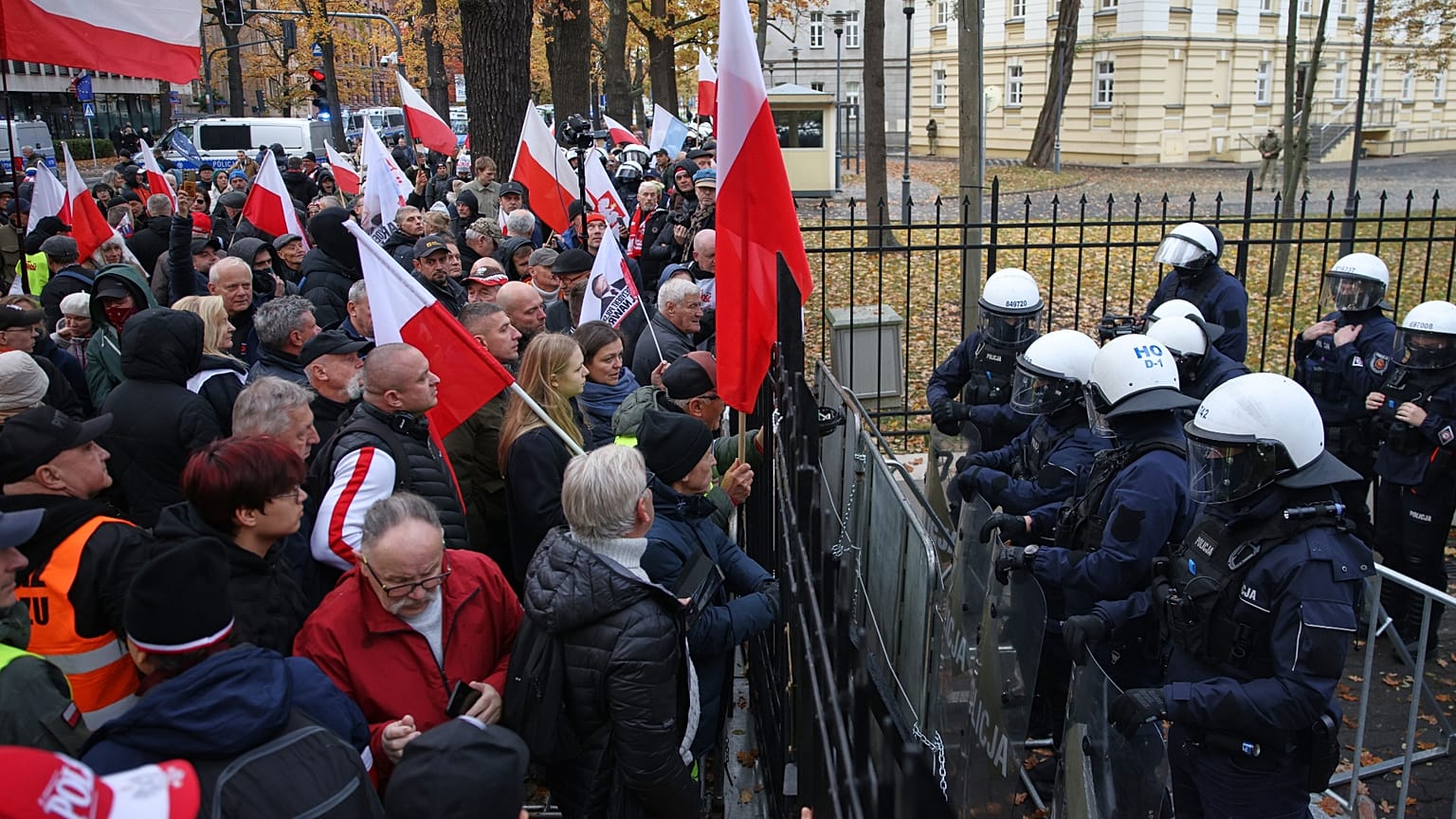
- The move comes after protesters and riot police faced off outside the court last week following the suspension of its president, in the latest incident in an intensifying stand-off over judicial appointments and control of the Tribunal.
- Tusk accused Nawrocki of "opting for a forceful confrontation, which could cost Poland dearly."
- The European Commission has stated it is closely monitoring the crisis and that the Polish Parliament had the right to appoint judges to the constitutional court.
- The crisis escalated on Friday night when police deployed around the Tribunal as judicial and political authorities took steps affecting its leadership.
- Since returning to power in 2023, Tusk has vowed to resolve the constitutional crisis, which has been going on for more than a decade.
- The dispute dates back to 2015, when the then-ruling nationalist Law and Justice (PiS) party sought to appoint Constitutional Tribunal judges to seats already filled by the previous government.
- Earlier this year, Nawrocki refused to swear in several judges nominated by the parliamentary majority, while Constitutional Tribunal President Bogdan Swieczkowski denied the new judges access to the court.
- A general assembly of Constitutional Tribunal judges chaired by Korwin-Piotrowska is scheduled for Tuesday, but its ability to make decisions will depend on securing a quorum of 10 of the court's 15 judges.

Poland's political landscape is in turmoil as Prime Minister Donald Tusk calls on President Karol Nawrocki to confirm judges elected by parliament to the Constitutional Tribunal. Tusk emphasized that resolving the conflict is straightforward and does not require constitutional amendments. He stated, "The President recognises the judges lawfully elected by the Sejm, as stipulated by the constitution, and they take up their duties at the Tribunal."1
The crisis intensified over the weekend, with police surrounding the Tribunal as tensions escalated between the pro-European government and the nationalist president. Nawrocki, who cut short a trip to Senegal, faced accusations of opting for a "forceful confrontation" that could have dire consequences for Poland. Conservative demonstrators labeled the government's actions a "coup d'etat," while the ruling coalition defended them as necessary for upholding the rule of law.
The European Commission is closely monitoring the situation, asserting that the Polish Parliament has the right to appoint judges to the constitutional court. A spokesperson stated, "It is for the Polish authorities to ensure that the Constitutional Tribunal can function in accordance with the Polish constitution and in respect of the relevant case law of the Court of Justice of the European Union."
As the crisis unfolds, it could significantly impact next year's parliamentary elections, with Tusk's coalition facing hard-right opposition. Political observers warn that further escalation may galvanize voters on both sides ahead of the vote. "It's not a conflict about the tribunal, everything is at stake," noted political scientist Anna Materska-Sosnowska from Warsaw University.
“The crisis stems from a 2015 dispute over judicial appointments, with the nationalist opposition retaining control of the court. The European Commission is closely monitoring, stating the Sejm has the right to appoint judges, while economists warn of risks to Poland's creditworthiness.”
Euronews.com