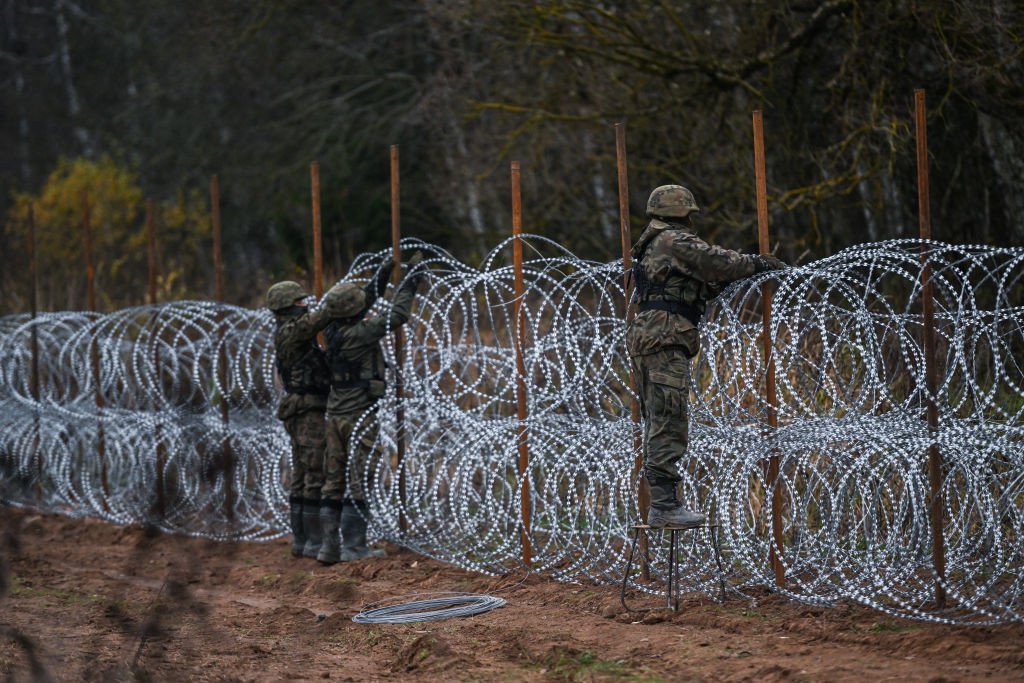
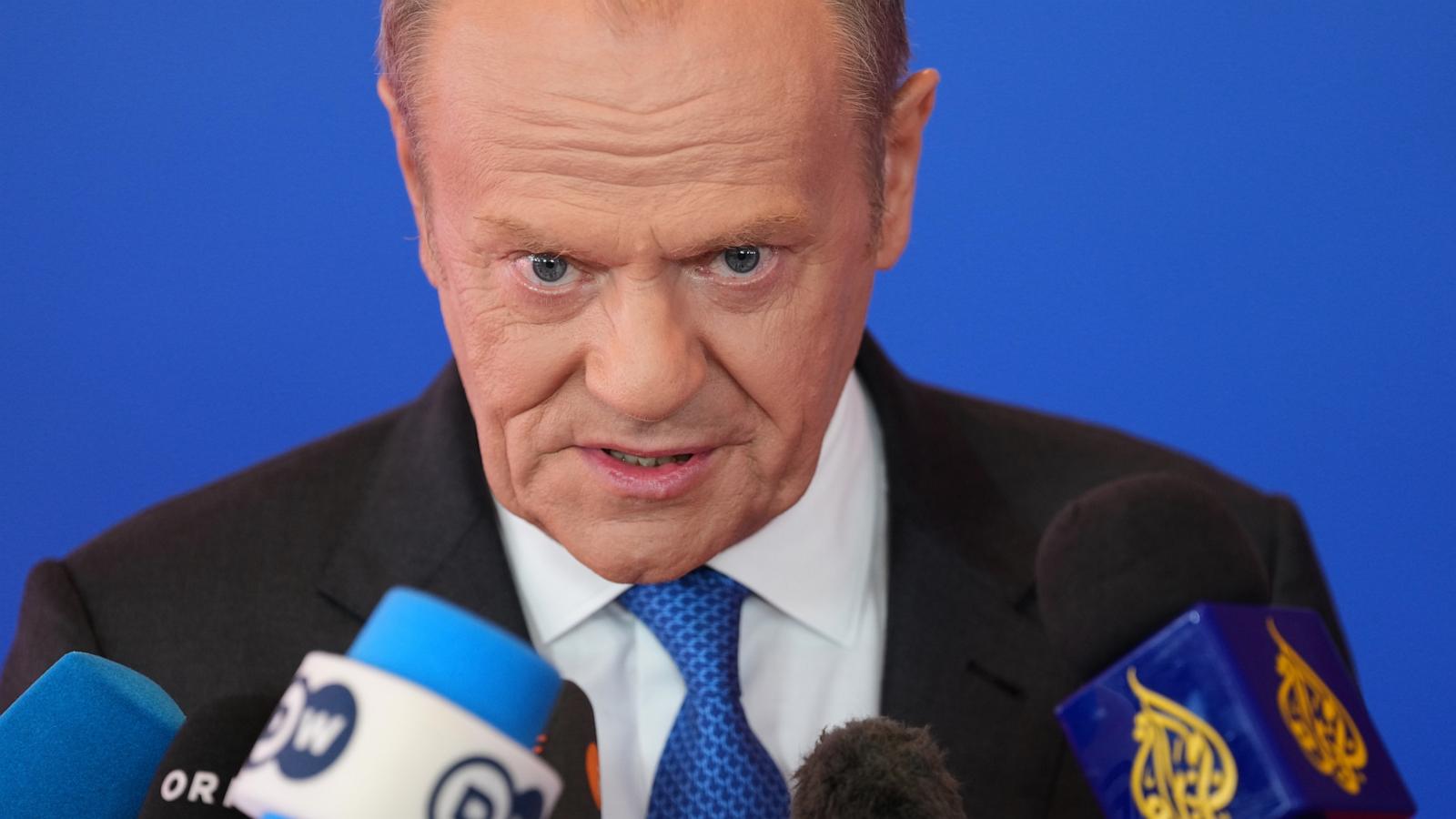
- Poland successfully prevented what appeared to be an attempted provocation on its border with the Russian exclave of Kaliningrad overnight, according to Prime Minister Donald Tusk.
- Just after midnight, Tusk received information from border guards that disturbing movement had been observed on the Polish-Russian border.
- Additional police and troops, including counter-terrorism units, were directed to Poland’s north-east border regions after authorities received 'more precise' information about potential sabotage or incursion by 'armed people' in the first half of November.
- Tusk indicated that Russia's intensified escalation would continue and was unlikely to be limited to this incident.
- Tusk accused Russia of seeking to fuel instability in Poland by meddling in a dispute over the Constitutional Tribunal.
- Tusk stated that Poland has been receiving information for some time from its services and allies that acts of diversion or more serious provocations on the border with Russia could occur.
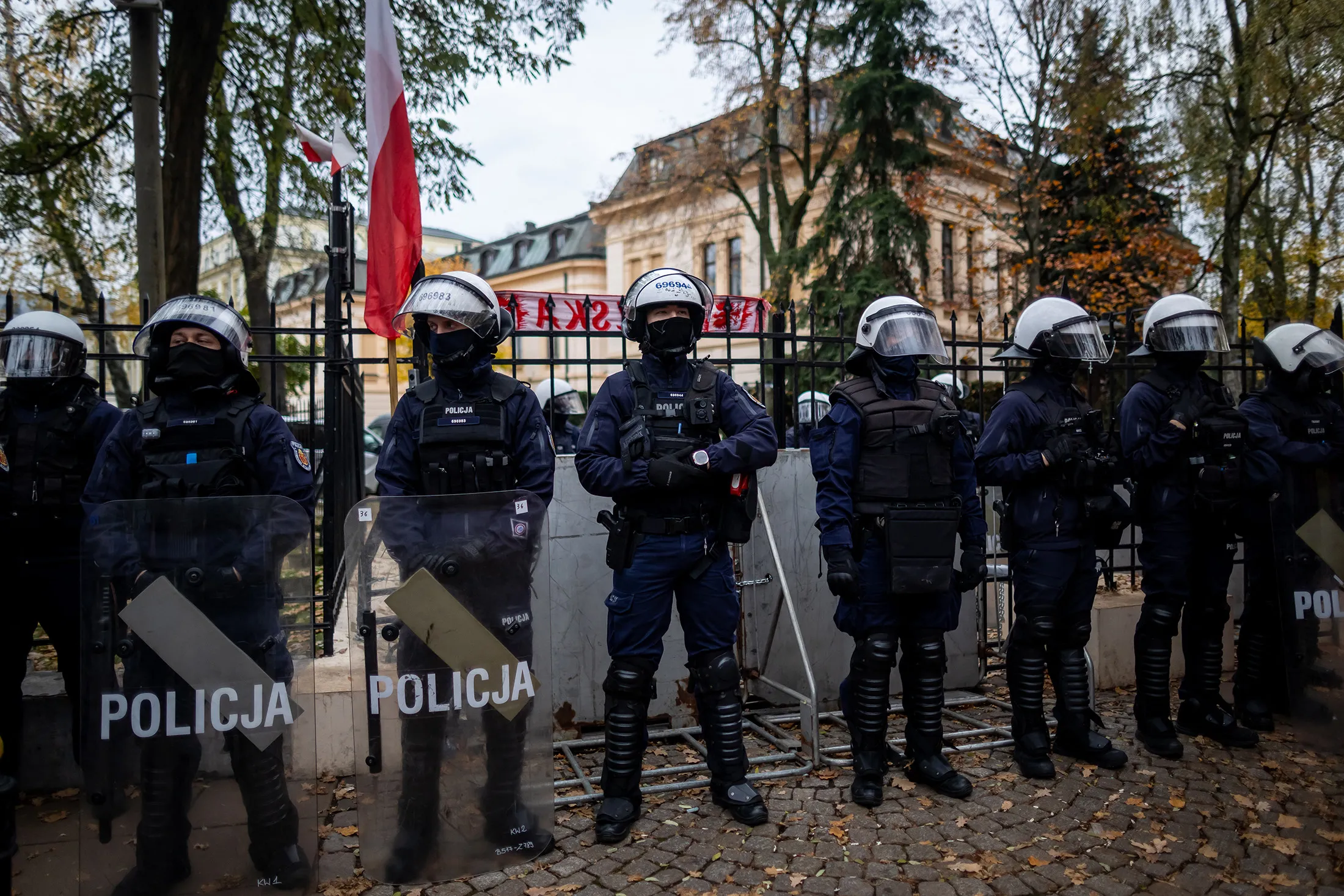
- Tensions escalated last week when the head of the Constitutional Tribunal was suspended, leading to crowds gathering outside the court in support of him.
- Russian politicians, including Dmitry Medvedev, described Tusk's government's moves in the tribunal dispute as a coup.
- Tusk remarked on the Russian method of becoming involved in internal conflicts, citing current tensions provoked by Russia in Poland.

Poland's Prime Minister Donald Tusk reported that the country successfully thwarted a potential provocation on its border with the Russian exclave of Kaliningrad overnight.15
Tusk stated, “Just after midnight, I received information from the border guards that disturbing movement had been observed on the Polish-Russian border.”2
In response, the Polish police, military, and intelligence services have ramped up security measures along the borders with Russia and Belarus, particularly in the northeast regions.
Tusk noted that “more precise” intelligence indicated possible acts of sabotage or incursions by armed individuals in early November.3
He emphasized that “we have been receiving information for some time from our services and from allies’ services that ... acts of diversion or more serious provocations on the border with Russia” could occur.6
Tusk also expressed concern over Russia's ongoing escalation, stating it is unlikely to be limited to this incident.4
In a broader context, Tusk accused Russia of seeking to fuel “instability” in Poland, particularly amid a political dispute involving the Constitutional Tribunal.7
He remarked, “We observe activity by Russia and pro-Russian politicians ... centering around our cause, which is defending the Constitutional Tribunal against aggressive behaviour by politicians and the demonstrators they provoke.”8
The Russian embassy in Warsaw has not yet commented on these allegations.
“Tusk said additional police and counter-terrorism units were deployed to the north-east border after receiving 'more precise' intel about potential sabotage or 'armed people' incursion. He also accused Russia of meddling in the Constitutional Tribunal dispute, with Russian politicians like Medvedev calling the government's moves 'a coup'.”
AP News