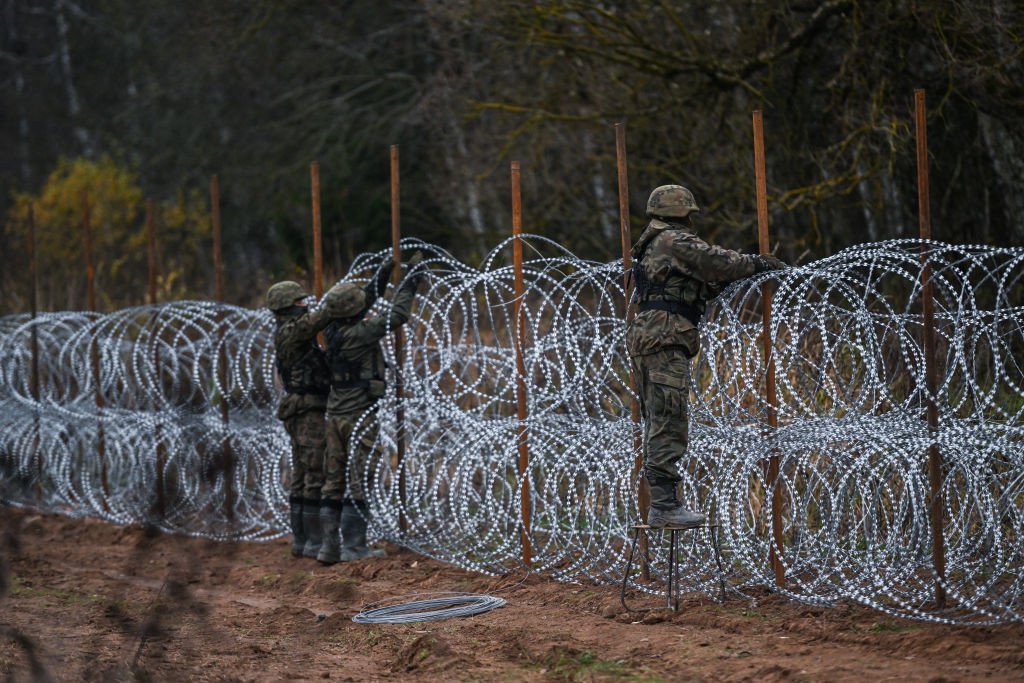
- Poland launched a special security operation along the Kaliningrad border on November 2 after intelligence warnings of possible armed incursions and sabotage.
- Polish authorities deployed additional police, counterterrorism units, and border guards to the border with Russia’s Kaliningrad region after intelligence warned of possible sabotage or an armed provocation.
- Shortly after midnight, the Border Guard reported 'disturbing movement' along the Polish-Russian border involving 'individuals with flashlights.'
- Polish services intervened near Sępopol in the Warmian-Masurian region. No one crossed into Polish territory, and the observed individuals withdrew deeper into the Kaliningrad region.
- Prime Minister Donald Tusk stated that the quick reaction may have prevented an unspecified provocation and warned that Russian pressure could continue.
- National police chief Marek Boroń said the large-scale operation would run from Monday until at least Nov. 8.
- Polish and allied intelligence agencies warned of possible sabotage operations and provocations during the first half of November, particularly along Poland's border with Kaliningrad.


Poland has heightened security measures along its border with Russia's Kaliningrad region, deploying police and counterterrorism units after intelligence indicated potential sabotage or armed provocations. Prime Minister Donald Tusk noted that suspicious movements were observed overnight, including individuals with flashlights near the border.5
“After receiving more precise information that incidents could occur in the first half of November, including armed people entering Polish territory, we decided to send substantial police forces, counterterrorism units, and reinforce the Border Guard,” Tusk stated.
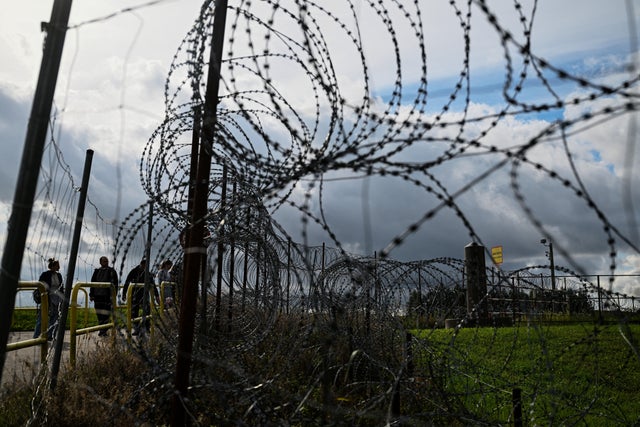
The operation, which began on November 2, aims to prevent possible incursions and has involved the elite military special forces unit GROM. Tusk emphasized that the quick mobilization of security forces may have thwarted a potential provocation, stating, “We very quickly mobilized the necessary security forces and means on site, and we successfully prevented any attempted acts of provocation.”
Despite the heightened alert, Polish authorities have not confirmed any specific plans for sabotage from Kaliningrad. However, the situation remains tense, with Tusk warning that “Russian pressure could continue.”

The Polish police have established a special operations headquarters to coordinate efforts in the Warmian-Masurian and Podlaskie regions, reflecting ongoing concerns about Russian aggression in the area. Intelligence agencies had already been on high alert due to previous incidents attributed to Russia, including sabotage and air incursions across Europe.
“Tension and escalation from Russia may continue, and we still need to remain focused and ready to prevent possible provocations,” Tusk concluded.
“The operation, which includes elite GROM forces, runs from Monday until at least Nov. 8 and is coordinated from a special command center at national police headquarters. Border Guard interventions near Sępopol saw no one cross into Polish territory, though Tusk warned that 'tension and escalation from Russia may continue.'”
UNITED24 MediaCBS News