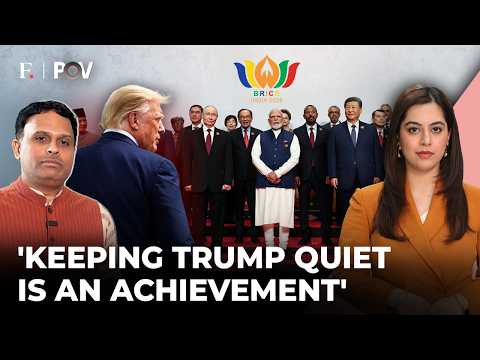
- BRICS began as an investment bank's acronym for four large emerging economies, meeting first over lunch on the sidelines of the UN General Assembly in 2006 and holding a first summit in 2009 in the wake of the financial crisis.
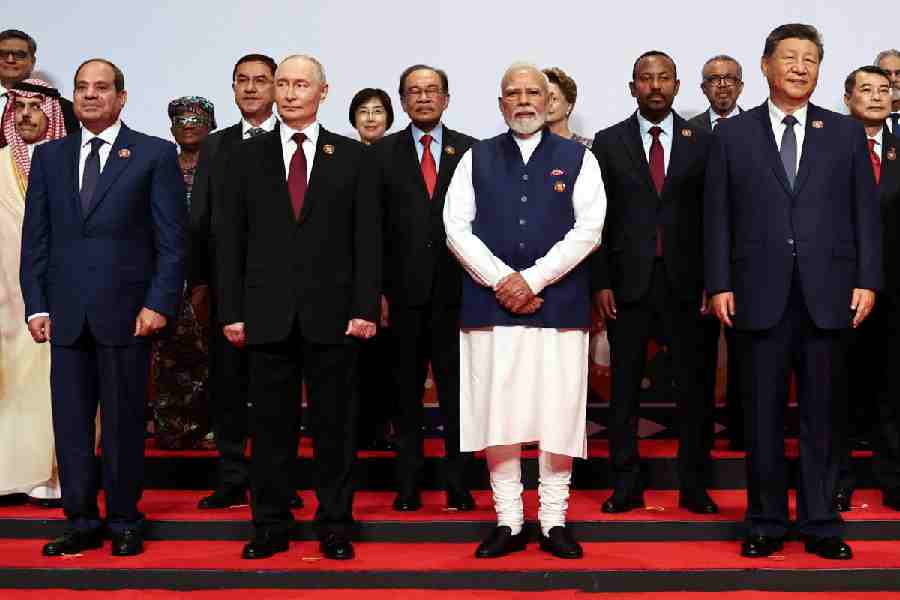
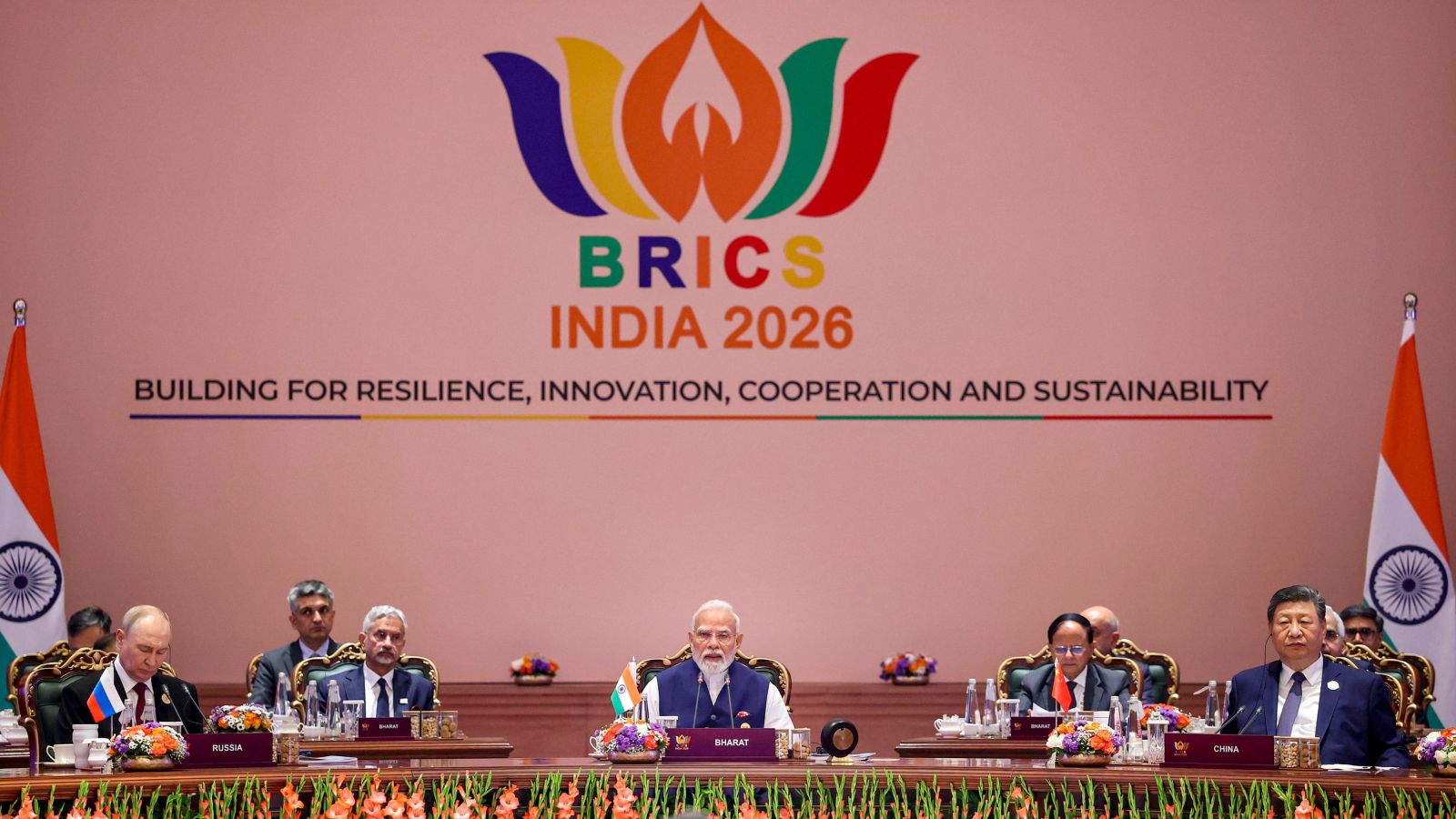
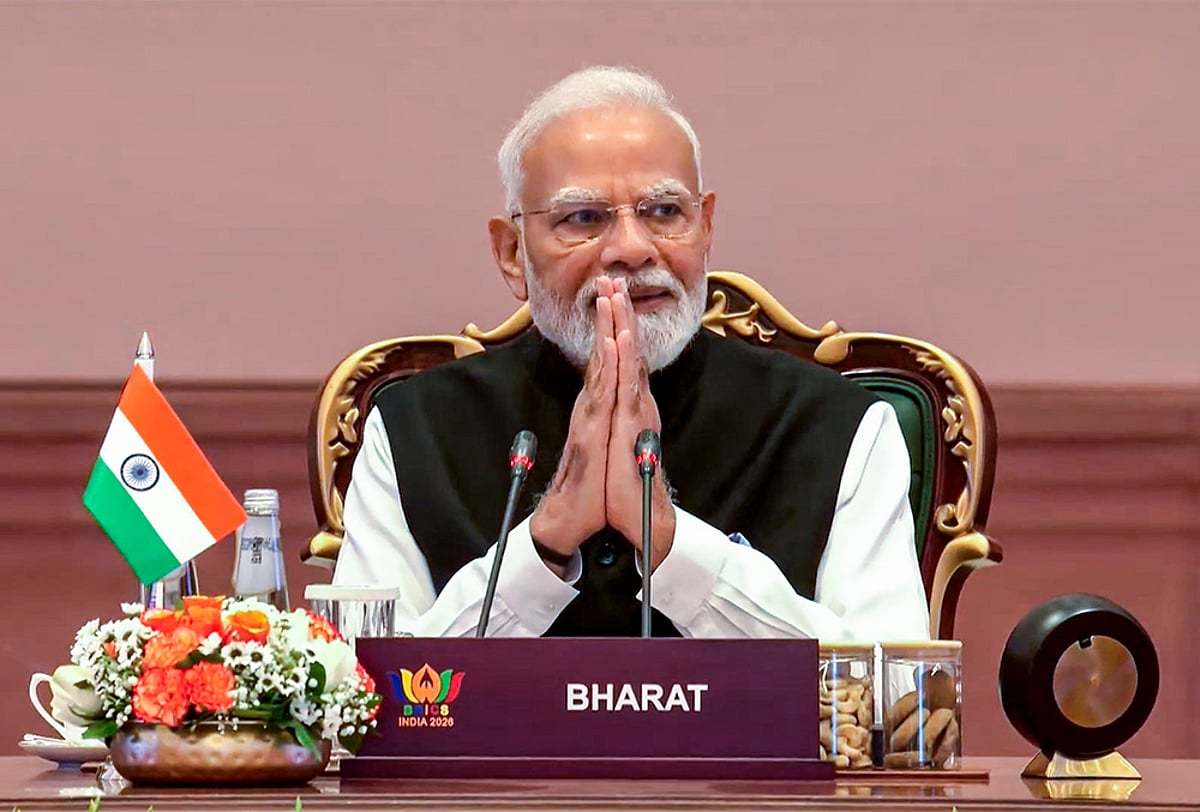
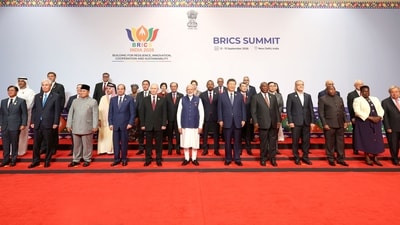
- The 2026 Delhi summit of BRICS has been under a spotlight, but things under a spotlight tend to look bigger and brighter than they actually are.
- The summit is far more modest, and the Indian agenda reflects that.
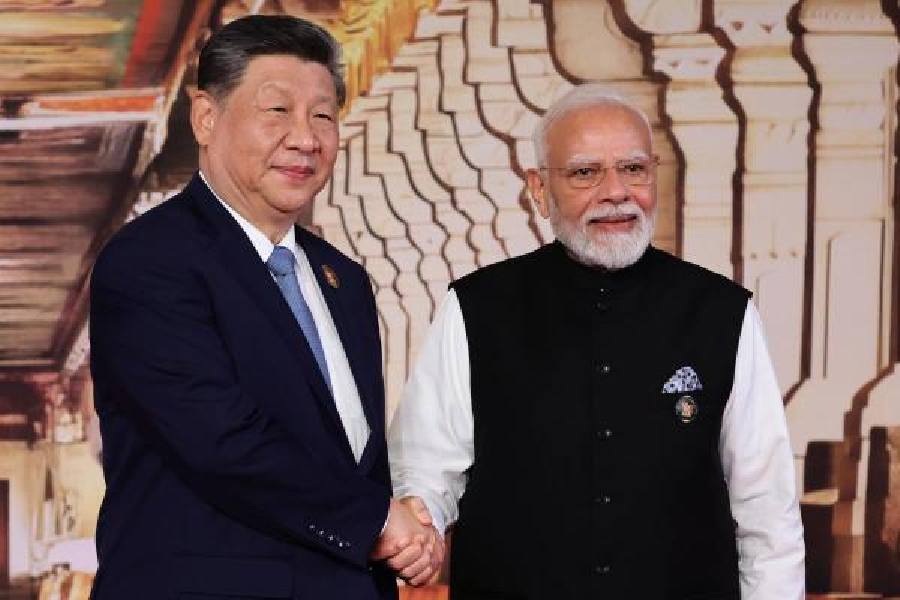
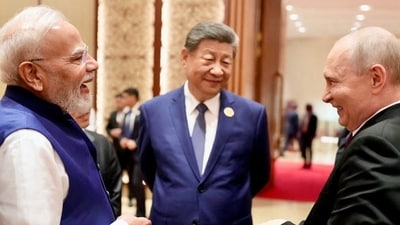
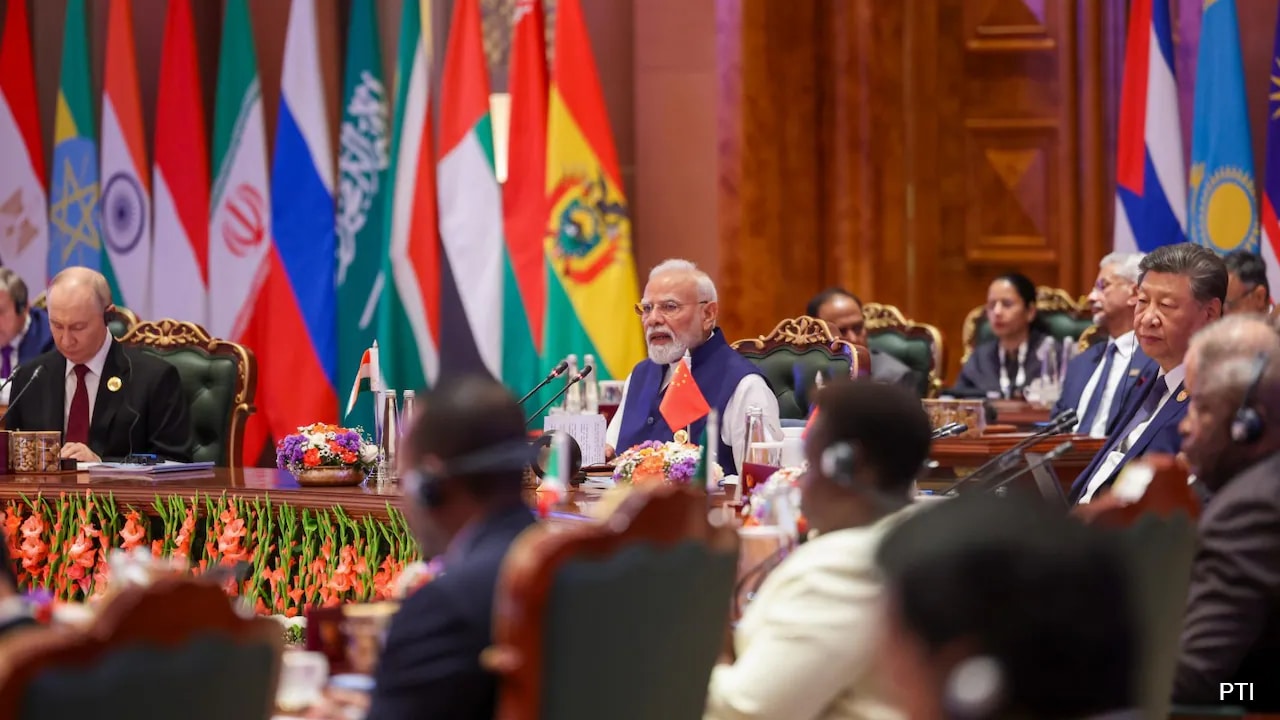
- BRICS is a messaging platform and a pressure group that brings leaders with very different views into the same room, where some differences get talked through, if not resolved.
- BRICS statements have rhetorical value but not much material value, as they are not backed by rules, force, or any consequence for the country they are aimed at.
- BRICS does not qualify as a lobby because its members argue for themselves, not for one another.
- A strong BRICS would put India on the adversarial side of the US and its allies, and could potentially contribute to an order in which China would be the most consequential power.
- BRICS is useful for hedging and keeping adversaries close, especially when friends are acting up.
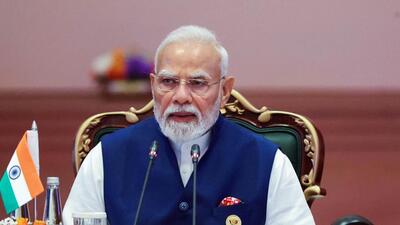
The BRICS summit in New Delhi has sparked debate over its actual influence, with many experts suggesting that its role is largely symbolic.
Critics argue that while BRICS serves as a platform for dialogue among diverse nations, it lacks the cohesive lobbying power seen in other international groups.
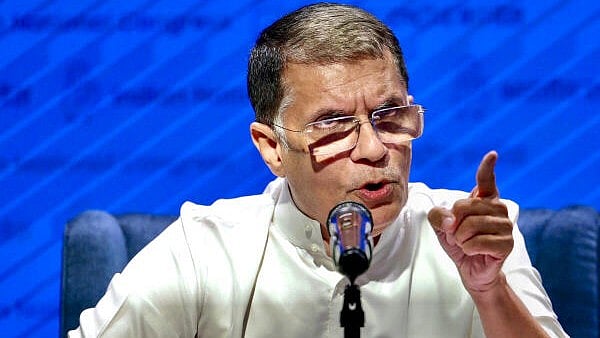
“It is a messaging platform and a pressure group which brings leaders with very different views into the same room,” one analyst noted, emphasizing that the group facilitates discussions but does not resolve conflicts.
The summit's agenda reflects India's cautious approach, as a strong BRICS could position India against the US and its allies, which are crucial to its foreign policy.
“A strong BRICS would put India on the adversarial side of the US and its allies,” experts warn, highlighting the delicate balance India must maintain.
Furthermore, the declarations made during the summit, while rhetorically powerful, often lack enforceable commitments.
“They do not have much material value,” analysts argue, pointing out that BRICS statements are not backed by rules or consequences.
Ultimately, the summit serves more as a platform for signaling intentions rather than a vehicle for substantive change in global governance.
“The article notes that BRICS statements carry rhetorical weight but lack material consequences, as they are not backed by rules or force. It also highlights that a strong BRICS could align India against the US and its allies, potentially elevating China's global influence.”