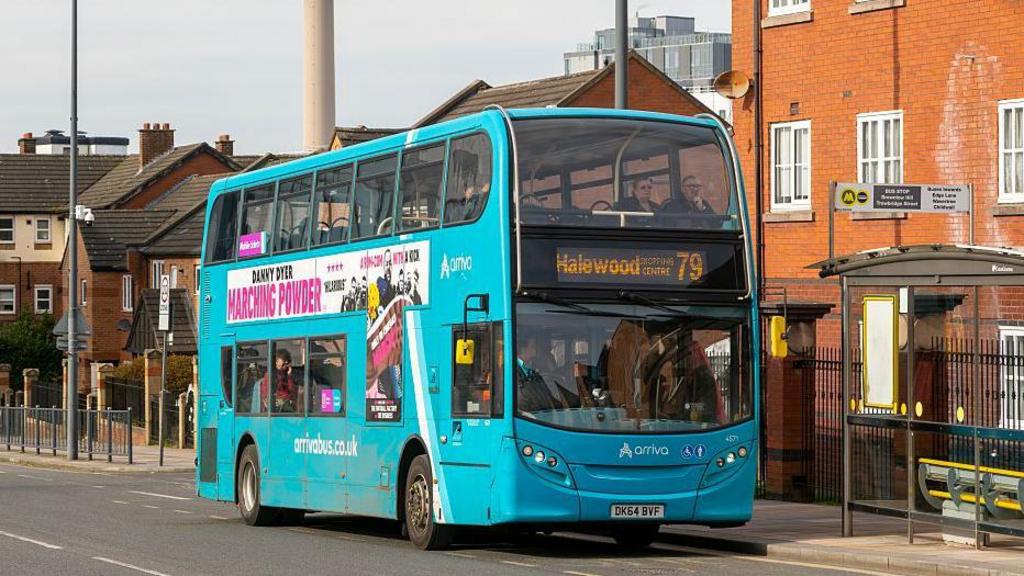
- Most bus fares in England will be capped at £2 from 1 January 2027, as announced by the government.
- This new cap will lower fares by a third from the current £3 cap.
- Andy Burnham has pulled back from suggestions about increasing the tax-free personal allowance, which has been frozen since 2021.
- The £12,570 threshold for personal allowance has been frozen since 2021, leading to more people paying tax as earnings increase.
- Transport Secretary Heidi Alexander stated she is '100% sure' the funding is available for the bus fare cap.
- The funding for the bus fare cap will come from £454 million being reallocated from the Department for Energy Security and Net Zero.
- The bus fare cap scheme will apply across all of England except London and is expected to cost more than £500 million.
- Lower fares are intended to help people manage the cost of living, according to Burnham.
- The £2 cap on bus fares reverses an increase implemented by Keir Starmer and Rachel Reeves in 2024.
Prime Minister Andy Burnham has announced a new cap on bus fares across England, setting the price at £2 starting January 1, 2027, a reduction from the current £3 cap. This initiative aims to alleviate the cost-of-living crisis, providing essential support to commuters.3
“Lower fares will help people get to where they need to – giving them breathing space to help with the cost of living,” Burnham stated, emphasizing the importance of affordable transport. The cap is expected to cost over £500 million, funded by reallocating £454 million from the Department for Energy Security and Net Zero.268
Transport Secretary Heidi Alexander assured that the funding is secure, stating, “There is £454m of reprioritising money, it’s switch spending.” The cap reverses a previous increase implemented by Keir Starmer and will remain in effect throughout 2027.
Burnham's decision to cap fares contrasts with his retreat from earlier suggestions to increase the tax-free personal allowance, which has been frozen since 2021. “Good, affordable transport links are essential. No one should be priced out of those and left behind,” he added. The Chancellor, John Healey, noted that millions would benefit from the fare reduction, asserting that it would not burden taxpayers.
The Trades Union Congress welcomed the measures but urged for further actions, including taxing bank profits to enhance living standards.
“The £2 bus fare cap, which takes effect from 1 January 2027, will be funded by reallocating £454 million from international climate finance to loans, according to Transport Secretary Heidi Alexander. The cap reverses an increase imposed by former PM Keir Starmer in 2025.”


 BBC
BBC The Guardian



