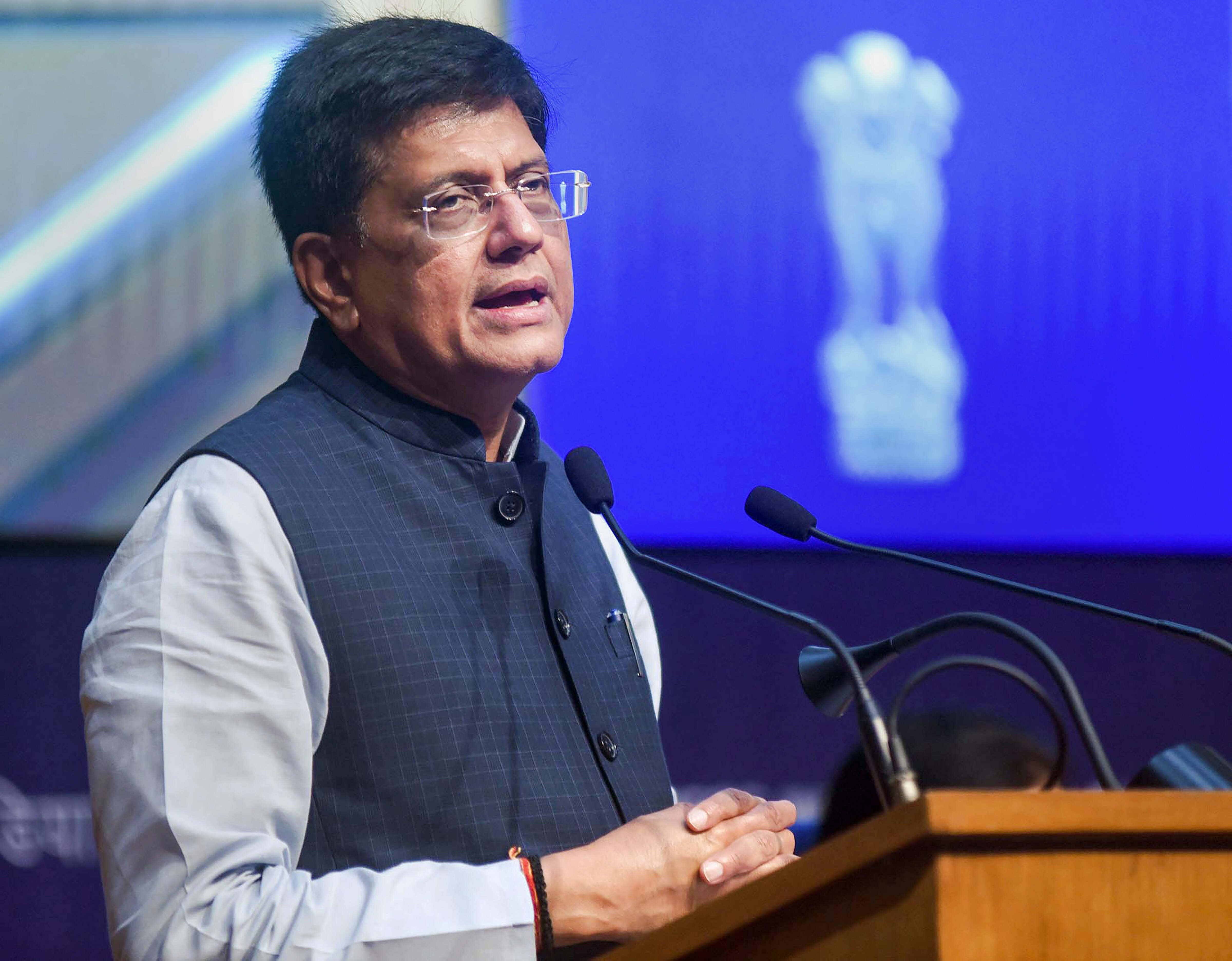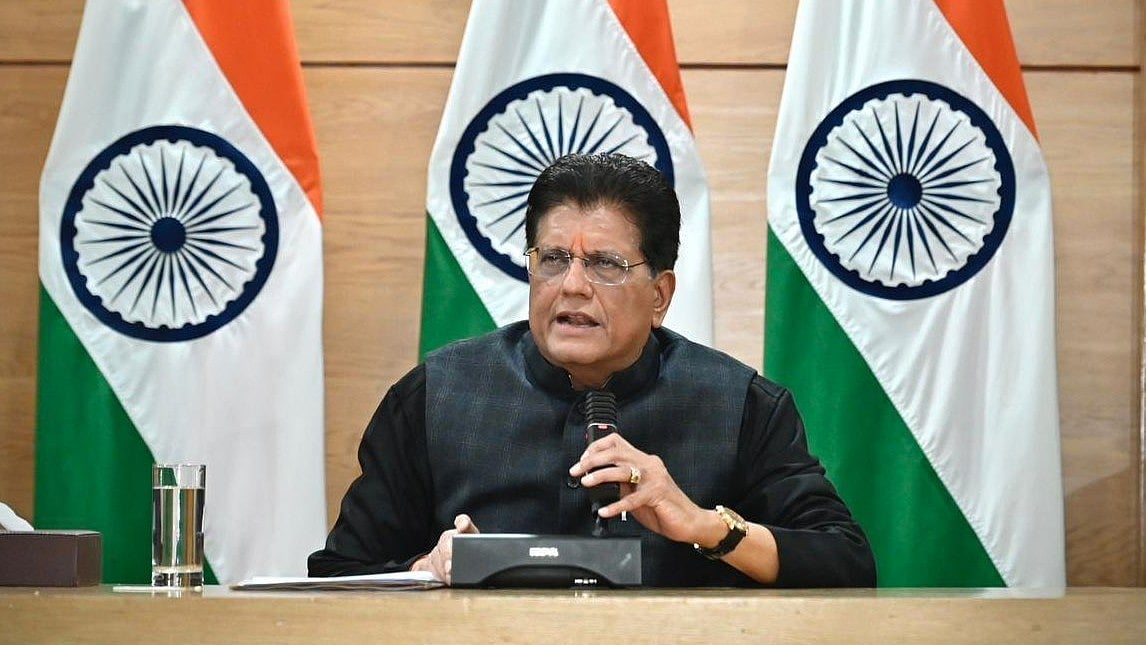
- India and Japan reaffirmed their commitment to deepen cooperation in startups, deep technology, innovation and MSMEs, with Commerce and Industry Minister Piyush Goyal highlighting India’s emergence as the world’s third-largest startup ecosystem.
- Goyal proposed a four-pillar framework to take India-Japan startup cooperation to the next level, including a Japan-India Deep-Tech Capital Corridor and Joint Startup Pitching Platforms.
- Goyal pitched a 'Shark Tank' style startup series and highlighted a proposed $1-billion Fund of Funds for deep-tech enterprises, inviting Japanese investors to participate.
- An ASSOCHAM report estimates that bilateral merchandise trade could reach $50 billion by 2030, compared with $27.47 billion in 2025-26.
- Goyal said nearly 250,000 startups have been established in India over the past decade, supported by the country’s large domestic market, STEM talent pool, digital public infrastructure and expanding innovation ecosystem.
- Japan is currently India's fifth-largest investor and has committed JPY 10 trillion ($68 billion) in private investment over the next decade.
- The report identified sectors including semiconductors, artificial intelligence, digital technologies, critical minerals and resilient supply chains as areas with potential for deeper cooperation.
- Venture capital investors identified artificial intelligence, semiconductors, healthcare, space, defence, advanced manufacturing and deep technology as major areas for future India-Japan investment.
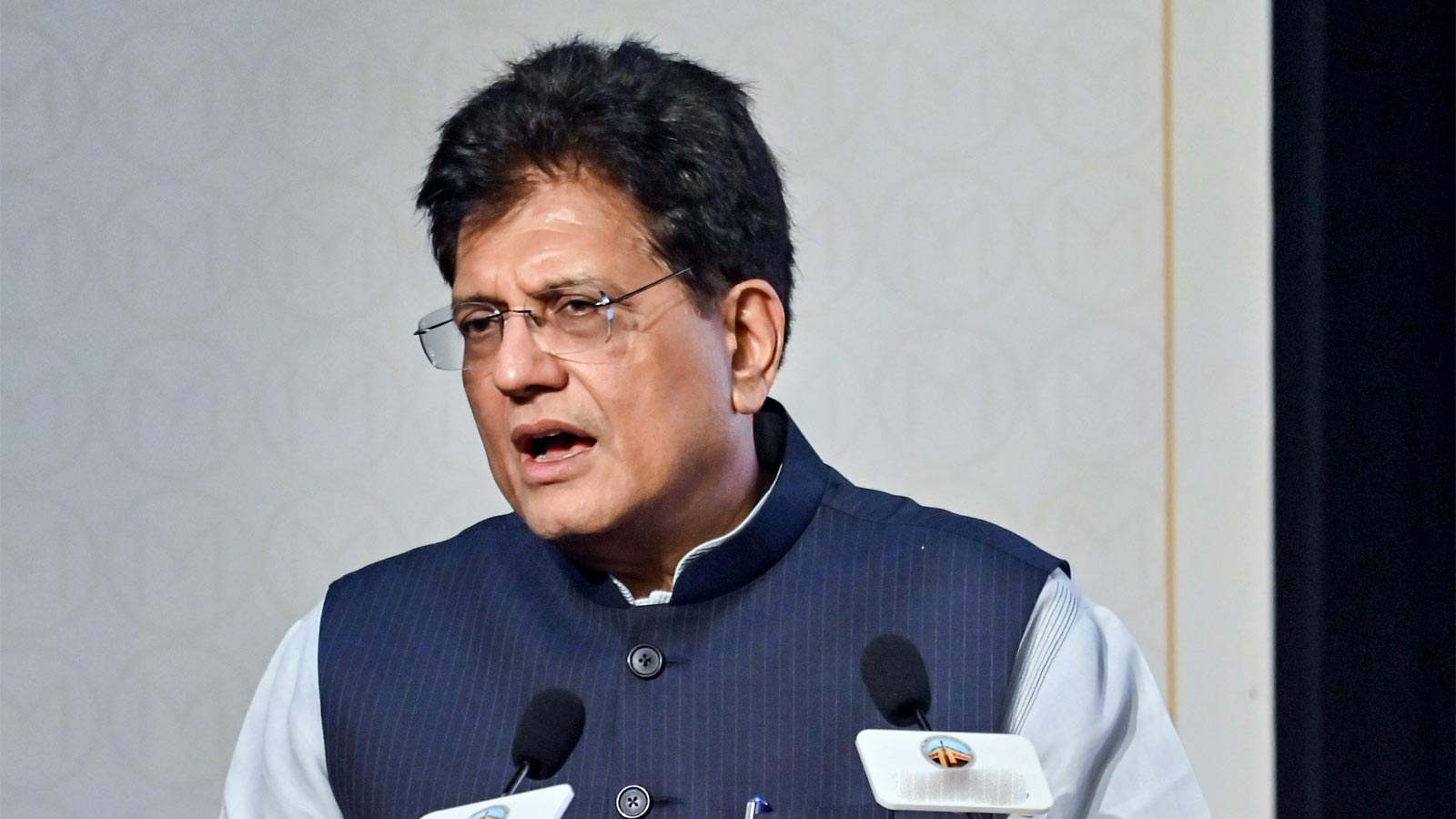
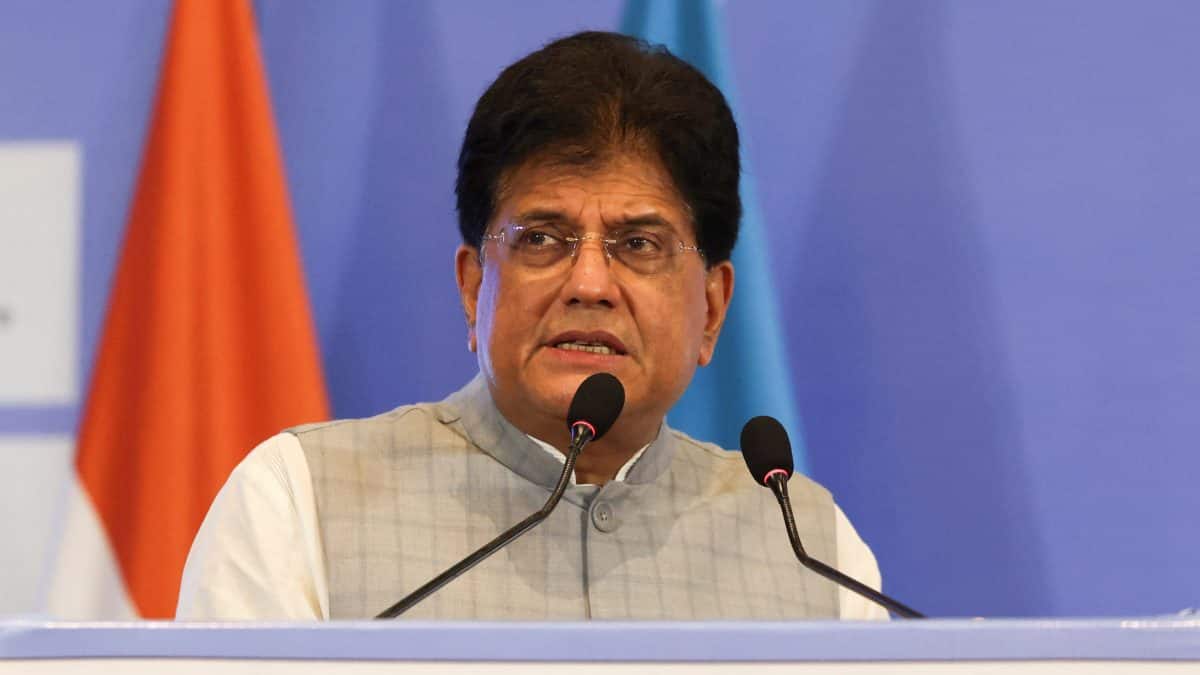
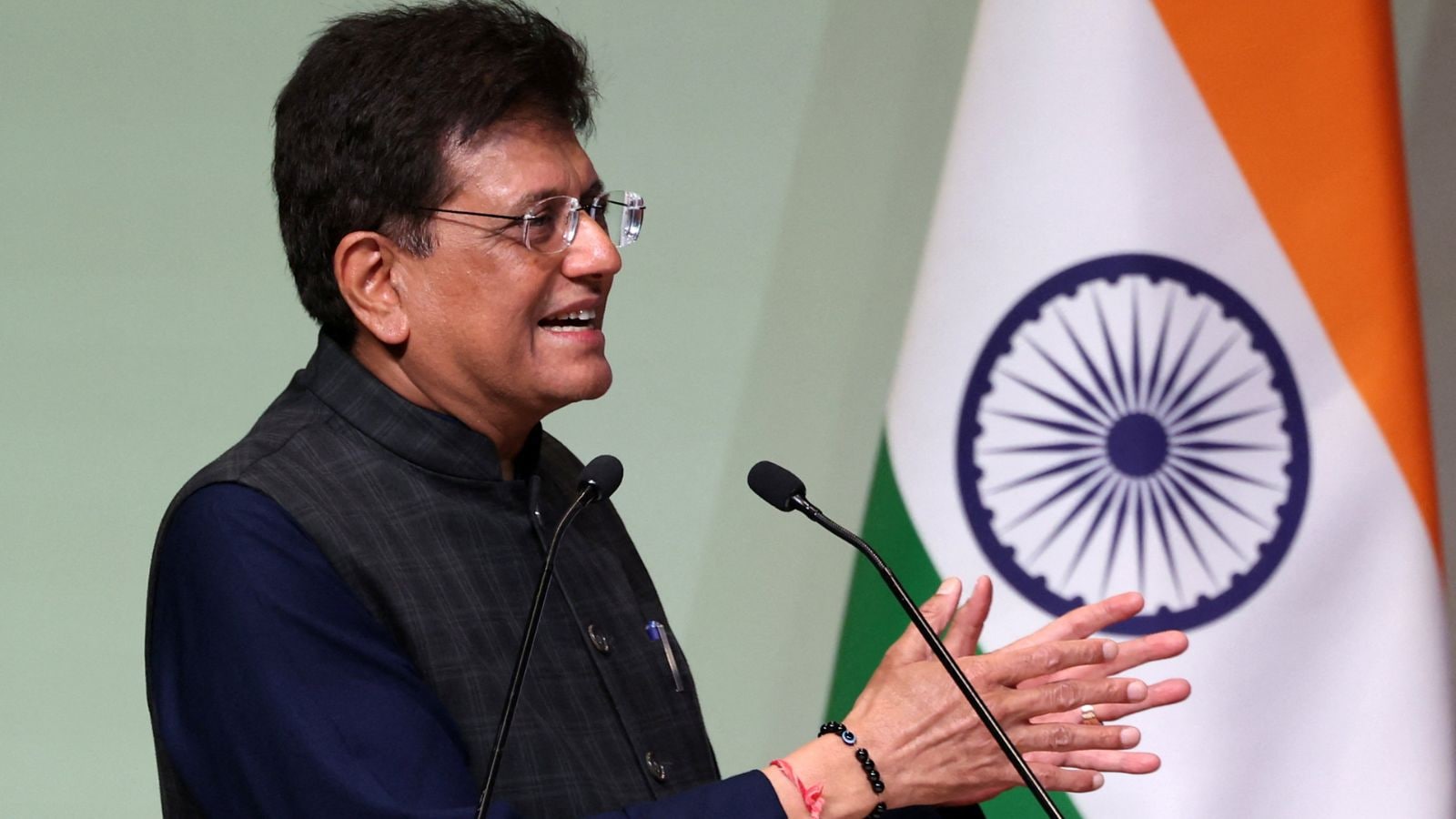
Commerce and Industry Minister Piyush Goyal proposed a 'Shark Tank'-style pitching series during a startup roundtable in Tokyo, aiming to connect Indian and Japanese startups with investors and partners.14
Goyal emphasized that the initiative could facilitate direct pitches from Indian startups to Japanese investors and vice versa, moving beyond mere investor pitches to pilot projects and commercial scale-ups.
He also introduced the concept of an India-Japan deep-tech capital corridor, which would enable Japanese investors to provide long-term capital to Indian startups, particularly in their early stages.
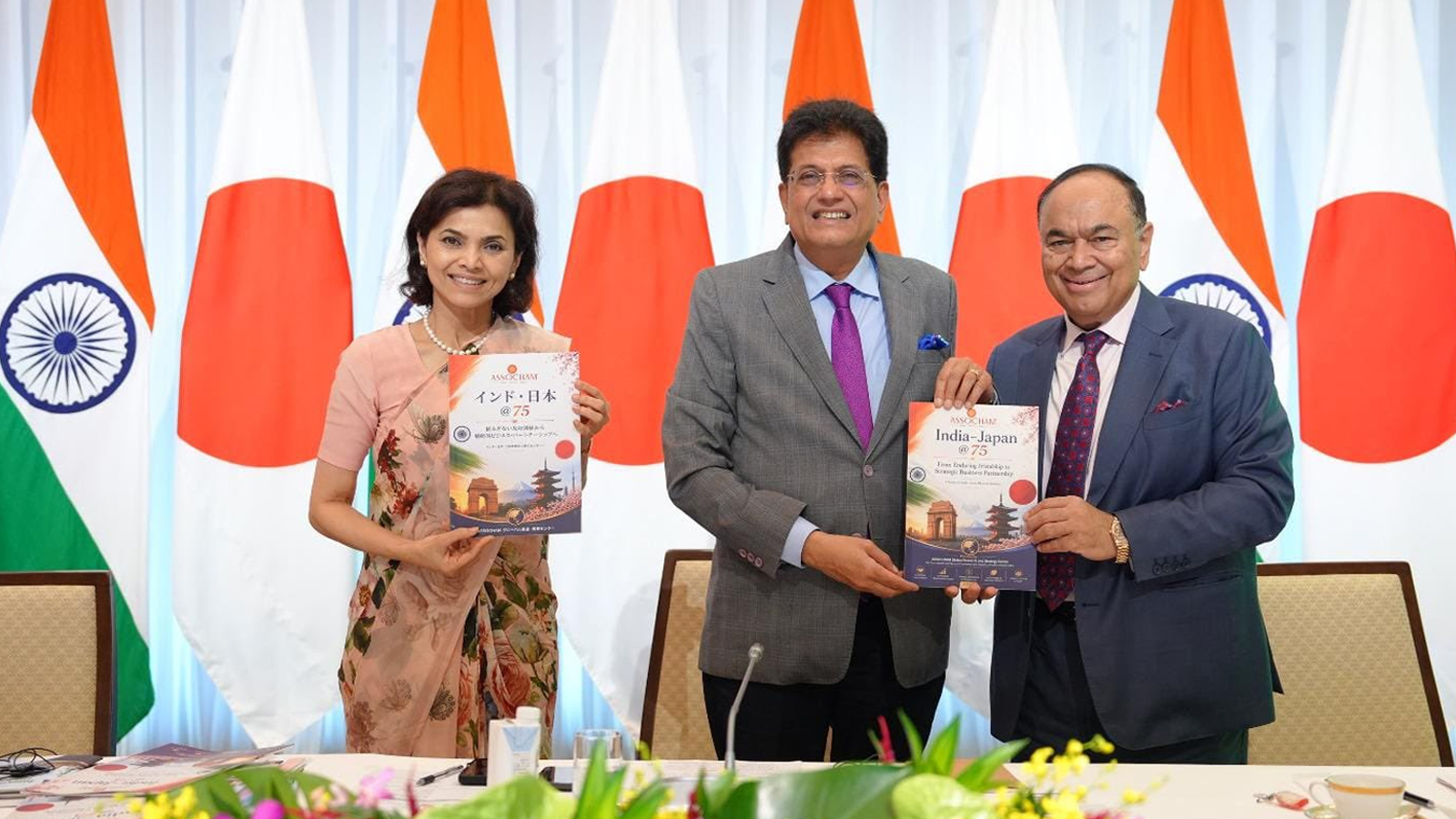
According to an ASSOCHAM report, bilateral merchandise trade is projected to reach $50 billion by 2030, up from $27.47 billion in 2025-26. Trade has already increased by 33% from $20.58 billion in FY2020-21 to $27.47 billion in FY2025-26.5
Goyal highlighted the complementary strengths of both economies, noting India's large domestic market and Japan's technological expertise. He proposed a four-pillar framework for enhancing cooperation, which includes the deep-tech capital corridor, a two-way innovation bridge, manufacturing integration, and joint startup pitching platforms.23
The India-Japan Pitching Series has already connected 65 Indian startups with around 100 Japanese corporations, resulting in over 30 business tie-ups. Goyal invited Japanese investors to participate in a proposed $1 billion Fund of Funds focused on deep-tech enterprises, aiming to strengthen institutionalized partnerships between the two nations.
“The ASSOCHAM report released during his Tokyo visit projects bilateral merchandise trade could reach $50 billion by 2030, up from $27.47 billion in 2025-26. Japan, India's fifth-largest investor, has committed JPY 10 trillion ($68 billion) in private investment over the next decade.”

 DD India