Sources: 

Physicists have demonstrated the first nuclear clock, harnessing the unique properties of thorium-229's nucleus to keep time with unprecedented precision. This groundbreaking technology operates by employing a laser to induce energy transitions within the nucleus, achieving a significant breakthrough in precision timekeeping.
The clock's development was made possible when, in 2024, a research team from the University of Colorado Boulder and the National Institute of Standards and Technology (NIST) successfully determined the transition frequency with a precision that allowed for effective laser excitation of the nucleus. The design of this revolutionary clock, while currently not surpassing the most accurate atomic clocks, showcases promising advancements in its architecture.
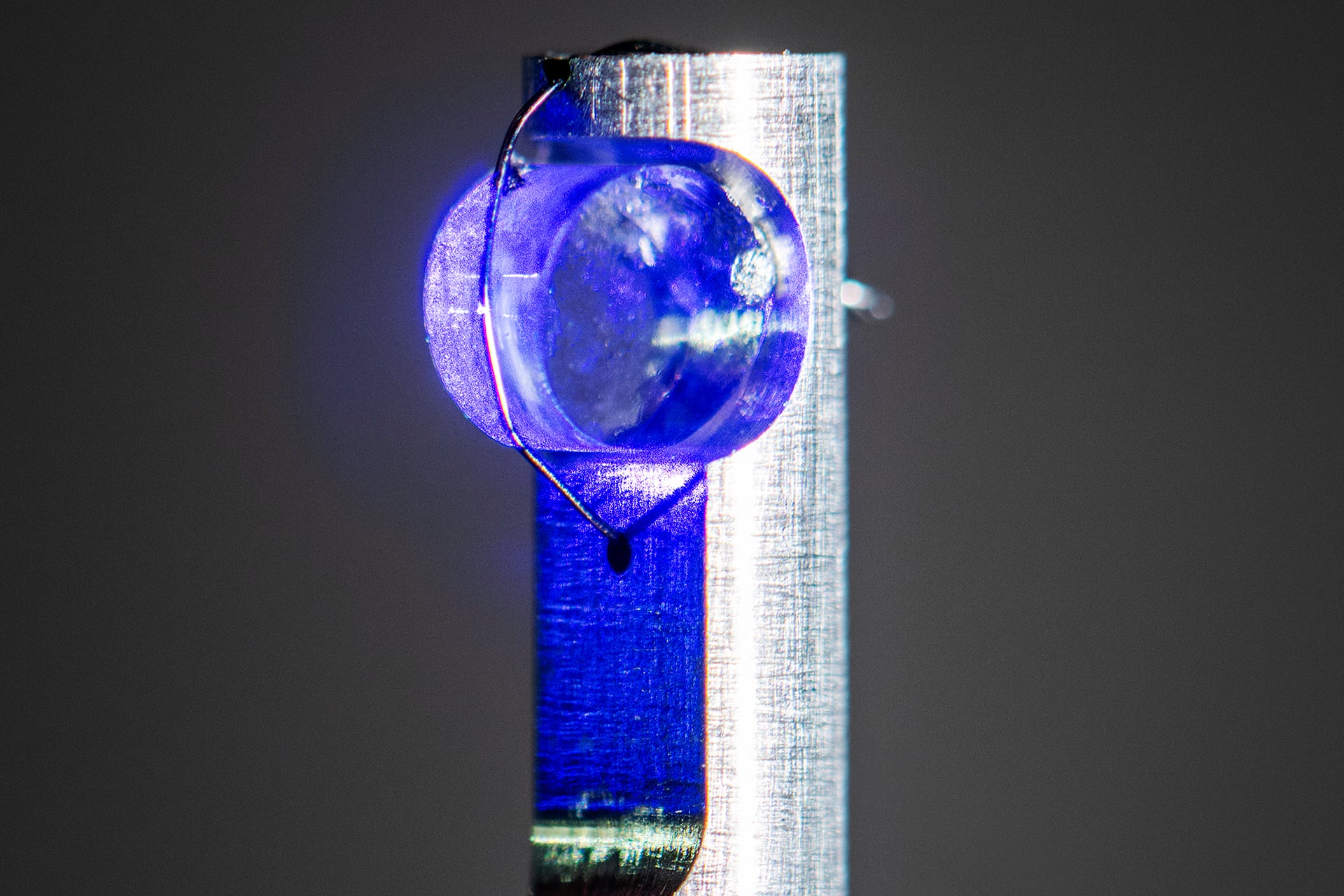
Recent experiments involving calcium fluoride crystals containing thorium-229, conducted by independent teams from Europe and China, yielded the first results demonstrating the viability of this nuclear clock. As Thorsten Schumm, a physicist from the European team, noted,
“the nuclear clock already outperformed all atomic clocks in certain types of measurements.” The long-term stability of nuclear clocks is attributed to their lesser susceptibility to external electromagnetic interference, enhancing their reliability and functionality.
These nuclear clocks are considered essential for various practical applications, including
navigation, communications, and international timekeeping, moving beyond mere scientific curiosity into vital instruments for modern technology.
Sources: Physicists have unveiled the world's first nuclear clock, utilizing transitions within the thorium-229 nucleus for timekeeping, which may exceed conventional atomic clock accuracy. This innovation promises enhanced long-term stability and potential applications in navigation and communications, marking a significant advance in precision time measurement.