- The Philippines strongly condemned the state-run China Daily for releasing an AI-generated video that depicted Filipinos as monkeys, saying the racist imagery is offensive, distressing and unacceptable and demanding its removal.
- The video portrayed a monkey dressed in Filipino attire being directed by arms representing the US and Japan on what to sing, and included a mockery of the South China Sea arbitration award.
- Philippine defense secretary Gilberto Teodoro condemned the video as contemptible propaganda and a disgrace to any state claiming responsible regional leadership.
- The Philippine foreign ministry stated that the depiction of Filipinos as monkeys is deeply offensive and unacceptable.
- China's foreign ministry spokesperson Lin Jian stated that the video does not represent the official position of China.
- The video was posted on 10 July, coinciding with Philippine events marking the 10th anniversary of the ruling that invalidated China's claims in the South China Sea.
- The Philippines' protest comes amid strained relations with China, including aggressive maneuvers by Chinese vessels and sanctions on Teodoro.
The Philippines has sharply rebuked a Chinese state media AI-generated video that depicted Filipinos as monkeys, labeling it as "racist" and "unacceptable." The video, released by China Daily on July 10, coincided with the anniversary of the 2016 ruling that invalidated China's expansive claims in the South China Sea.14
The Philippine foreign ministry stated, “We draw a firm line at the depiction of Filipinos as monkeys in the 10 July 2026 video, which is deeply offensive, distressing, and unacceptable,” emphasizing the need for mutual respect between nations. The video shows a monkey in traditional Filipino attire being manipulated by hands labeled "USA" and "Japan," before being thrown into the sea and blasted by a water cannon from a Chinese vessel.6
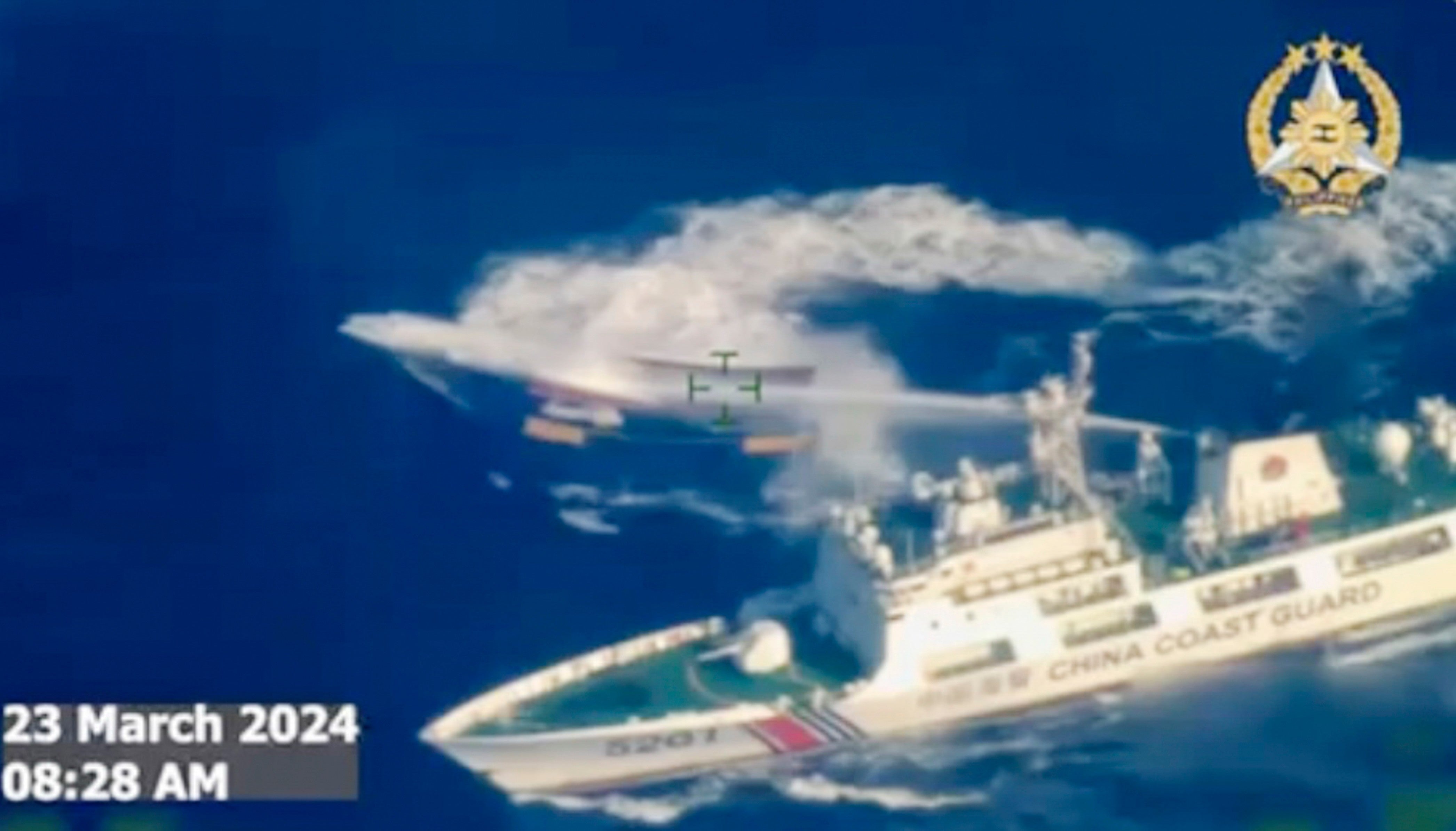
Philippine Defence Secretary Gilberto Teodoro condemned the video as “contemptible propaganda” and a disgrace to any state claiming responsible regional leadership. He criticized the portrayal as a reflection of China's “moral and intellectual bankruptcy” in its propaganda efforts.3
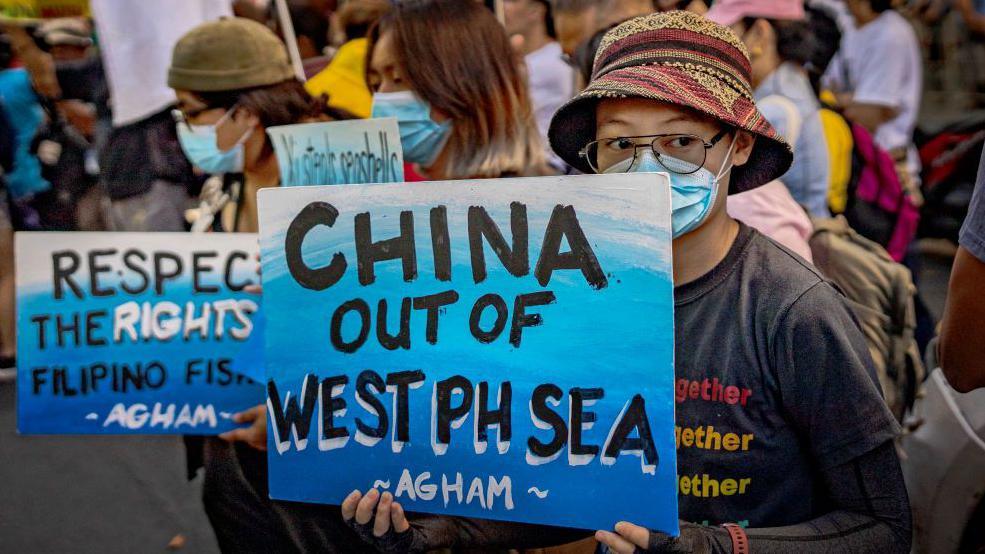
The Philippines lodged a formal protest, stating that the video went beyond legitimate political debate, resorting to “demeaning, dehumanizing, and racist depictions of Filipinos.” In response, China's Foreign Ministry spokesperson dismissed the video as not representing the official position, reiterating that the South China Sea arbitration is “a political farce disguised as a legal proceeding.” The incident has heightened tensions between the two nations, already strained by aggressive maneuvers in the contested waters.
The Philippines commemorated the anniversary of the July 12, 2016 ruling as a landmark victory of the rule of law against aggression, with support from the United States and other nations reaffirming the ruling.
“The 10 July video shows a monkey in Filipino attire directed by hands labeled 'USA' and 'Japan', then hurled into the sea and hit by a water cannon. China's Foreign Ministry distanced itself, stating the video does not represent its official position, while reaffirming rejection of the 2016 arbitral award.”
 The Guardian
 The Independent



