
- Perry Warjiyo's resignation as Governor of Bank Indonesia has led to a decline in the rupiah, which slipped to around IDR 17,980 per U.S. dollar.
- Destry Damayanti has been appointed as the acting chief of Bank Indonesia following Warjiyo's resignation.
- Analysts have expressed concerns that Warjiyo's resignation could unsettle investors who are already worried about fiscal risks and central bank autonomy.
- Warjiyo, who began his second five-year term in 2023, faced mounting pressure to align policy with the government's growth agenda as the rupiah hit record lows in June.
- The immediate handover of the leadership role to Damayanti is expected to ensure policy continuity at Bank Indonesia.
- Radhika Rao, a senior economist at DBS Bank, noted that Warjiyo played a pivotal role in managing the Indonesian economy through various challenges, including the COVID-19 pandemic.
- Angus Mackintosh, an ASEAN specialist, stated that Warjiyo’s resignation will likely be viewed negatively by the market due to his steady leadership.
- Damayanti, born in 1963, was made senior deputy governor in 2019 and reappointed to that role in 2024.
- Investors are familiar with a policymaker who has overseen monetary operations, financial markets and payment systems, and been a key voice on monetary policy and the rupiah.
Perry Warjiyo's resignation as Governor of Bank Indonesia has triggered a significant decline in the rupiah, which fell to IDR 17,980 per U.S. dollar. This unexpected move, accepted by President Prabowo, has raised alarms among analysts regarding potential investor unrest.19
Warjiyo, who began his second five-year term in 2023, faced increasing pressure to align monetary policy with the government's growth agenda, especially as the rupiah hit record lows in June. His departure, cited as due to personal reasons by Senior Deputy Governor Destry Damayanti, has left investors concerned about the future direction of fiscal policy and central bank independence.248
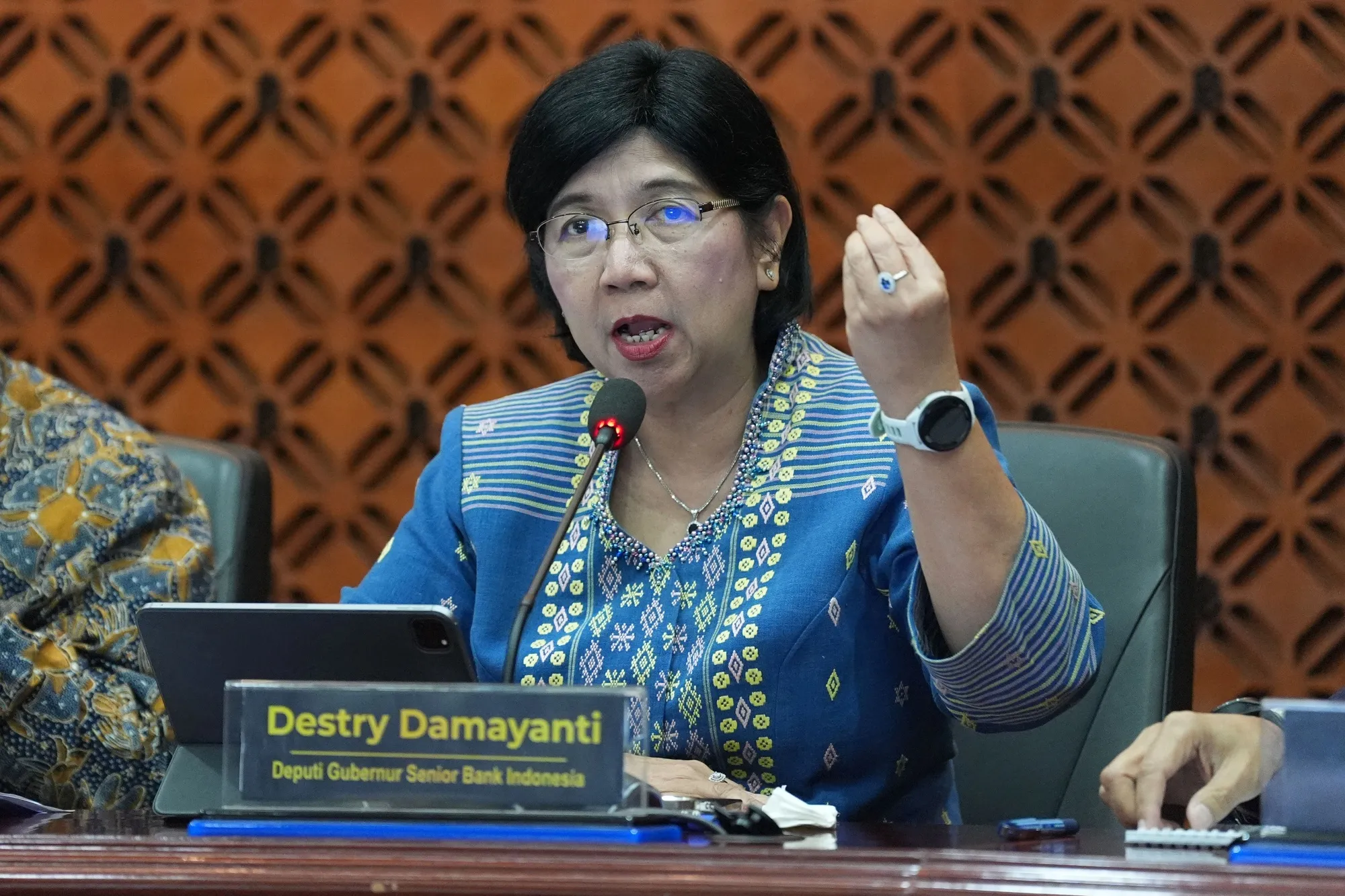
Destry Damayanti, appointed as interim governor, is a trained economist with extensive experience in monetary policy, which may help to reassure investors. Analysts noted that her familiarity with monetary operations and financial markets could provide some stability during this transition. However, the sudden nature of Warjiyo's exit has led to fears that it could unsettle the market further.
“The immediate handover of the leadership role will ensure policy continuity,” said a market analyst, emphasizing the importance of a smooth transition in maintaining investor confidence. Nonetheless, the market's reaction suggests that Warjiyo's steady leadership will be missed, as he was seen as a reliable figure during challenging economic times, including the COVID-19 pandemic and recent geopolitical crises.5
As the situation develops, investors will be closely monitoring the actions of the new interim governor and the broader implications for Indonesia's economic stability.
“The Indonesian rupiah fell to around IDR 17,980 per U.S. dollar following Warjiyo's resignation, which President Prabowo accepted. Analysts caution that this leadership change could unsettle investors already worried about fiscal risks and central bank autonomy.”
 TradingView



