- Mere agitation can't justify lathi-charge: CJI Surya Kant emphasized this during the Supreme Court's review of police conduct in response to the July 20 protests.
- Supreme Court questioned alleged police excesses during the July 20 student protests in Delhi, stressing the need for a uniform national protocol to regulate police response to public demonstrations.
- The petitions seek directions to regulate police conduct during public protests, including a ban on the deployment of plainclothes personnel and an independent probe into police action during the July 20 protest.
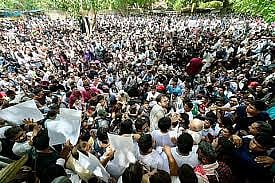
- One petition alleges that the July 20 protest was met with extensive police deployment, barricading, tear gas, baton charges, and large-scale detentions.
The Supreme Court has addressed police conduct during the July 20 protests in Delhi, asserting that the right to peaceful protest is constitutionally protected. Chief Justice Surya Kant stated, "Right to peaceful, lawful protest absolutely guaranteed under Constitution. So long as it is peaceful agitation, merely because there is agitation, there can't be [excess]."
The court highlighted the need for a uniform national protocol to regulate police responses to public demonstrations, questioning the alleged police excesses that occurred during the protests. The petitions filed seek comprehensive directions to govern police conduct, including a ban on plainclothes personnel for crowd control and guidelines for the use of force under Section 163 of the Bharatiya Nagarik Suraksha Sanhita (BNSS).2
Allegations from the protests include extensive police deployment, barricading, tear gas, baton charges, and large-scale detentions, with reports indicating that at least 60 protesters were injured. The petitions also claim physical assaults and gender-based misconduct against female protesters, demanding an independent investigation into the police actions during the protests.4
The court's remarks underscore the importance of protecting fundamental rights under Articles 14, 19, and 21 of the Constitution, reinforcing that police actions must be scrutinized to ensure accountability and adherence to constitutional protections.
“The Supreme Court emphasized the need for a uniform national protocol to regulate police response to public demonstrations, highlighting the constitutional protection of peaceful protests. Additionally, petitions filed seek to ban plainclothes personnel in crowd control and call for an independent investigation into police actions during the July 20 protest.”