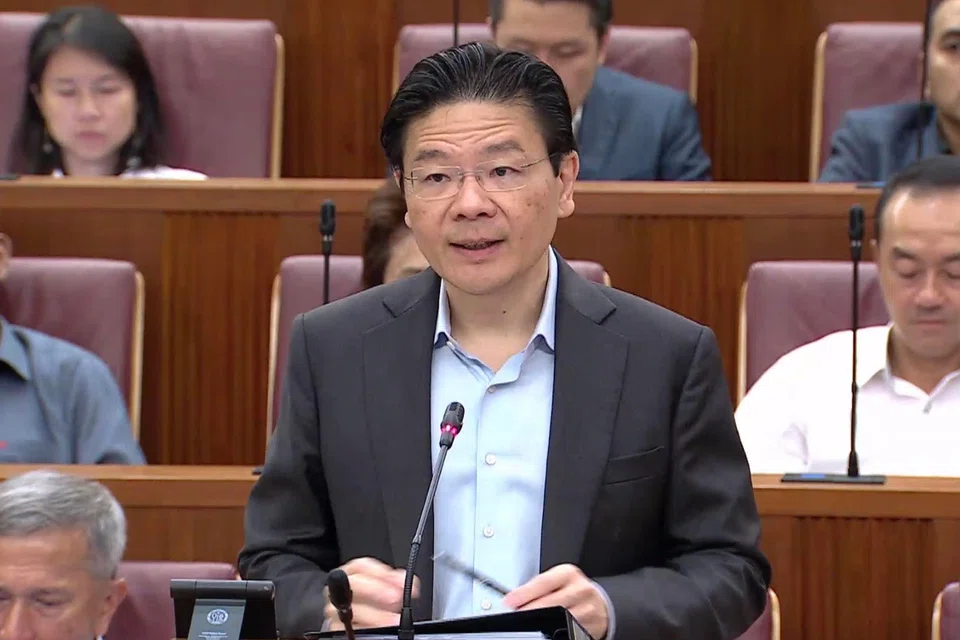
- Law passed to lower en bloc thresholds aims to facilitate property sales.
- MPs have raised concerns over the shortened timeline for signature collection, stating it may be insufficient.
- Law Minister Edwin Tong noted feedback about owners being pressured on social media to sign.
- Data shows that most signatures are gathered in the first four months for larger developments.
Members of Parliament raised significant concerns on Tuesday regarding a new law that reduces the signature collection period for collective sales from 12 months to just six. This change, part of a broader legislative effort, also lowers the required agreement thresholds for collective sales from 80% to 70% for estates aged 40 to 59 years, and to 65% for those aged 60 and above.
The Ministry of Law stated that the shortened timeline aims to alleviate the “prolonged pressure” on homeowners reluctant to sell. However, Law Minister Edwin Tong acknowledged feedback about owners facing social media pressure to sign agreements, raising concerns about potential coercion.3
Industry experts have voiced that a six-month period is “too short”, particularly for larger projects, where gathering signatures can be more complex. Despite these concerns, data presented by Tong indicated that in developments with over 100 units, most signatures are typically collected within the first four months.
The new law also stipulates that if a collective sale bid fails, owners must wait three years before reattempting, an increase from the previous two-year wait. Additionally, the cap on compensation for en bloc objectors will double, aiming to provide better protection against coercive tactics. The law maintains a five-day cooling-off period for owners who sign collective sale agreements, ensuring their consent is informed and genuine.
As the legislation progresses, the balance between facilitating collective sales and protecting individual homeowners remains a contentious issue in Parliament.
“The Ministry of Law said halving the timeline aims to ease "prolonged pressure" on owners who do not want to sell, citing feedback about non-signers being named on social media. Industry players call six months "too short" for bigger projects, but Edwin Tong cited data showing most signatures come within four months.”