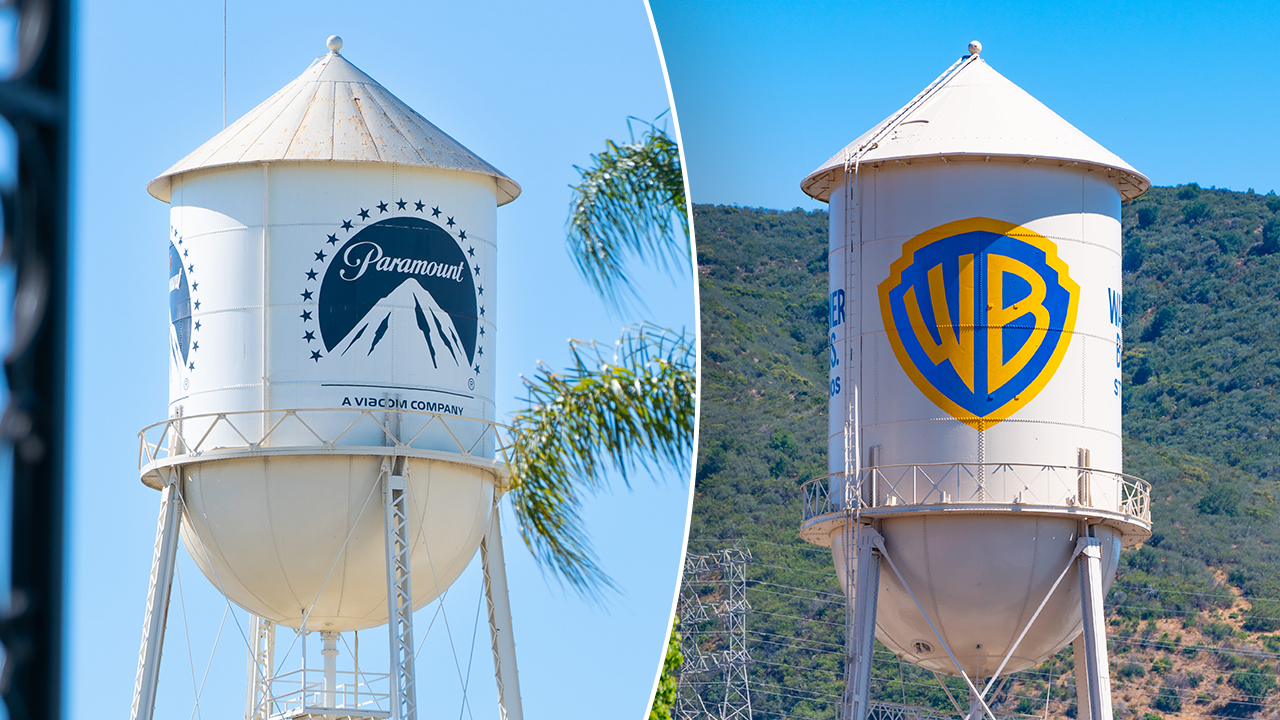
- Paramount agreed in February to acquire Warner Bros. Discovery for $31 per share, valuing the deal at roughly $110 billion.
- In July, California AG Bonta led a coalition of 12 states in filing a lawsuit to block the merger, alleging reduced competition in distribution and basic cable programming.
- A court stipulation on July 24 put the transaction on hold, preventing closing until five days after a ruling on the merits or June 1, 2027.
- In an Aug. 4 scheduling order, the judge encouraged parties to identify magistrate judges for a settlement conference.
- Bonta signaled openness to a resolution in a CNBC interview Thursday, but required 'robust structural remedies.'
- Representatives for Paramount and Bonta's office are expected to meet Monday to discuss a potential settlement.
- The states argue the merger would combine two of Hollywood's five major film distributors and give the combined company roughly 27% of the wide-release theatrical film market.
- They also allege it would control more than 30% of anticipated top-grossing theatrical films and about 27% of the market for licensing basic cable channels.
- The companies have said the combination would create a stronger global media competitor while maintaining both film studios and producing at least 30 theatrical films annually.
- Bonta's office has questioned whether such behavioral commitments can be effectively enforced over time.
- The dispute highlights a central issue in modern merger enforcement: whether commitments about a company's future conduct can adequately protect competition or whether regulators should demand divestitures or other changes to the structure of a transaction.
- Support for negotiations has broadened within California's entertainment industry, with various groups urging movement toward a settlement.
- California Gov. Gavin Newsom pointed to growing interest in resolving the dispute outside court, stating that the process of determining whether an acceptable agreement can be reached was actively underway.
- Any agreement may have to address another legal challenge, as the Writers Guild of America has separately sued over the transaction.
California Attorney General Rob Bonta is scheduled to meet with representatives from Paramount on Monday to explore a potential settlement regarding the $110 billion merger with Warner Bros. Discovery. This meeting comes as the merger faces a March 2027 antitrust trial unless a resolution is reached sooner.156
Bonta leads a coalition of 12 state attorneys general who filed a lawsuit in July, arguing that the merger would significantly reduce competition in theatrical movie distribution and basic cable programming. The states contend that the merger would combine two of Hollywood's five major film distributors, giving the new entity approximately 27% of the wide-release theatrical film market and controlling over 30% of anticipated top-grossing films.2
In a recent interview, Bonta expressed a willingness to negotiate but emphasized that any settlement must include robust structural remedies. He stated, "We do prefer to resolve cases in the boardroom instead of the courtroom," while maintaining focus on the markets outlined in their complaint.

Paramount has proposed commitments to release 30 films annually for three years, ensuring theatrical runs of at least 45 days before making them available elsewhere. However, Bonta has indicated that these proposals do not sufficiently address the states' objections.
Support for negotiations has grown within California's entertainment industry, with endorsements from the Directors Guild of America, Los Angeles Mayor Karen Bass, and others urging a settlement. California Governor Gavin Newsom noted that discussions are actively underway to determine if an acceptable agreement can be reached.13
“The talks come as the transaction remains on hold under a court agreement, with a 12-day antitrust trial set for March 2, 2027. Bonta's coalition of 12 states alleges the merger would give the combined company roughly 27% of the wide-release theatrical film market and over 30% of anticipated top-grossing films.”
 Fox Business
 PYMNTS.com