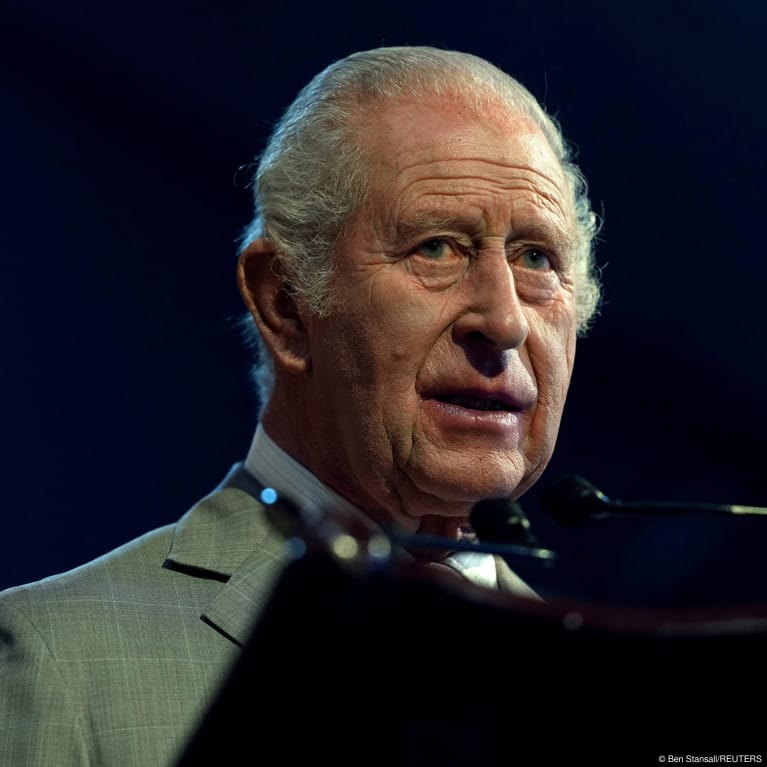
- The King is scheduled to deliver a speech on Tuesday expected to recognize the painful legacy of slavery.
- Buckingham Palace clarifies that the King's role as head of the Commonwealth is about "inspiring and convening, rather than policy making", distancing him from slavery apology rows.
- Prime Minister Burnham said the UK "must face up to the past" over the "brutal and barbaric violation" of the slave trade, and was "open" to a formal apology.
- His spokesperson later clarified that this was "distinct from a formal apology".
- The Palace describes the King's role as a unifying figure, with the Commonwealth described as a "family" of nations, and says his "most significant contribution" is connecting leaders and institutions.
- The Palace states the King's contribution relates to "shared areas of interest and concern", creating conditions for "ambitious Commonwealth-led initiatives" to succeed.

Buckingham Palace has emphasized that the King's role is primarily about inspiring unity within the Commonwealth, distancing him from the ongoing debate regarding a formal UK apology for its involvement in the Atlantic slave trade. The Palace stated that the King is a figure who inspires and convenes rather than engages in policy-making.1256
In a recent statement, Prime Minister Burnham acknowledged the need for the UK to confront its past, describing the slave trade as a "brutal and barbaric violation". He expressed his openness to the possibility of a formal apology, highlighting the importance of addressing historical injustices.3
However, Burnham's spokesperson clarified that while he has expressed sorrow for the pain caused by the transatlantic slave trade, this sentiment is "distinct from a formal apology". The spokesperson emphasized that any apology should be informed by the perspectives of those most affected by the historical events.4

Foreign Secretary Ed Miliband also weighed in, stating that the UK is "self-confident enough to have this conversation". He mentioned that the ongoing dialogue aims to explore whether a formal apology could aid in acknowledging history and healing divisions within society.
In contrast, Conservative Party leader Kemi Badenoch dismissed the focus on apologies as a "distraction" from pressing national issues, suggesting that the conversation should shift towards actionable solutions.
The Palace reiterated that the King's most significant contributions lie in fostering connections among leaders and institutions, creating conditions for successful Commonwealth initiatives.
“Buckingham Palace stresses the King's 'most significant contribution' is connecting leaders and institutions, while Foreign Secretary Ed Miliband says the UK is 'self-confident enough to have this conversation'. The prime minister's spokesperson said an apology 'should be informed by the people and countries most affected'.”
BBC