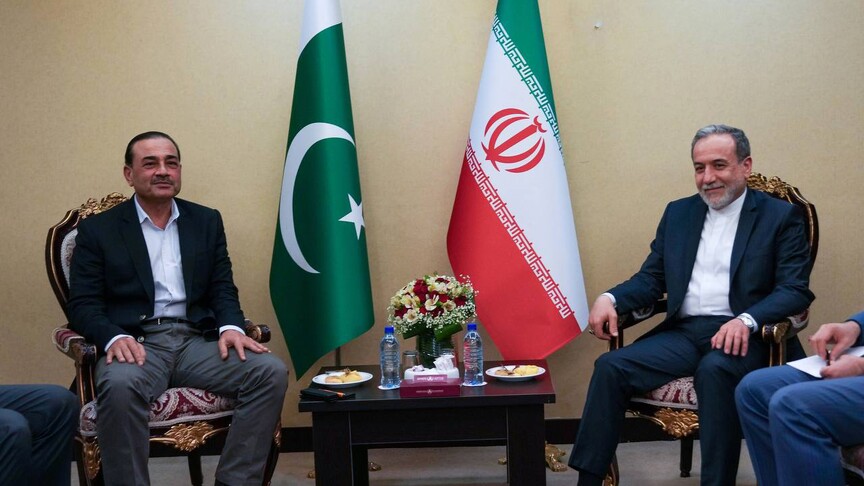
- Pakistan's army chief Asim Munir will visit Tehran on Monday, according to Iran's foreign ministry spokesperson Esmaeil Baghaei.
- The visit is part of Pakistan's efforts to strengthen peace and security in the region.
- Pakistan has taken on the mediator role in negotiations between Iran and the U.S. aimed at ending their war.
- Munir and Iranian Foreign Minister Abbas Araghchi discussed regional security challenges and strategies for reinforcing stability in a recent contact.
- The latest contact comes amid a renewed push by mediators to bring the two warring sides to the table following the expiration of a 60-day deadline for a final agreement.
- The US and Iran signed a memorandum of understanding on June 17, initiating negotiations toward a final agreement.
- However, the talks stalled over disagreements on security guarantees and freedom of navigation through the Strait of Hormuz.
- Between July 8 and July 24, the US and Iran exchanged military strikes, escalating tensions in the region.
Pakistan's army chief, Field Marshal Asim Munir, is visiting Tehran on Monday as part of ongoing efforts to mediate between Iran and the U.S. in their stalled negotiations aimed at ending the war.
The visit follows a recent phone call between Munir and Iranian Foreign Minister Abbas Araghchi, where they discussed regional security challenges and strategies to enhance stability in West Asia.4
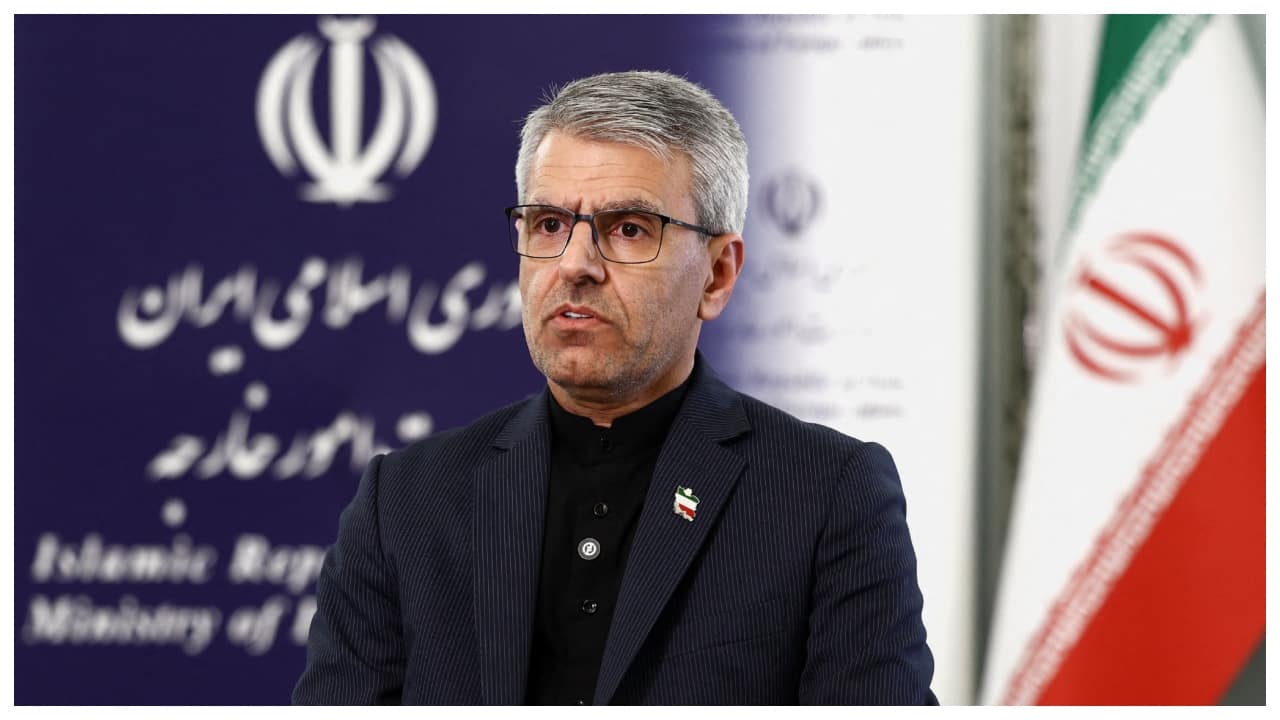
According to Iran's foreign ministry spokesperson, Esmaeil Baghaei, this visit is part of Pakistan's commitment to strengthening peace and security in the region.
Pakistan has played a crucial role as a mediator throughout the conflict, maintaining close contact with both Iran and the U.S.
The U.S. and Iran had previously signed a memorandum of understanding on June 17, initiating negotiations for a final agreement. However, these talks have stalled due to disagreements over security guarantees and freedom of navigation through the strategic Strait of Hormuz.
The situation escalated between July 8 and July 24, when both nations exchanged military strikes, with the U.S. targeting sites in Iran and Iran retaliating against U.S. military facilities in several Arab countries, including Jordan, Bahrain, and Kuwait.
As the deadline for a final agreement has passed, the renewed push by mediators like Pakistan and Qatar aims to bring both sides back to the negotiating table.
“The visit follows a phone call between Munir and Araghchi, who discussed regional security and ways to strengthen stability in West Asia. The talks stalled over disagreements on security guarantees and freedom of navigation through the Strait of Hormuz, a key energy route.”