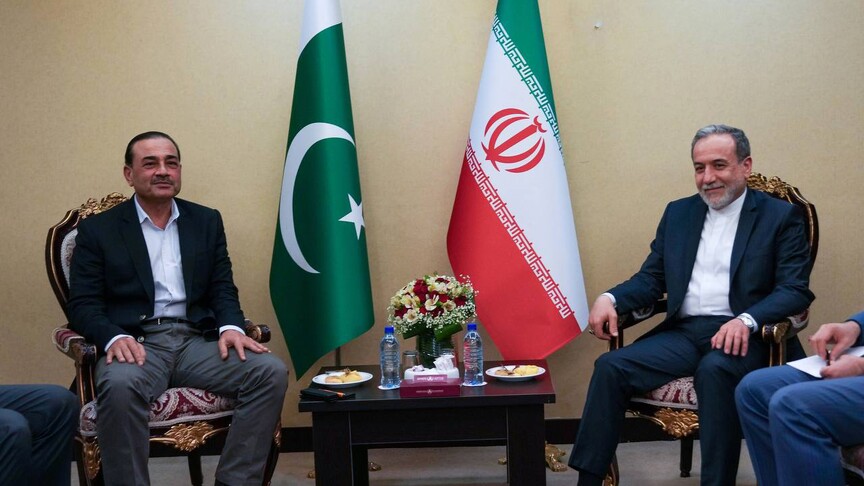
- Pakistan’s Chief of Army Staff and Chief of Defence Forces, Field Marshal, is traveling to Tehran on Monday for talks with senior Iranian officials, Iran’s Foreign Ministry announced on Sunday.
- It will be Munir’s third visit to Iran this year as Islamabad continues its efforts to end the United States and Israel’s war on Iran.
- The visit follows two phone calls between Munir and Iranian Foreign Minister Abbas Araghchi within four days, on Wednesday and Saturday.
- His latest visit comes as the Islamabad MoU has all but stalled, while Washington prepares a new round of sanctions.
- Munir’s first visit to Tehran this year came in April, days after the first direct US-Iran negotiations in more than four decades ended.
- He returned in May, arriving hours after US Secretary of State Marco Rubio said there had been progress in talks between Washington and Tehran.
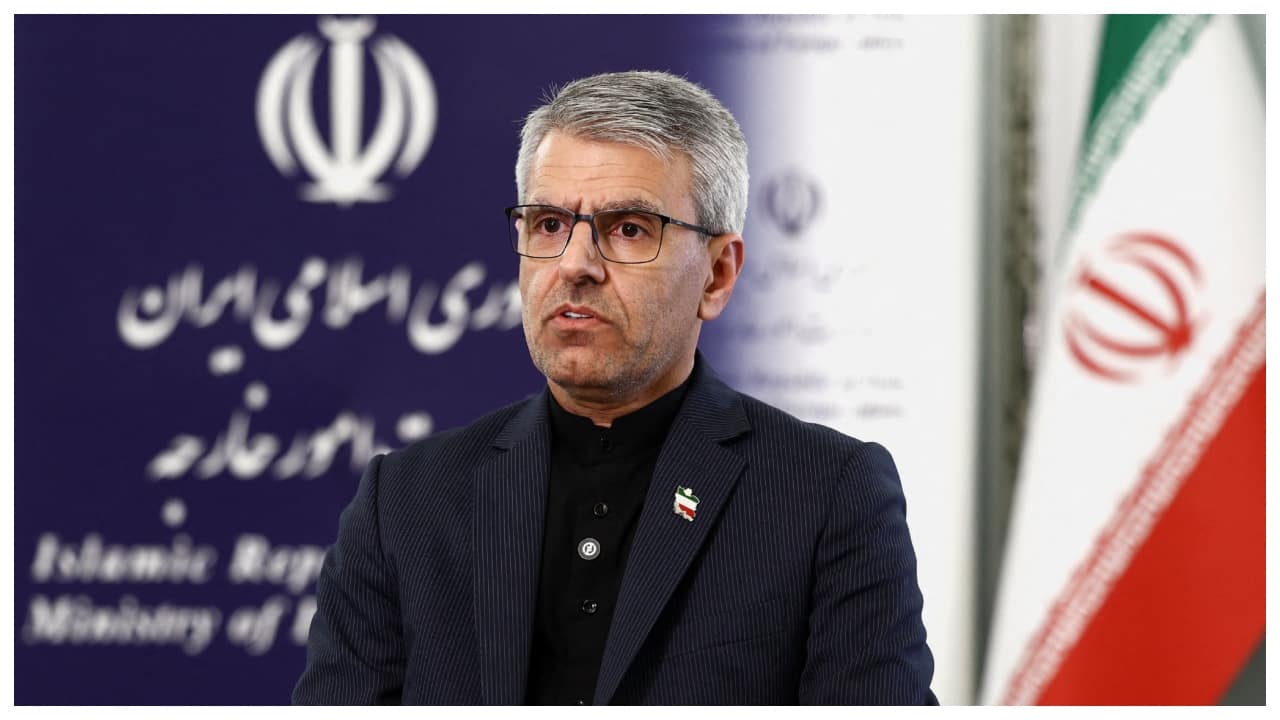
- Foreign Ministry spokesperson Esmaeil Baghaei said the trip would build on Pakistan’s efforts to “help strengthen peace and security in the region.”
- The two officials discussed regional developments and ways to strengthen “peace, stability and security” in West Asia, according to Iranian state media.
Pakistan's Chief of Army Staff, Munir, is set to visit Tehran for the third time this year, as Islamabad seeks to navigate the complexities of US-Iran relations. The trip, announced by Iran's Foreign Ministry, aims to enhance regional peace and security amidst ongoing tensions.
The visit follows two recent phone calls between Munir and Iranian Foreign Minister Abbas Araghchi, where they discussed regional developments and strategies to bolster peace, stability, and security in West Asia. This diplomatic engagement is crucial as Pakistan attempts to mediate amidst the backdrop of US sanctions and military posturing.8
Munir's previous visits to Iran occurred in April and May, coinciding with significant diplomatic events, including the first direct US-Iran negotiations in over four decades. His latest trip comes at a time when the Memorandum of Understanding (MoU) between Islamabad and Washington has stalled, raising concerns about the future of US-Pakistan relations.5
As tensions escalate, Munir's discussions in Tehran are expected to focus on strengthening bilateral ties and addressing the implications of US policies in the region. The Pakistani military's role in fostering dialogue with Iran underscores Islamabad's commitment to regional stability amidst a challenging geopolitical landscape.
“Munir's visit follows two phone calls with Iranian Foreign Minister Abbas Araghchi within four days, discussing 'regional developments' and 'peace, stability and security' in West Asia. The trip comes as the Islamabad MoU has stalled and Washington prepares a new round of sanctions.”