- Journalist Muhammad Aalijah was invited by technology enthusiast Ehsan Zafar to report on an automated-driving project in Islamabad.
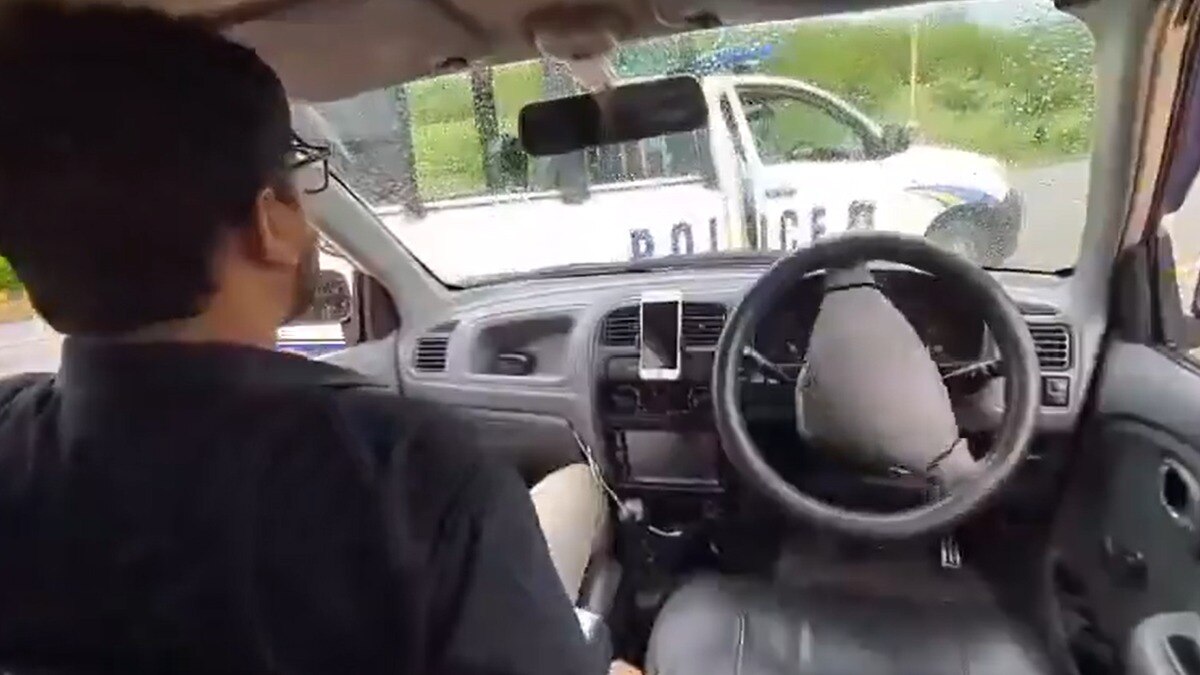
- During the demonstration at D-Chowk, the car was being operated remotely using satellite and internet connections.
- An internet disruption caused a technical fault, making the car go out of control.
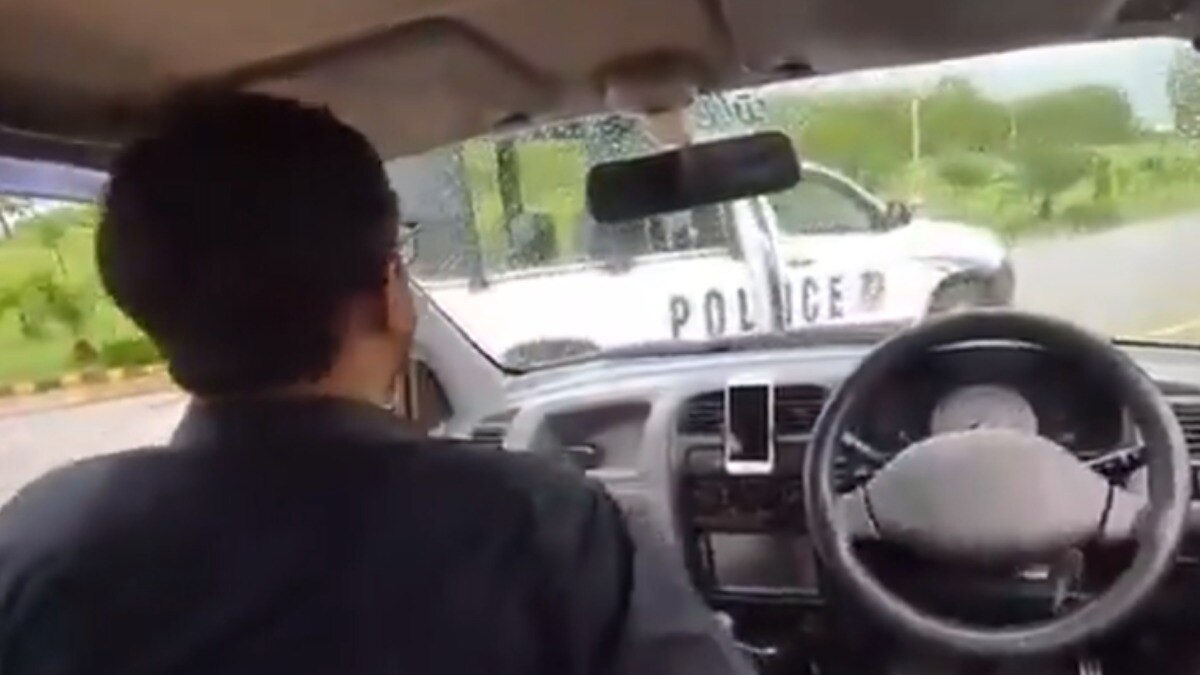
- Aalijah attempted to pull the handbrake but could not prevent the collision with a parked police van.
- The crash caused minor damage and no injuries; footage of the incident went viral on social media, sparking jokes and memes.
- Aalijah explained that the vehicle was not operating as a fully autonomous car; it was being controlled remotely through an internet connection.
- He warned that while the incident occurred in a high-security area with little traffic, a similar failure on a busy road could have extremely dangerous, even fatal consequences.
- Aalijah's intention was to raise awareness about the safety risks associated with testing experimental systems in public.
A Pakistani journalist, Muhammad Aalijah, filmed a demonstration of a homemade driverless car in Islamabad's D-Chowk when it crashed into a police van. The vehicle was remotely controlled via satellite and internet, but a disruption caused it to lose control.2
Aalijah, who was documenting the project by technology enthusiast Ehsan Zafar, stated, “Everything was fine until a technical fault occurred due to an internet disruption, causing the car to go out of control and crash into a police vehicle.” Fortunately, no injuries were reported, and the crash resulted in minor damage.1356
The incident raised alarms about the safety of such technology, especially in public areas. Aalijah warned that “had the same situation occurred on a busy road, the consequences could have been extremely dangerous, even fatal.” He emphasized that while technological innovation is commendable, it should not compromise human safety.89
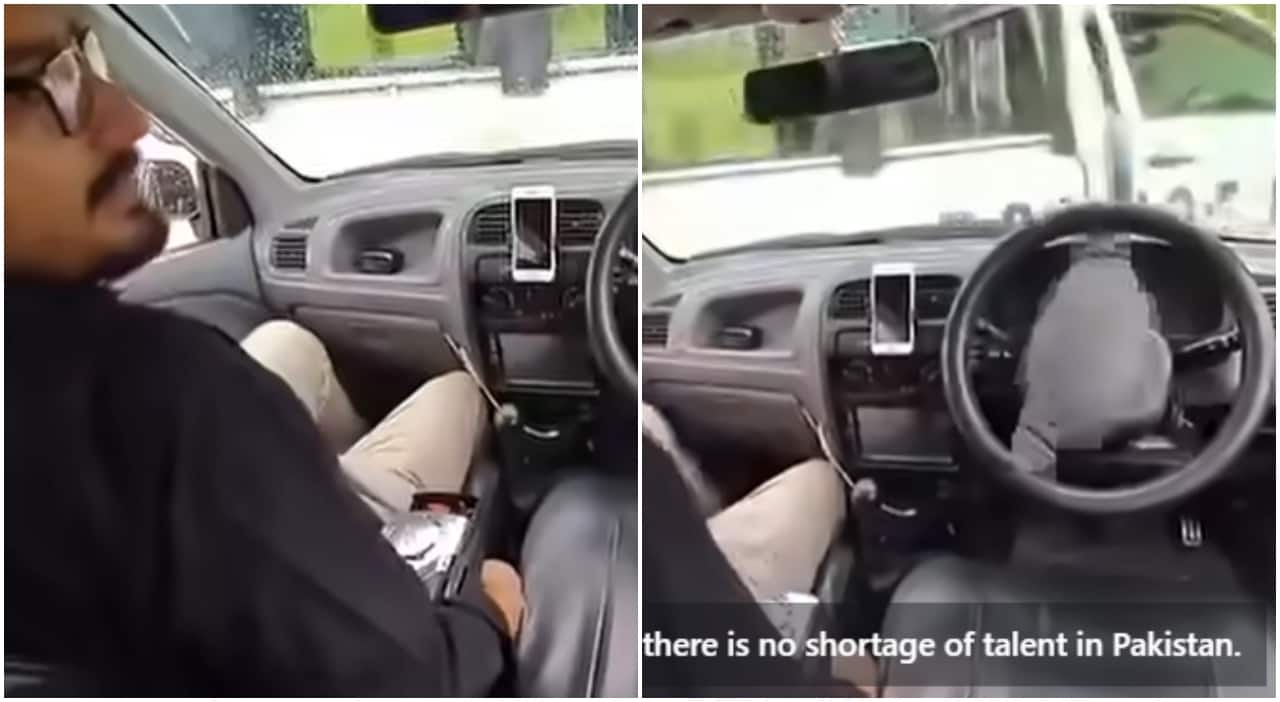
The footage of the crash quickly went viral on social media, with users turning it into memes and jokes. Actor Ranvir Shorey humorously referred to it as “Pakistan's answer to the self-driving Tesla: The Masla.” Aalijah clarified that the vehicle was not fully autonomous but controlled remotely, highlighting the risks of testing experimental systems in public spaces.
The demonstration took place in a high-security area with minimal traffic, which mitigated potential dangers during the incident.
“The car was operated remotely via satellite and internet, with the driver's seat empty. Aalijah warned that a similar failure on a busy road could be 'extremely dangerous, even fatal', and clarified he aimed to raise safety awareness, not ridicule the developer.”