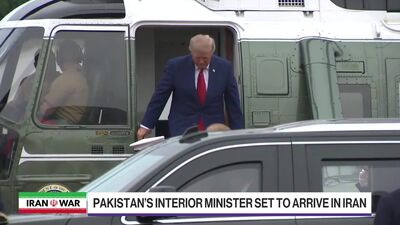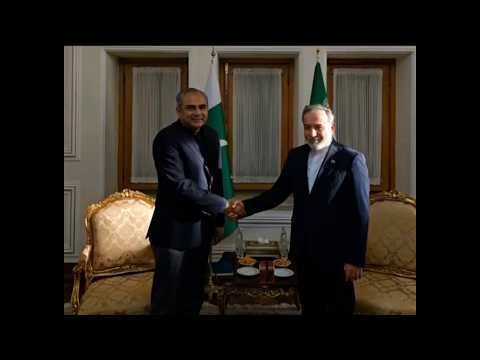
- Pakistan has been mediating the conflict, alongside Qatar, and Pakistani Interior Minister Mohsin Naqvi arrived in Tehran for talks with his Iranian counterpart.
- Iran conveyed additional conditions to Washington through intermediaries, including demands to end the war and unfreeze blocked Iranian assets.
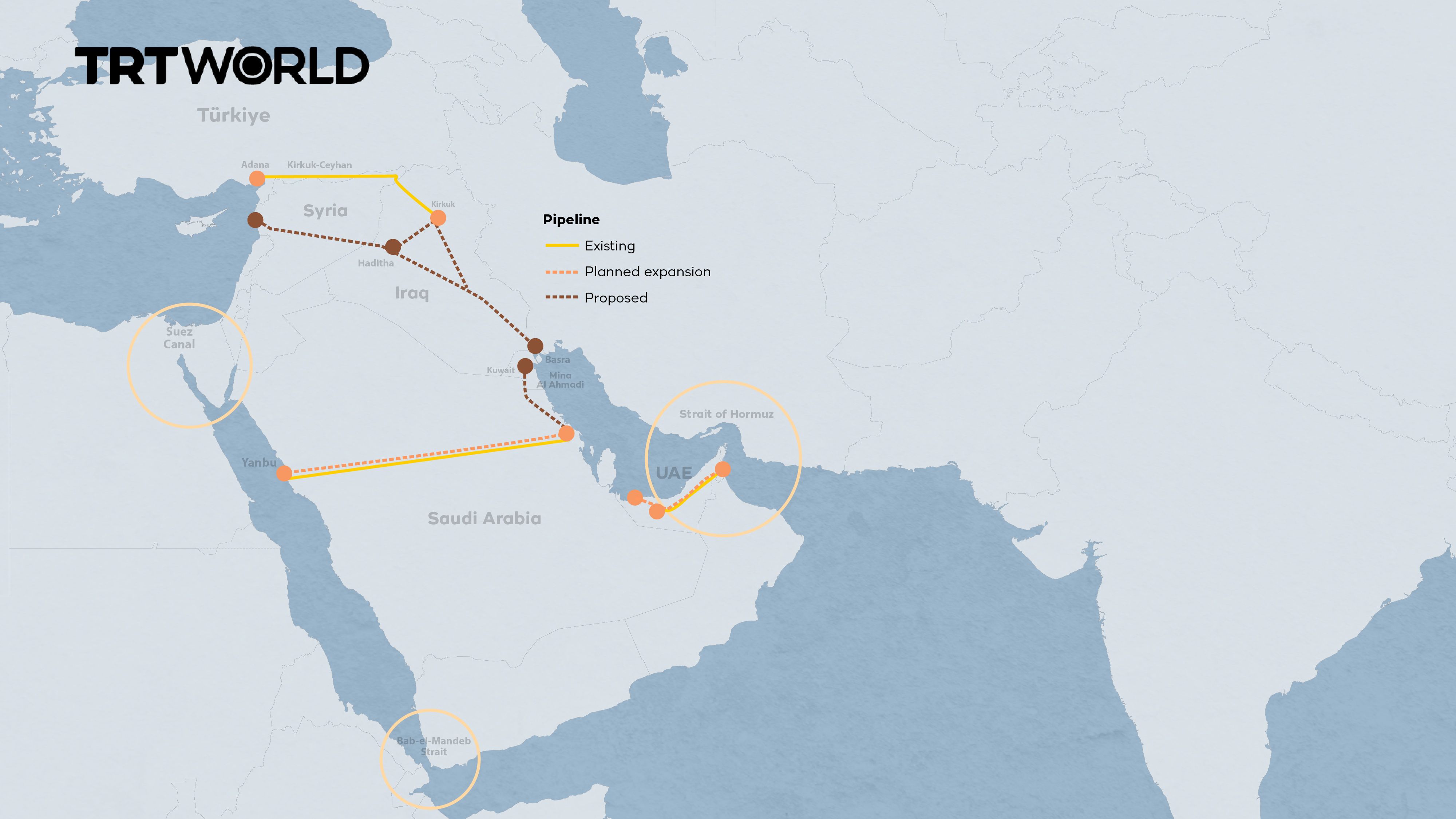
- Talks between Iran and Oman about reopening Hormuz to some maritime shipping have reached an advanced stage.
- In a sign of ongoing tensions, a US Navy helicopter fired missiles at a Panama-flagged cargo ship attempting to run the blockade.
- Oil edged up, with US crude settling near $83 a barrel, as traders assessed the latest developments.
- The back-and-forth appeared to reduce the chance of an immediate pact on the waterway, where around a fifth of the world's oil and liquefied natural gas flowed before the conflict began on February 28.
Pakistan's defense minister Khawaja Asif stated that the US and Iran are "close to some sort of arrangement" regarding the Strait of Hormuz, a critical maritime route for global oil supply. This announcement comes amid ongoing tensions and toughened positions from both sides.1234
Asif noted, "Things are shaping up in favor of peace," although he did not provide specific details on any breakthroughs. Pakistan, alongside Qatar, has been mediating the conflict, with talks between Iran and Oman about reopening Hormuz reportedly reaching an advanced stage, according to a Qatari Foreign Ministry spokesperson.
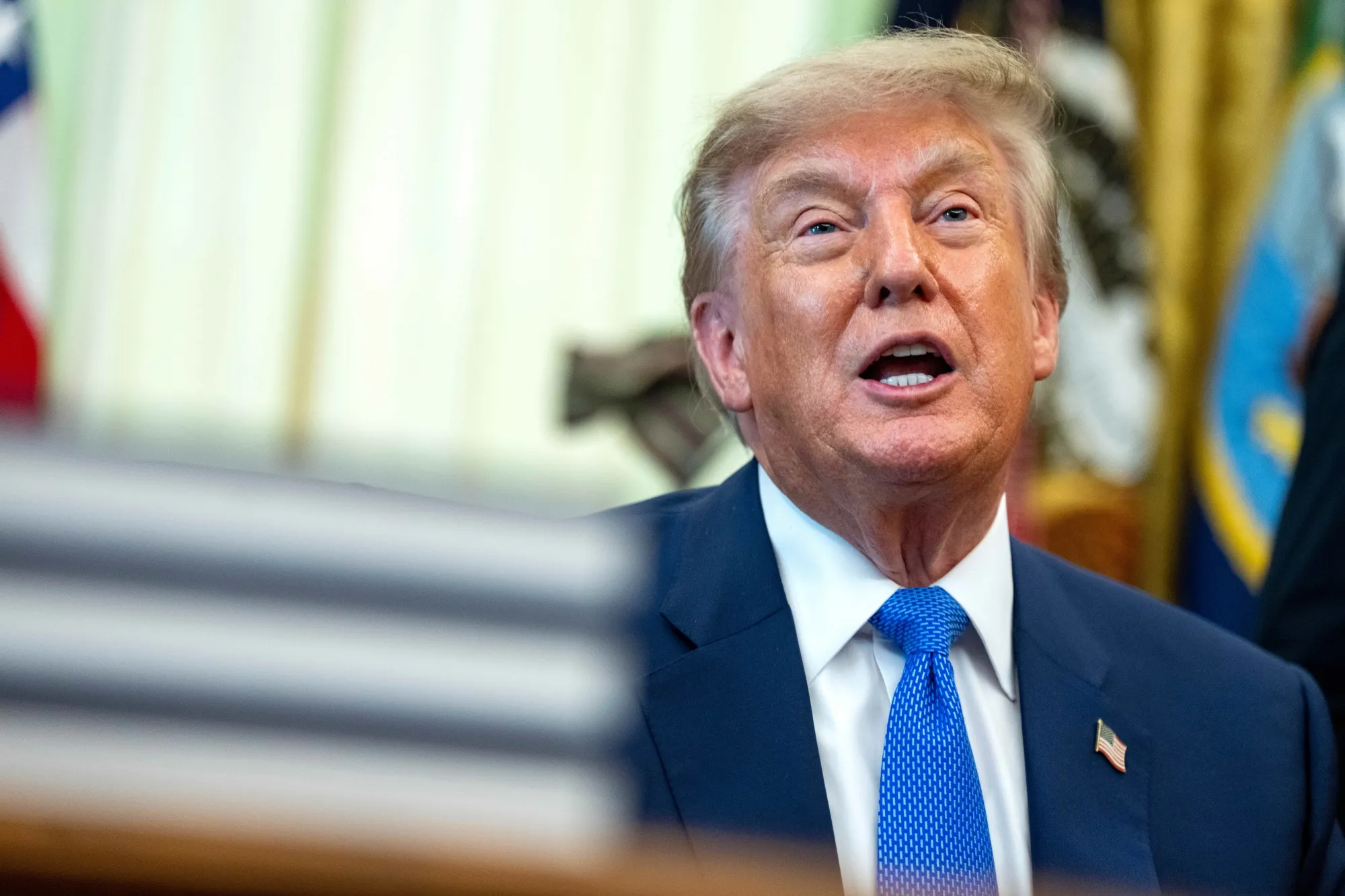
Despite these optimistic assessments, US President Donald Trump has taken a firmer stance, demanding reparations from Iran for past attacks and protests. A White House official indicated that Trump feels he is in a strong negotiating position and is not in a rush to finalize a deal.
Iran has communicated additional conditions to the US, including demands to end the war and unfreeze Iranian assets. Mohsen Rezaee, secretary of Iran's Supreme National Security Council, emphasized that any agreement with Oman regarding the waterway would be separate from the closure of the strait.
In the backdrop of these negotiations, oil prices have risen, with US crude nearing $83 a barrel, as traders react to the evolving situation in the Middle East. The ongoing tensions were highlighted by a recent incident where a US Navy helicopter fired missiles at a cargo ship attempting to breach the American blockade of Iranian ports.56
The situation remains fluid, with the potential for significant implications for global oil supply and regional stability.
“Pakistani Interior Minister Mohsin Naqvi arrived in Tehran for talks, while Iran conveyed additional conditions to Washington through intermediaries. A US Navy helicopter fired at a Panama-flagged ship attempting to run the blockade, and UK navy reported incidents in the Gulf of Oman and off Yemen's Red Sea coast.”