- US partners in the Middle East were frustrated that the Trump administration had launched February’s war against Iran with little apparent thought to the impact on allies, and the war has imposed costs on local economies, including Iranian strikes on civilian infrastructure and the closure of the Strait of Hormuz.
- Regional states have harbored growing doubts about the reliability of the US security partnership for more than a decade, and the US-Israel war on Iran has intensified those concerns and accelerated efforts to diversify security and defence relations, according to Kristian Coates Ulrichsen.
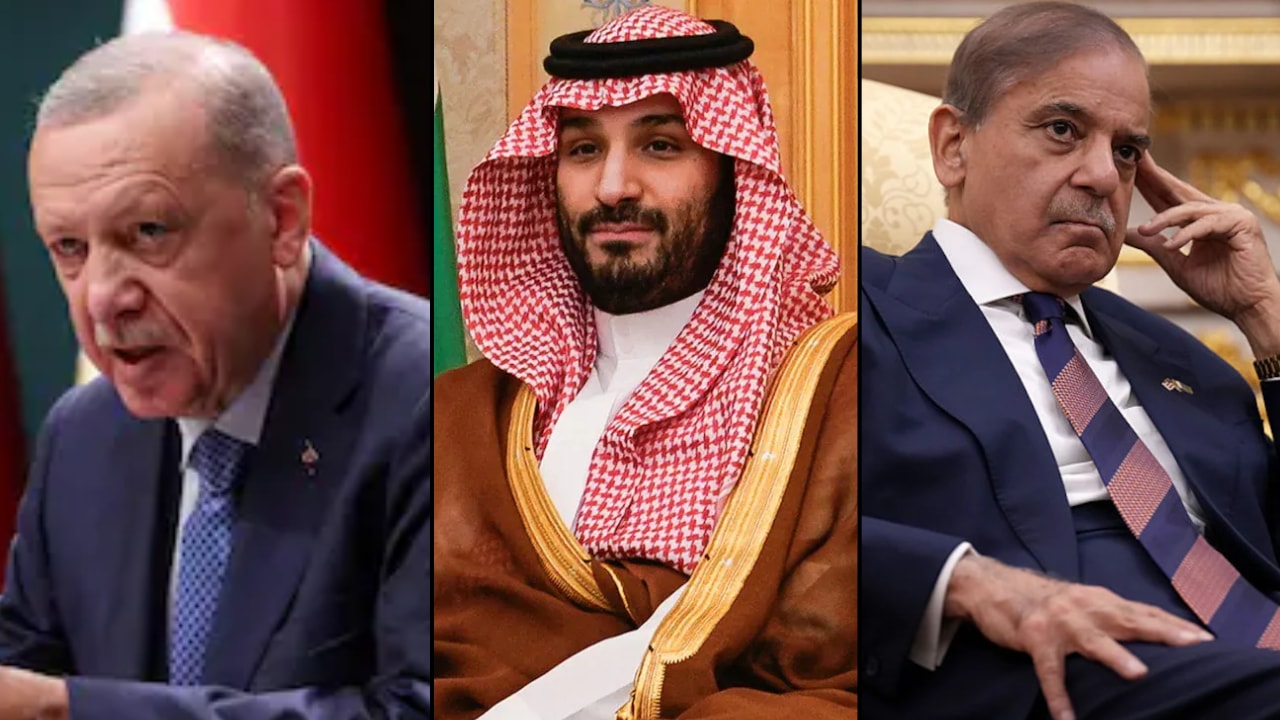
- Turkey, Saudi Arabia, and Pakistan are set to sign a defence pact, seen as one of the first major geopolitical signs that the regional order is being reshaped by the US-Israeli war on Iran, according to Sina Toossi.
- Building new defence pacts is likely not intended to replace or supplant the US, but to provide additional strategic and policy options, according to Ulrichsen.
- Saudi Arabia appears to be broadening its security partnerships and laying the groundwork for more intra-regional security arrangements, rather than relying primarily on Washington, according to Toossi.
A new mutual defence pact among Turkey, Saudi Arabia, and Pakistan, signed in Mecca, reflects a significant shift in the Middle Eastern geopolitical landscape. The Mecca Joint Defence Agreement aims to enhance collective deterrence against aggression, treating any attack on one as an attack on all three nations.
Analysts suggest that this pact arises from growing doubts about the reliability of US security partnerships, particularly following the US-Israel war on Iran. Kristian Coates Ulrichsen from Rice University noted that regional states have been reassessing their security strategies for over a decade, with the recent conflict intensifying these concerns.45
Sina Toossi from the Center for International Policy emphasized that the significance of this agreement lies not in forming a formal military alliance but in how it indicates a reassessment of security among regional states. He stated, “Rather than relying primarily on Washington, Saudi Arabia appears to be broadening its security partnerships”, suggesting a shift towards more intra-regional security arrangements.67910
The pact is seen as a response to frustrations among US partners regarding the Trump administration's handling of the war against Iran, which lacked consideration for its impact on allies. As Iran continues to target civilian infrastructure and disrupt key energy conduits, the need for regional cooperation becomes increasingly critical.123
“Analysts say the pact is less about a formal military alliance than a signal of regional reassessment, with Saudi Arabia broadening partnerships beyond Washington. The war has already imposed costs, including Iranian strikes on civilian infrastructure and closure of the Strait of Hormuz, a key energy conduit.”