- Pakistan's Ministry of Information and Broadcasting criticized Al Jazeera for its 'selective reporting' and 'misrepresenting' the AJK elections, stating that the channel used 'carefully chosen timings' and 'scripted statements'.
- Islamabad has blocked Al Jazeera's broadcast following its reports on anti-government protests and election-related unrest in Pakistan-occupied Kashmir (PoK).
- On Tuesday, the Ministry of Information and Broadcasting (MOIB) introduced the Foreign Media Facilitation Guidelines 2026, requiring all foreign media personnel to get a no-objection certificate (NOC) for travel outside Islamabad, Lahore and Karachi.
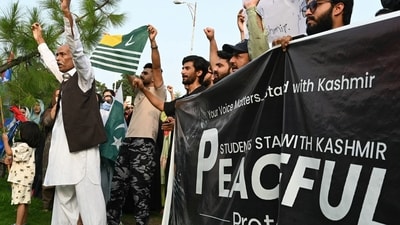
- Pakistan's new media rules come amid widespread protests in Pakistan-occupied Kashmir (PoK) and heightened scrutiny over media access after reports of disruptions and alleged use of force during local elections.
- Critics question whether the new foreign media rules are meant to silence the press amid the ongoing protests in PoK.
- The new media rules require foreign journalists to obtain a No Objection Certificate (NOC) before travelling for news coverage, which applies to Pakistani journalists residing abroad as well.
- Journalists associated with foreign media must register online with the EP wing and receive QR-based PVC accreditation cards, which may take four to six weeks to issue.
- Civil society organisations, including Amnesty International and Committee to Protect Journalists (CPJ Asia), expressed concern over restrictions on journalists and called for an independent investigation into reported excessive force in Rawalakot.
- Authorities can reject or seek more information at any stage, and journalists can lose accreditation for acting against Pakistan’s ideology, sovereignty, security, or public order.
Pakistan's Ministry of Information and Broadcasting has implemented stringent new guidelines for foreign journalists, mandating a No Objection Certificate (NOC) for reporting outside major cities like Islamabad, Lahore, and Karachi.127
These regulations come in the wake of Al Jazeera's broadcast ban, which occurred shortly after the network reported on protests and unrest in Pakistan-occupied Kashmir (PoK).
According to the new rules, all foreign media personnel must secure a mandatory NOC before traveling for news coverage. The guidelines apply to international print, electronic, and digital media organizations, as well as Pakistani journalists contributing to foreign media.
The Pakistani government claims these measures aim to streamline registration procedures, but critics argue they are a tactic to suppress dissent and control media narratives.
“These new rules will only help the machinery to curb the media from reporting on the state-led suppression in PoK,” said a media rights activist.
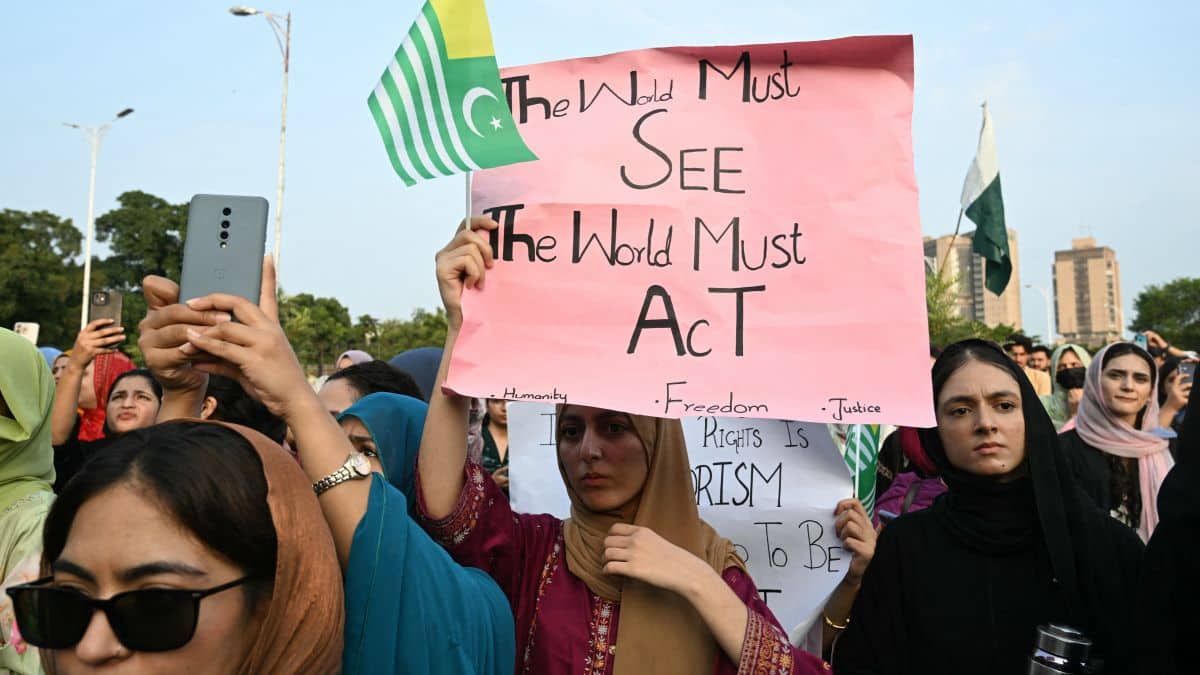
The timing of the regulations has raised eyebrows, especially as they coincide with heightened scrutiny over media access amid ongoing protests in PoK, where reports of police brutality and excessive force have emerged.
Amnesty International and the Committee to Protect Journalists have condemned the crackdown on press freedom, calling for an independent investigation into the violence against protesters. The situation is exacerbated by communication blackouts, which hinder independent verification of events on the ground.9
“A prompt, independent, and transparent investigation must be ordered into the security forces’ use of force against protesters,” Amnesty stated.
As the Pakistani government tightens its grip on media coverage, the implications for press freedom and human rights in the region remain dire.
“Under the Foreign Media Facilitation Guidelines 2026, journalists must register online with the External Publicity Wing and receive QR-based PVC accreditation cards, which can take four to six weeks to issue. Amnesty International urged a prompt, independent investigation into alleged excessive force by security forces in Rawalakot and called for restoring communications access.”
 Firstpost



