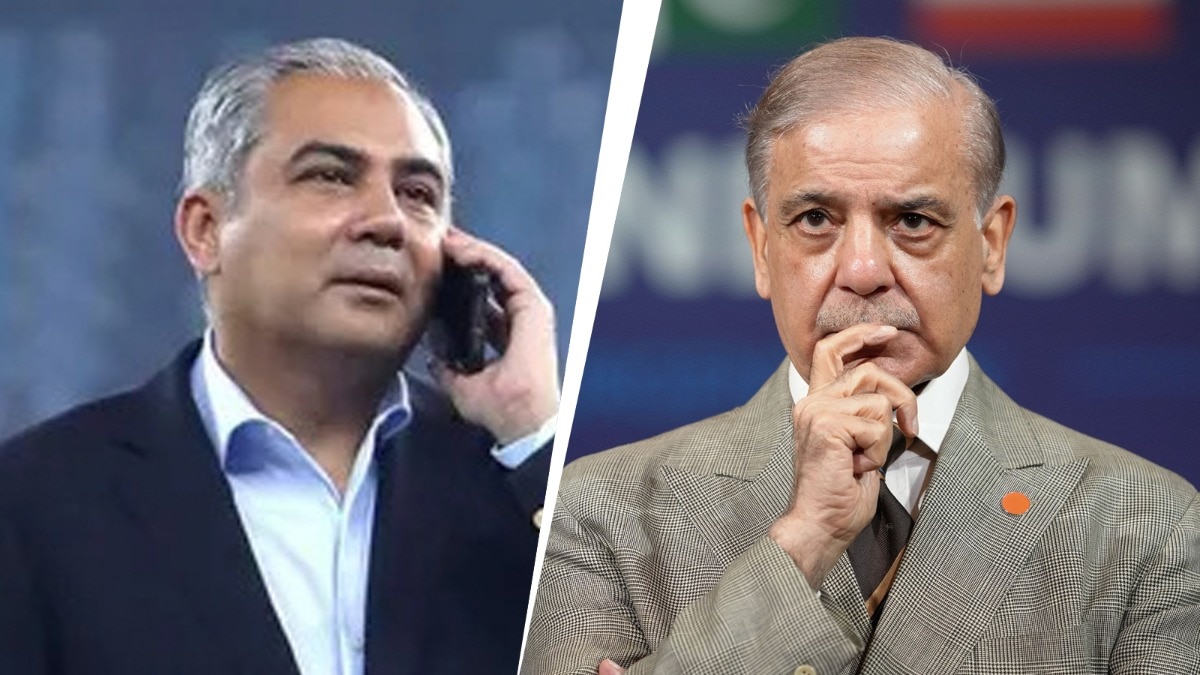
- Interior Minister Mohsin Naqvi stated that Prime Minister Shehbaz Sharif will complete his five-year tenure, despite his remarks about the governance system having "collapsed".
- At the Pakistan Economic Summit, Naqvi declared that the system has collapsed and called for new provinces to handle the crisis.
- Naqvi claimed to have uncovered the 'biggest corruption scandal' in Pakistan's history, involving judges, bureaucrats, and politicians.
- He reiterated that the 'system has been destroyed' but clarified that it is not a 'chargesheet' against the Sharif government.
- Defence Minister Khawaja Asif criticized Naqvi, suggesting he should initiate changes within his own ministry and questioning his attendance at meetings.
- The Pakistan People's Party (PPP) has demanded Naqvi's resignation following his controversial statements.
- Maulana Fazlur Rehman warned against any attempts to sabotage the Constitution, delivering a strong pushback against Naqvi's remarks.
- Historically, no Pakistani prime minister has completed a full five-year term since 1947, raising questions about Naqvi's assertion.
- Naqvi's comments have sparked speculation about the military's intentions regarding the current government and potential changes in leadership.
- There is ongoing speculation about a potential 28th Amendment to the Constitution that could alter the political landscape, including the possibility of military leadership.
- Critics have pointed out that Naqvi's attendance at cabinet meetings has been minimal, raising questions about his commitment and effectiveness.
- Political analysts suggest that Naqvi's statements may be a signal from the military establishment regarding dissatisfaction with the current government.
Pakistan's Interior Minister Mohsin Naqvi has declared that Prime Minister Shehbaz Sharif will complete his five-year term, despite his own admission that the country's governance system has "collapsed." Naqvi stated, "The system that has been in place for the last 80 years is destroyed", emphasizing the need for significant reforms.1
At the recent Pakistan Economic Summit, he suggested creating new provinces to address the ongoing crisis, a move that could face substantial political resistance. "If it had been functioning, Pakistan would have reached new heights," he remarked, indicating the dire state of governance.2
Naqvi's comments have ignited political backlash, particularly from Defence Minister Khawaja Asif, who criticized Naqvi's attendance at cabinet meetings and questioned his authority to make such statements. "He doesn’t even come for Cabinet meetings," Asif stated, highlighting the tensions within the government.511
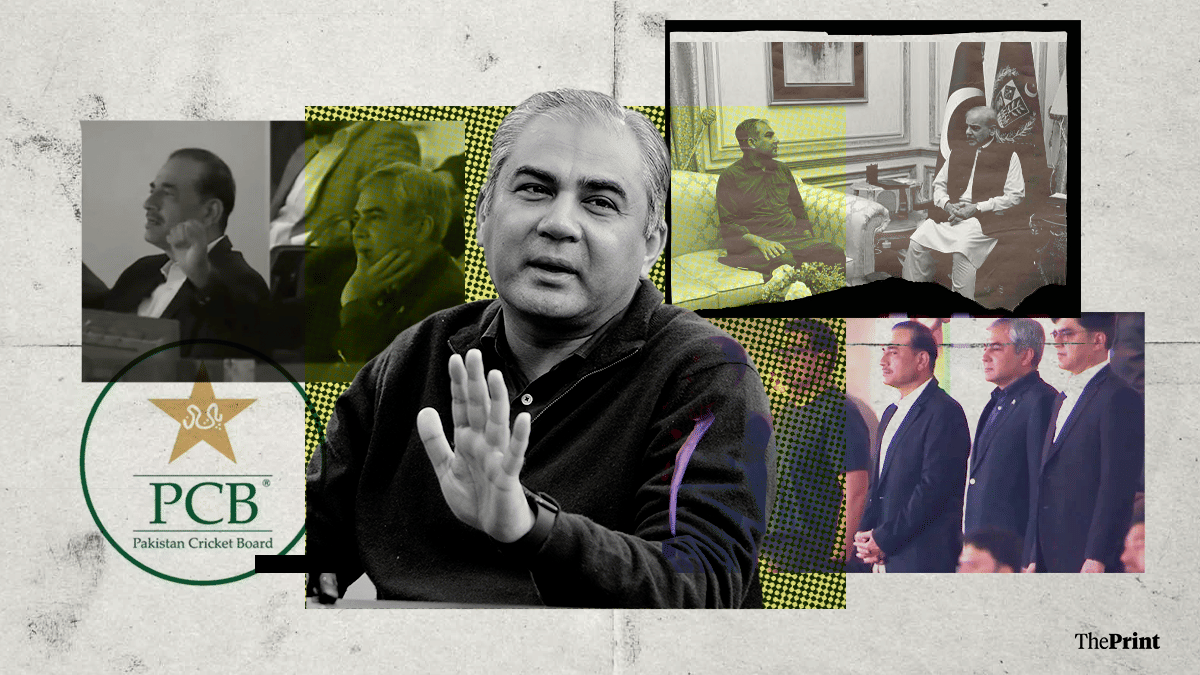
Moreover, the Pakistan People's Party (PPP) has called for Naqvi's resignation, reflecting the growing discontent among political factions. Naqvi's remarks have been interpreted as a warning to the Sharif government, suggesting that the political class must unite to avert further instability.6
As political dynamics shift, Naqvi's assertion that "every person responsible" will be prosecuted for corruption adds another layer of complexity to the already fraught political landscape in Pakistan.
“Naqvi's remarks have drawn sharp rebukes, with defence minister Khawaja Asif questioning his cabinet attendance and PPP demanding his resignation. Maulana Fazlur Rehman warned that sabotaging the Constitution would lead to the army's destruction, reflecting deep political tensions.”




